























Rare Total Solar Eclipse: Scientists Prepare for Cosmic Show
Experience the rare total solar eclipse darkening skies over Spain and Europe. Discover how scientists are using this event to unlock secrets of our Sun.


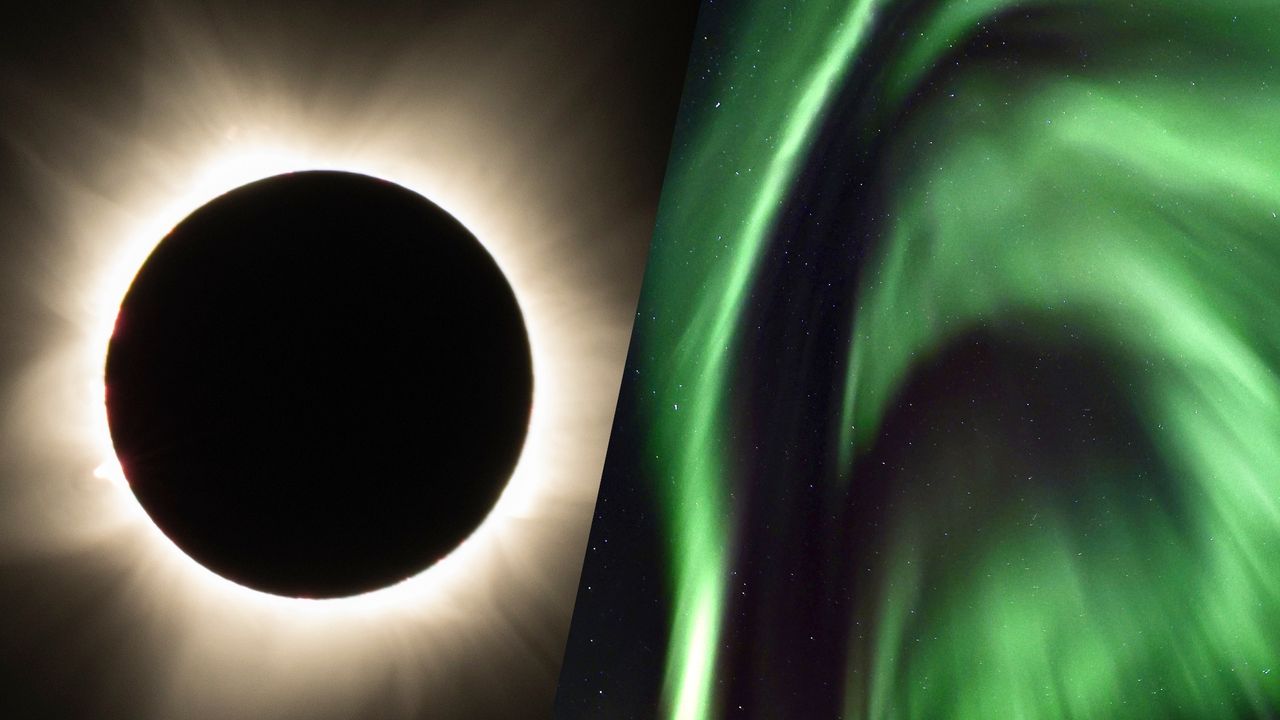
A rare total solar eclipse is poised to plunge northern Spain into temporary darkness today as the moon passes directly between the Earth and the sun. This highly anticipated celestial event, occurring just hours from now, will transform day into night along a narrow path of totality stretching across the Iberian Peninsula. Meanwhile, millions of observers across Europe, Canada, the northern United States, and northwest Africa prepare to witness a dramatic partial eclipse, making this one of the most widely watched astronomical events of the decade.
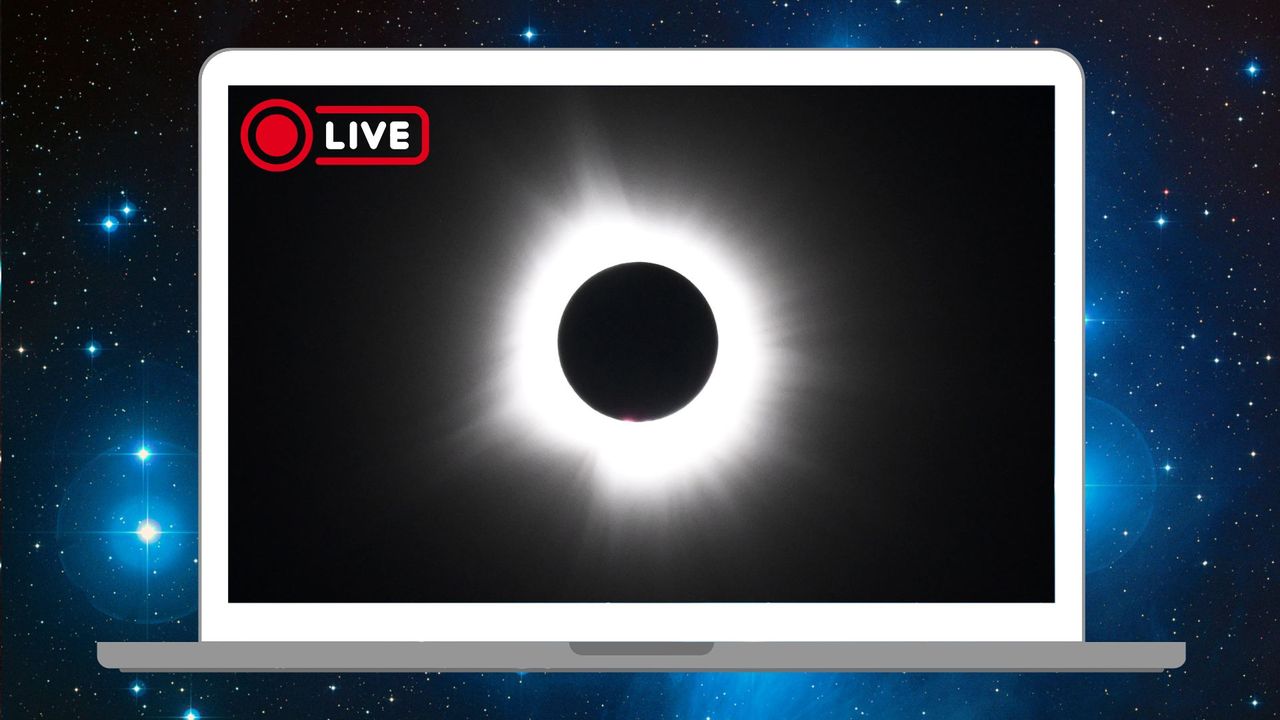
In the direct path of totality, skywatchers will experience a sudden drop in temperature and a surreal twilight as the lunar shadow sweeps across the landscape. The complete blockage of sunlight will last for only a few fleeting minutes, during which the sun's elusive outer atmosphere, the corona, becomes visible to the naked eye. Local authorities in Spain are bracing for a massive influx of international tourists and eclipse chasers, while optical shops and science centers report a surge in demand for certified protective viewing glasses to prevent permanent eye damage.
Total solar eclipses are rare cosmic coincidences that occur when the moon's apparent diameter is larger than the sun's, blocking all direct sunlight. Because the moon's orbit is tilted relative to Earth's orbit around the sun, these alignments happen only a few times a year, and they rarely cross the same geographical location twice in a generation. Historically, these awe-inspiring events have sparked both terror and wonder, shifting from omens of doom in ancient civilizations to celebrated milestones of modern astronomical science.
Astrophysicists and solar researchers are deploying sophisticated equipment along the path of totality to capture critical data that is otherwise impossible to obtain. This brief window of darkness allows scientists to study the solar corona, a region of superheated plasma that drives solar winds and space weather. Researchers hope to solve long-standing mysteries regarding why the corona is millions of degrees hotter than the sun's surface, utilizing specialized cameras, high-altitude balloons, and ground-based telescopes to analyze the chemical composition of the solar atmosphere.
Beyond the scientific community, the eclipse is generating a massive economic boost for hospitality and tourism sectors in northern Spain, with hotels and rental properties booked to capacity months in advance. The event also serves as a powerful educational tool, igniting public interest in science and inspiring a new generation of stargazers. Biologists are equally eager to observe the sudden disruption of animal behaviors, as nocturnal creatures awaken and daytime wildlife falls silent during the unexpected midday darkness.
As the shadow of the moon moves off the continent and back into space, the wealth of data collected by researchers will fuel scientific discoveries for years to come. This spectacular event sets the stage for future solar observations, with the next major total solar eclipses already mapped out for other regions of the globe. For those fortunate enough to stand in the shadow of the moon today, the brief moments of totality will leave an indelible memory, reminding humanity of our small place within a vast and dynamic solar system.
Originally reported by France24
What's Your Reaction?
 Like
0
Like
0
 Dislike
0
Dislike
0
 Love
0
Love
0
 Funny
0
Funny
0
 Angry
0
Angry
0
 Sad
0
Sad
0
 Wow
0
Wow
0