






















Eritrea Emerges as Key Geopolitical Player in Horn of Africa
Eritrea is emerging as a crucial geopolitical player in the Horn of Africa, leveraging its strategic Red Sea coastline to influence regional security and trade.

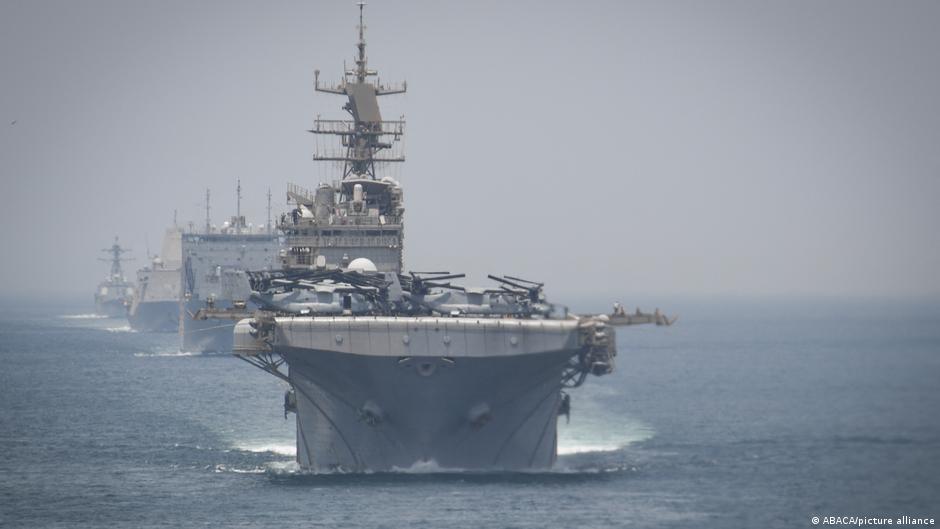
A series of high-level diplomatic meetings in Cairo this July positions the small East African nation of Eritrea as a pivotal player in the volatile Horn of Africa. As global powers vie for influence, Eritrea leverages its highly strategic Red Sea coastline and the key ports of Assab and Massawa to coordinate critical security and trade initiatives. This sudden diplomatic spotlight brings the isolated nation into central focus as regional leaders from Egypt and Somalia, alongside a senior United States envoy, seek to secure one of the world's most vital maritime trade corridors.
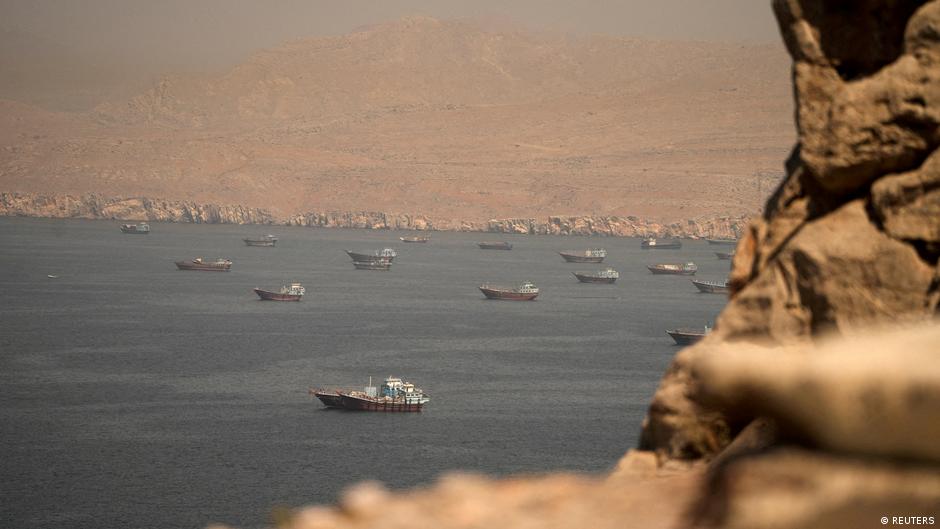
Eritrea controls a vast coastline stretching over 1,000 kilometers along the Red Sea, terminating near the narrow Bab-al-Mandab Strait. Directly across this crucial 30-kilometer-wide maritime choke point lies Yemen, a nation currently engulfed in a severe humanitarian crisis and ongoing civil conflict. While Iran-backed Houthi forces launch frequent attacks on commercial shipping vessels from the Yemeni coast, the waters bordering Eritrea remain remarkably calm, offering international shipping companies the only viable and secure passage through the troubled strait.
This maritime stability stands in stark contrast to Eritrea's domestic political reality. Since gaining independence 32 years ago, the country has operated as a highly centralized, one-party state under the uninterrupted rule of President Isaias Afewerki. The government strictly prohibits political dissent and has never held a national election, earning the nation a reputation as one of the most closed societies on Earth. However, this absolute control prevents the violent internal conflicts currently destabilizing neighboring nations like Sudan, Ethiopia, and Yemen, presenting an unusual paradox of authoritarian peace.
International analysts note that this domestic stability makes Eritrea an indispensable partner for regional heavyweights. Nations such as Saudi Arabia and Egypt, which relies heavily on Suez Canal transit fees, actively prioritize stable diplomatic relations with the Eritrean government to safeguard their economic interests. Despite widespread international condemnation of its human rights record, the country's predictable security environment transforms it into an attractive hub for foreign powers desperate to maintain the flow of global commerce through the region.
The geopolitical shift elevates Eritrea from an isolated pariah state to an essential guardian of global trade. By offering a secure alternative route away from Houthi aggression, the nation directly influences the cost and safety of international shipping. This newfound leverage allows the government in Asmara to break its diplomatic isolation, forcing Western and regional powers to balance their democratic ideals against the pragmatic necessity of securing the Red Sea.
Looking ahead, Eritrea's strategic prominence remains tethered to the longevity of its aging leadership. The highly centralized nature of the regime means that future stability hinges entirely on a single ruler, creating a potential succession crisis that could destabilize the entire region. As global trade conflicts intensify and the crisis in Yemen persists, the international community must navigate this fragile security landscape, knowing that the Red Sea's safest passage relies on one of the world's most unpredictable political systems.
Originally reported by DW News
What's Your Reaction?
 Like
0
Like
0
 Dislike
0
Dislike
0
 Love
0
Love
0
 Funny
0
Funny
0
 Angry
0
Angry
0
 Sad
0
Sad
0
 Wow
0
Wow
0