




















Houthi Red Sea Attack Kills Six; US Strikes Container Ship
Six killed in a Houthi rebel attack in the Red Sea, marking the first fatalities in over a year, while U.S. forces retaliate with strikes in the Gulf of Oman.


A deadly escalation in Middle Eastern waters leaves six people dead after Iran-backed Houthi rebels strike a commercial cargo ship in the Bab el-Mandeb Strait on Tuesday. The lethal assault, which marks the first shipping fatalities in more than a year, coincides with a separate naval clash hours later in the Gulf of Oman, where United States forces disable a container ship attempting to run an American blockade. Together, these twin incidents underscore the rapidly deteriorating security situation across two of the globe's most vital maritime trade routes as the regional conflict enters its sixth month.
The fatal strike targets the Tihamah, an Egyptian-owned, Tanzania-flagged cargo vessel transiting the strait. The victims include four crew members—three Pakistani nationals and one Indonesian sailor—along with two members of the Yemeni government-allied National Resistance Forces who died in a follow-up strike while attempting to rescue survivors. While rebel-aligned media outlets claim the vessel was transporting Saudi military hardware, Houthi leadership has yet to officially acknowledge the high death toll from the operation.
This surge in violence stems from a complex regional conflict that continues to spill into international shipping lanes. Following the collapse of a long-standing civil-war truce, the Houthis declared a naval blockade against Saudi Arabia in the Red Sea on July 20, citing retaliation for what they term a Saudi siege on Yemen. Meanwhile, the United States has maintained its own strict naval blockade on Iranian ports since mid-April, transforming the surrounding seas into a highly volatile military arena.
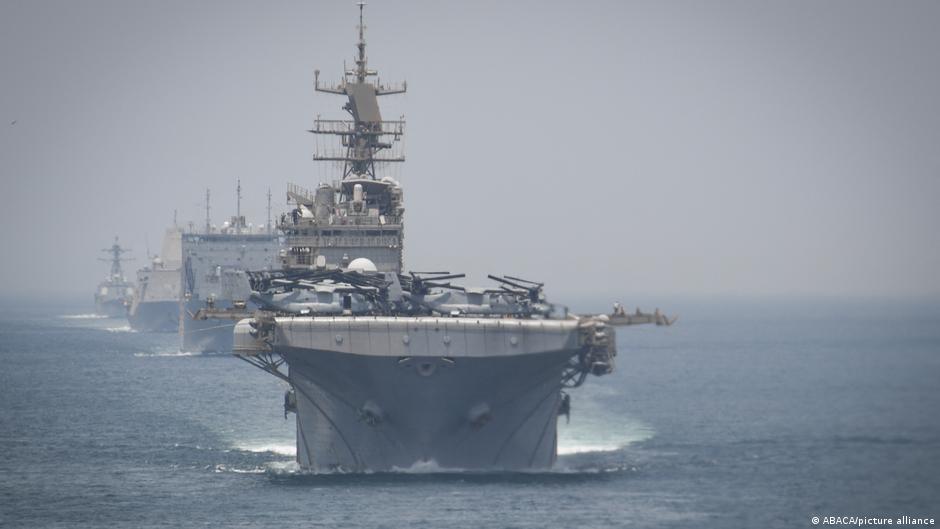
In the Gulf of Oman, American military intervention intensifies as a Navy helicopter fires two missiles at the Panama-flagged Vela Nova. The strike successfully disables the container ship's steering and propulsion after its crew ignores repeated warnings to halt. This vessel represents the latest of dozens of ships attempting to bypass the American blockade, with naval forces already redirecting 55 non-compliant ships, disabling three, and boarding two others since enforcement began.
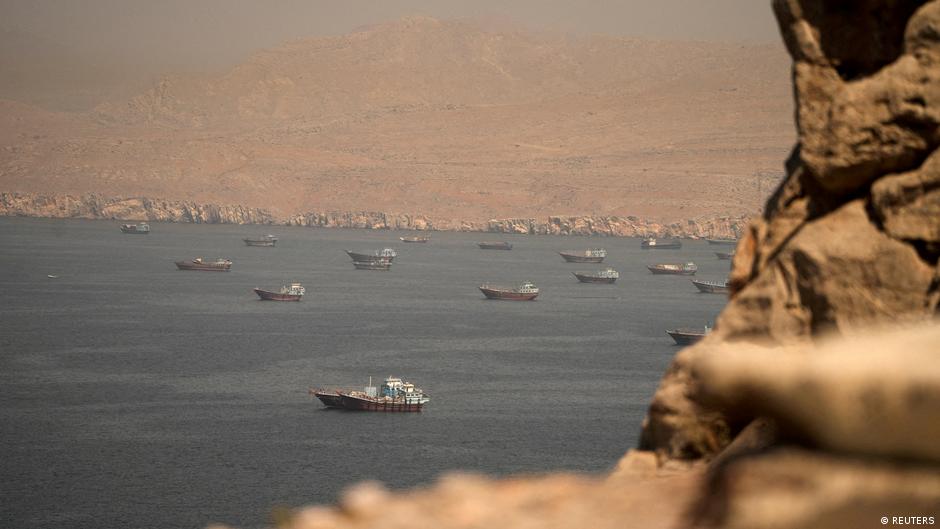
The maritime hostilities reflect a complete deadlock in diplomatic relations between Washington and Tehran. Iran currently demands sweeping concessions before it will reopen the crucial Strait of Hormuz, insisting on an end to the U.S. blockade, sanctions relief, American troop withdrawals, and war reparations. With the American administration countering by demanding reciprocal compensation, commercial shipping remains paralyzed. Consequently, traffic through the Strait of Hormuz, which previously facilitated one-fifth of the global oil trade, has ground to a near-total halt.
Looking ahead, the prospects for a swift return to normal maritime commerce appear dim as long as military actions dictate terms at sea. While bilateral talks between Iran and Oman offer a potential breakthrough for a new transit corridor through the Hormuz Strait, any progress remains incredibly fragile. Until diplomats can resolve the underlying political disputes, commercial vessels will continue to navigate a perilous gauntlet, facing the constant threat of missile strikes and military interceptions.
Originally reported by CNBC
What's Your Reaction?
 Like
0
Like
0
 Dislike
0
Dislike
0
 Love
0
Love
0
 Funny
0
Funny
0
 Angry
0
Angry
0
 Sad
0
Sad
0
 Wow
0
Wow
0