





















Strait of Hormuz: Gulf States Seek Alternative Oil Routes
Facing blockades in the Strait of Hormuz, Gulf energy exporters like Saudi Arabia are bypassing the critical waterway to secure global oil shipments.

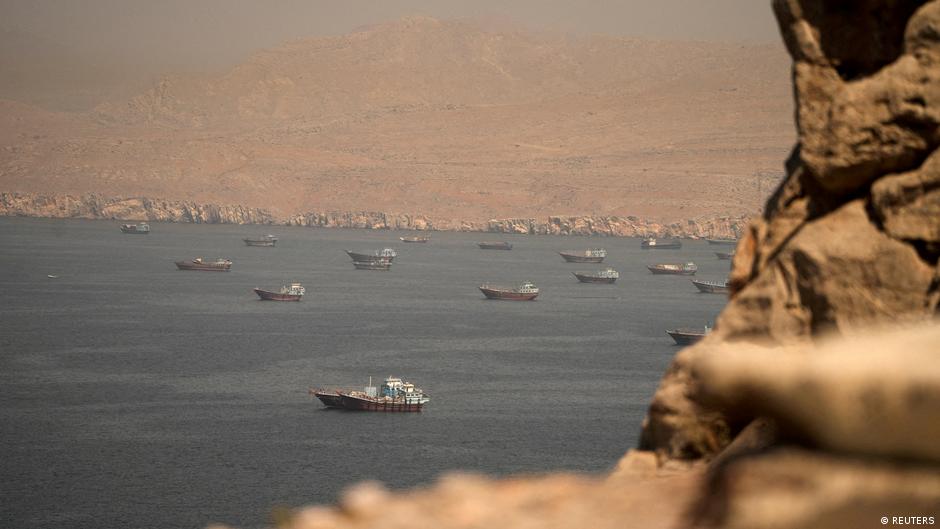
Major energy exporters in the Persian Gulf are actively bypassing the blockaded Strait of Hormuz to secure global oil supplies amidst ongoing military tensions between the United States and Iran. With the critical waterway effectively closed due to geopolitical disputes and mine-clearing operations, Saudi Arabia is successfully rerouting millions of tons of crude oil through alternative overland pipelines to the Red Sea. This massive logistical shift ensures that international energy markets continue to receive vital fuel supplies despite the dangerous naval standoff.
Saudi Arabia is utilizing its massive East-West Pipeline to transport crude from its eastern oil fields directly to the western port of Yanbu on the Red Sea. Recent shipping data reveals a dramatic transformation in transport routes, as Saudi exports from the Persian Gulf plummeted from over 47 million tons to just over 6 million tons during the spring. Simultaneously, Red Sea shipments surged to nearly 55 million tons, successfully offsetting more than sixty percent of the lost volume and proving that overland infrastructure can sustain global supply chains during maritime crises.
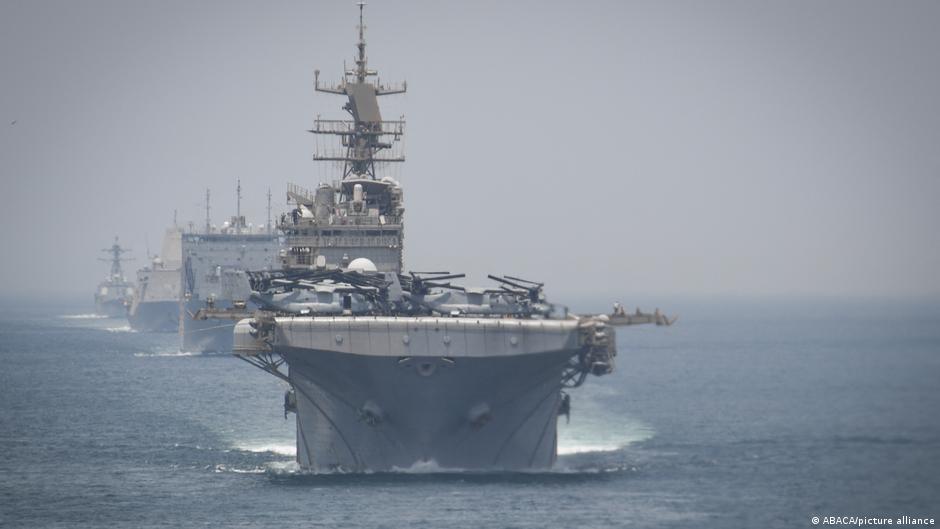
Historically, the narrow Strait of Hormuz serves as the world's most vital energy chokepoint, carrying approximately one-fifth of global crude exports to major economies in Europe, Asia, and North America. The current crisis stems from a bitter standoff where Iranian officials refuse to reopen the passage or resume negotiations until Washington honors a previous framework agreement and pays damages for alleged violations. In response, the American military maintains a heavy presence in the region, declaring full control over the waterway after executing extensive mine-sweeping operations to clear the shipping lanes.
While Saudi Arabia successfully adapts, neighboring United Arab Emirates faces severe security hurdles despite possessing the Abu Dhabi Crude Oil Pipeline designed to bypass the strait. This pipeline terminates at the eastern port of Fujairah on the Gulf of Oman, which theoretically sits outside the chokepoint. However, proximity to Iran leaves these eastern terminals highly vulnerable to drone and missile strikes, as evidenced by recent attacks on Emirati port facilities and nearby vessels. Compounding these regional dangers, Yemen-based Houthi rebels have declared their own maritime blockade against Saudi shipping.
The geopolitical friction is fundamentally restructuring Middle Eastern energy logistics and exposing the varying resilience of Gulf nations. The UAE has seen its Persian Gulf coast shipping traffic collapse from over 68 million tons to just 12 million tons, highlighting its struggle to secure alternative routes under fire. Conversely, the successful activation of the Saudi East-West Pipeline demonstrates that strategic infrastructure is no longer just an emergency backup, but a primary tool of economic survival that can insulate global markets from localized warfare.
Looking ahead, the prolonged closure of the Strait of Hormuz will likely accelerate massive infrastructure investments across the Arabian Peninsula. Saudi Arabia is actively working to eliminate bottlenecks in its western pipeline network, while the United Arab Emirates explores expanding parallel capacity along its eastern transport corridors. As long as diplomatic resolutions remain out of reach and regional proxy threats persist, the global energy trade will continue to pivot toward safer, overland bypass routes, permanently altering the maritime map of the Middle East.
Originally reported by DW News
What's Your Reaction?
 Like
0
Like
0
 Dislike
0
Dislike
0
 Love
0
Love
0
 Funny
0
Funny
0
 Angry
0
Angry
0
 Sad
0
Sad
0
 Wow
0
Wow
0