




















Eritrea's Growing Geopolitical Role in the Horn of Africa
Eritrea is emerging as a key strategic player in the Horn of Africa. Discover how its Red Sea coastline and ports are shaping regional geopolitics.

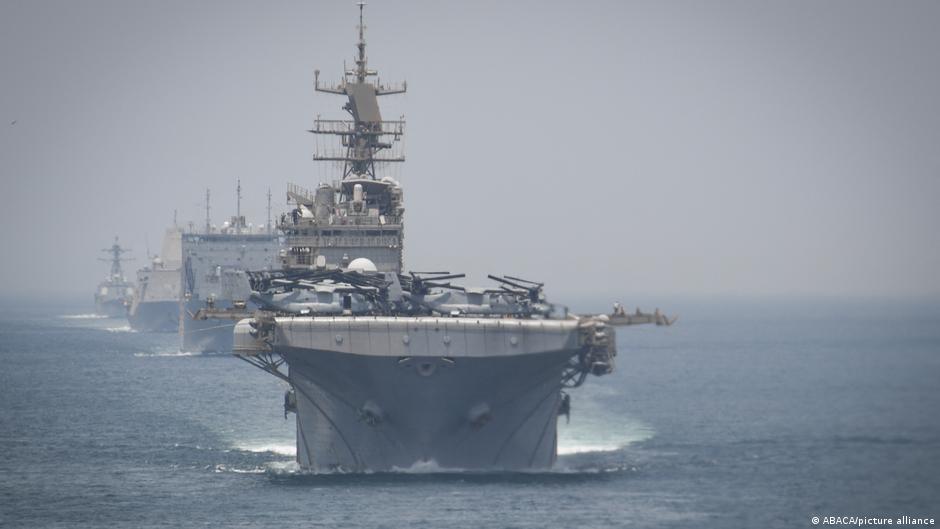
Eritrea is rapidly emerging as a central geopolitical player in the volatile Horn of Africa as global powers scramble to secure critical maritime trade routes. During high-level diplomatic meetings in Cairo this July, representatives from regional nations and international envoys gathered to coordinate security strategies for the Red Sea. At the heart of these discussions is Eritrea’s strategic coastline, which offers a rare pocket of stability along one of the world's most dangerous shipping corridors. Under the long-standing rule of President Isaias Afewerki, the small nation is leveraging its geographic position to assert itself as an indispensable partner in regional maritime security.
The country’s primary geopolitical asset is its 1,000-kilometer coastline, which features the strategically vital ports of Assab and Massawa. This coastline sits directly across the narrow Bab-al-Mandab Strait from Yemen, a passage measuring less than 30 kilometers at its narrowest point. While Iranian-backed Houthi forces launch persistent attacks on commercial vessels from the Yemeni coast, Eritrea's waters remain secure and unaffected by the violence. This stark contrast makes the Eritrean side of the strait the only viable safe passage for international shipping transiting between the Indian Ocean and the Mediterranean Sea.
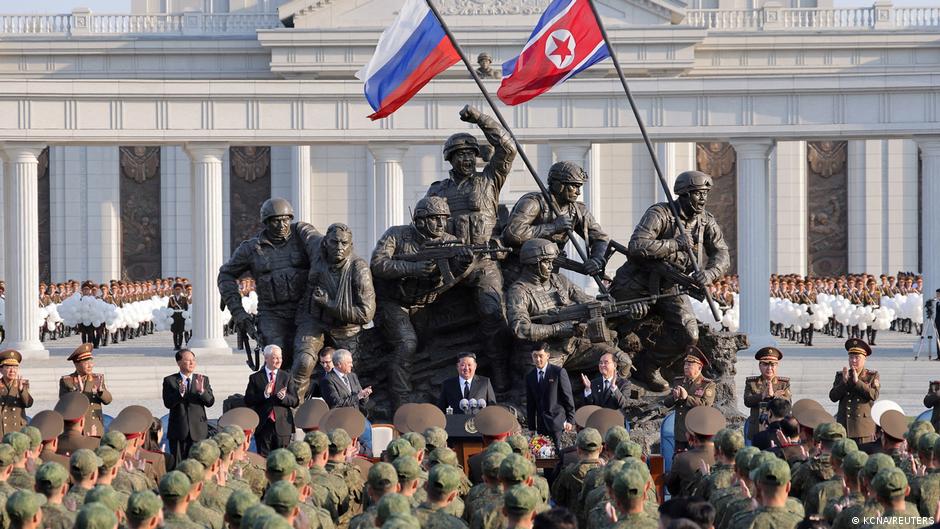
Eritrea’s internal stability comes at a steep humanitarian cost, as the country operates under a highly repressive, one-party dictatorship that has tolerated no dissent since gaining independence over three decades ago. Often ranked alongside North Korea on global freedom indexes, the nation has never held a democratic election. However, this absolute control has prevented the civil unrest and armed conflicts that currently ravage its neighbors. While Yemen suffers from a decade-long humanitarian crisis, and nearby Sudan and Ethiopia grapple with internal warfare, Eritrea functions as an authoritarian island of predictability.
Regional analysts point out that foreign governments are increasingly willing to overlook Eritrea's dismal human rights record in exchange for security guarantees. Major regional players, including Saudi Arabia and Egypt—which manages the Suez Canal—actively seek to maintain stable diplomatic ties with the Afewerki regime. For these nations, securing the Red Sea corridor is paramount to protecting global trade and domestic economic interests. Consequently, Eritrea's isolation is thawing as it transitions from a pariah state into a crucial facilitator of maritime commerce and regional security coordination.
This shifting dynamic significantly alters the balance of power in the Horn of Africa, giving the Eritrean government unprecedented leverage over international actors. By controlling key maritime choke points, the regime can dictate terms of engagement to both Western powers and regional rivals. The situation underscores a growing global trend where geopolitical necessity and trade security supersede democratic values and human rights advocacy. As long as the Red Sea remains a theater of conflict, Eritrea’s strategic value will continue to rise, forcing the international community to engage with its autocratic leadership.
Looking ahead, Eritrea's newfound prominence remains highly precarious due to its reliance on a centralized, single-leader system. The absence of institutionalized governance or a clear succession plan poses a severe long-term risk to the region's fragile stability. Should the aging regime face a sudden leadership transition, the resulting power vacuum could plunge the vital coastline into the very chaos it currently avoids. For now, the global shipping industry and regional powers must navigate a delicate partnership with a regime whose stability is as absolute as it is fragile.
Originally reported by DW News
What's Your Reaction?
 Like
0
Like
0
 Dislike
0
Dislike
0
 Love
0
Love
0
 Funny
0
Funny
0
 Angry
0
Angry
0
 Sad
0
Sad
0
 Wow
0
Wow
0