


















How Will a North Korean Troop Surge Impact the Ukraine War?
Volodymyr Zelenskyy warns of a massive North Korean troop surge of up to 50,000 soldiers aiding Russia's war in Ukraine, escalating global tensions.

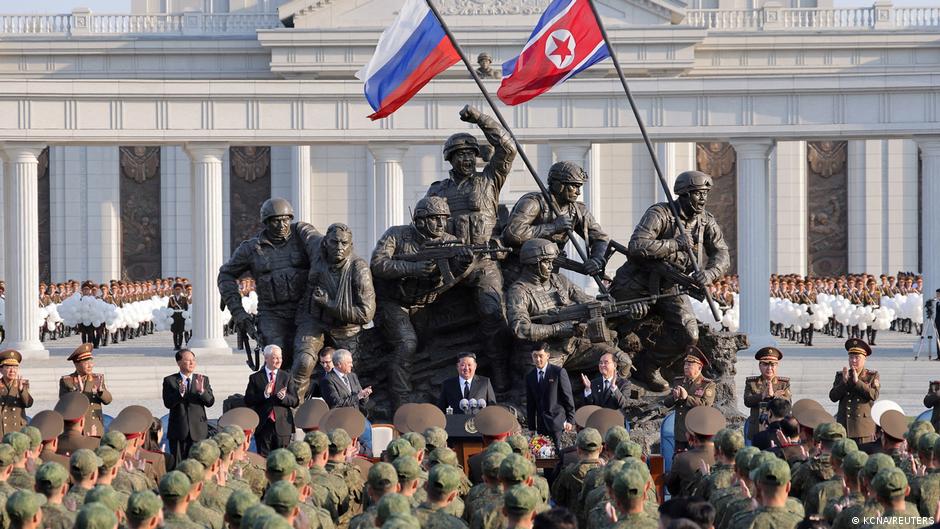
North Korea is preparing to deploy up to 50,000 soldiers to Russia by the end of November to bolster Moscow's ongoing war against Ukraine. This massive troop surge represents a significant escalation in the conflict, with foreign forces directly integrating into the Russian military apparatus. The incoming personnel will reportedly assume security duties in Russian border regions, allowing Moscow to redeploy its own combat-hardened units directly to the Ukrainian front lines.
The planned deployment builds upon an existing contingent of approximately 15,000 North Korean soldiers already operating primarily in the Kursk region, alongside an additional 6,000 military engineers and construction workers. This expanded force will secure the Russian border territories of Kursk, Bryansk, and Belgorod. Beyond manpower, Pyongyang is also supplying Moscow with critical military hardware, including millions of artillery shells and advanced ballistic missiles, some of which have already targeted Ukrainian cities like Zaporizhzhia. Casualties are already mounting, with estimates indicating that around 6,000 North Korean troops have been killed or wounded since their initial involvement.
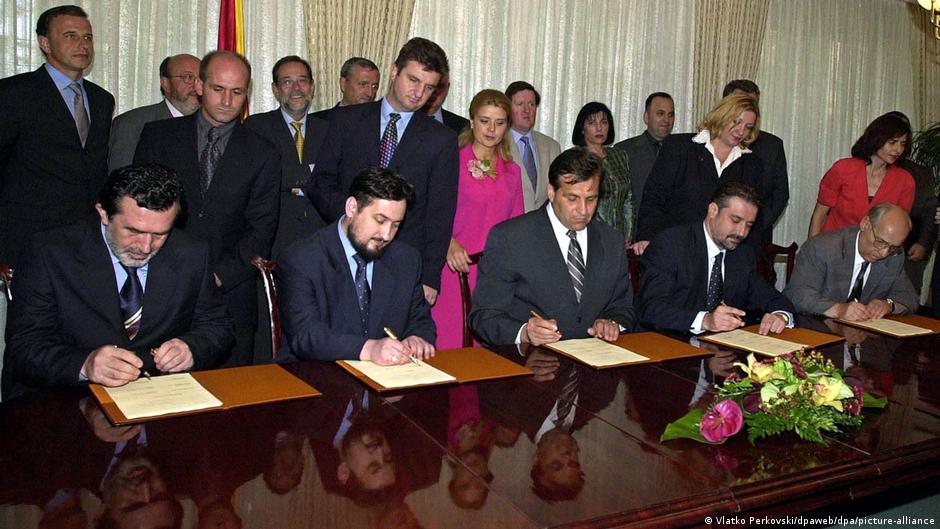
This rapid military integration stems from a mutual defense treaty signed between Moscow and Pyongyang in the summer of 2024. The pact formalized a geopolitical alignment that has steadily deepened as Russia seeks external support to sustain its protracted campaign in Ukraine. In exchange for troops and ammunition, North Korea secures vital economic aid, technological transfers, and diplomatic backing from a nuclear-armed superpower. This partnership marks a departure from decades of relative isolation for the East Asian regime, transforming it into an active participant in a European conflict.
Military analysts and regional observers express deep concern over the rapidly solidifying alliance, noting that the partnership is transitioning from a transactional agreement into a robust operational coalition. While some intelligence experts advise caution regarding the exact scale of the upcoming surge due to the difficulty of verifying troop movements in highly restricted zones, the trajectory of cooperation remains undeniable. The escalating situation has prompted urgent calls for neighboring democratic nations, particularly South Korea, to intensify their strategic cooperation with Ukraine, specifically in advanced sectors like aerial drone technology and sophisticated air defense systems.
The implications of this deployment extend far beyond the immediate battlefields of Eastern Europe. By participating in active combat, North Korean forces are gaining invaluable, real-world experience in modern warfare, including drone integration, electronic countermeasures, and combined arms operations. This practical knowledge threatens to destabilize the Korean Peninsula by significantly upgrading the combat readiness and tactical capabilities of Pyongyang's military. Furthermore, the direct involvement of third-party state forces internationalizes the war, complicating diplomatic efforts to resolve the conflict and raising the stakes for global security alliances.
As the end of November deadline approaches, the international community faces the challenge of responding to this unprecedented military coalition. The arrival of tens of thousands of fresh troops could alter the dynamics on the ground, potentially prolonging the war and increasing the devastation in Ukraine. Observers expect Western allies and Asian partners to coordinate new sanctions and security measures to counter this growing axis. The coming weeks will test the resolve of global coalitions as they attempt to contain the fallout of a conflict that now directly links the security of Europe with that of East Asia.
Originally reported by DW News
What's Your Reaction?
 Like
0
Like
0
 Dislike
0
Dislike
0
 Love
0
Love
0
 Funny
0
Funny
0
 Angry
0
Angry
0
 Sad
0
Sad
0
 Wow
0
Wow
0