























Solar Eclipse Guide: What to Look Forward to During Totality
Discover what to expect during the upcoming solar eclipse, from the stunning sun's corona and Baily's beads to unusual animal behavior and temperature drops.

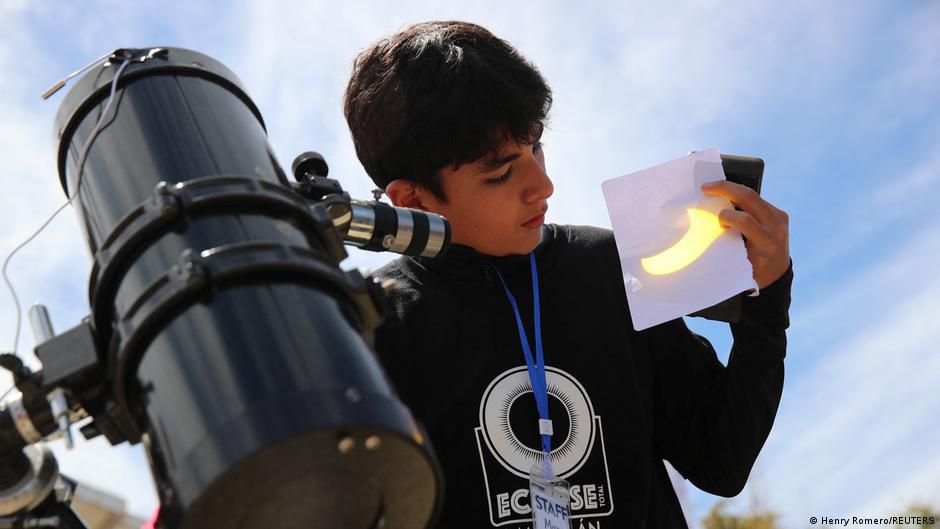
Nearly one billion people across the Northern Hemisphere are preparing to witness a breathtaking celestial event this Wednesday as a rare solar eclipse sweeps across the sky. The path of totality, where the moon completely blocks the sun, will stretch across Greenland, Iceland, northern Russia, Spain, and Portugal. Millions more in North America, Western Europe, and North Africa will experience a partial eclipse. The cosmic show begins at 15:34 GMT, with the highly anticipated moment of totality scheduled to peak at 17:46 GMT, offering observers a fleeting but magnificent view of daytime darkness.
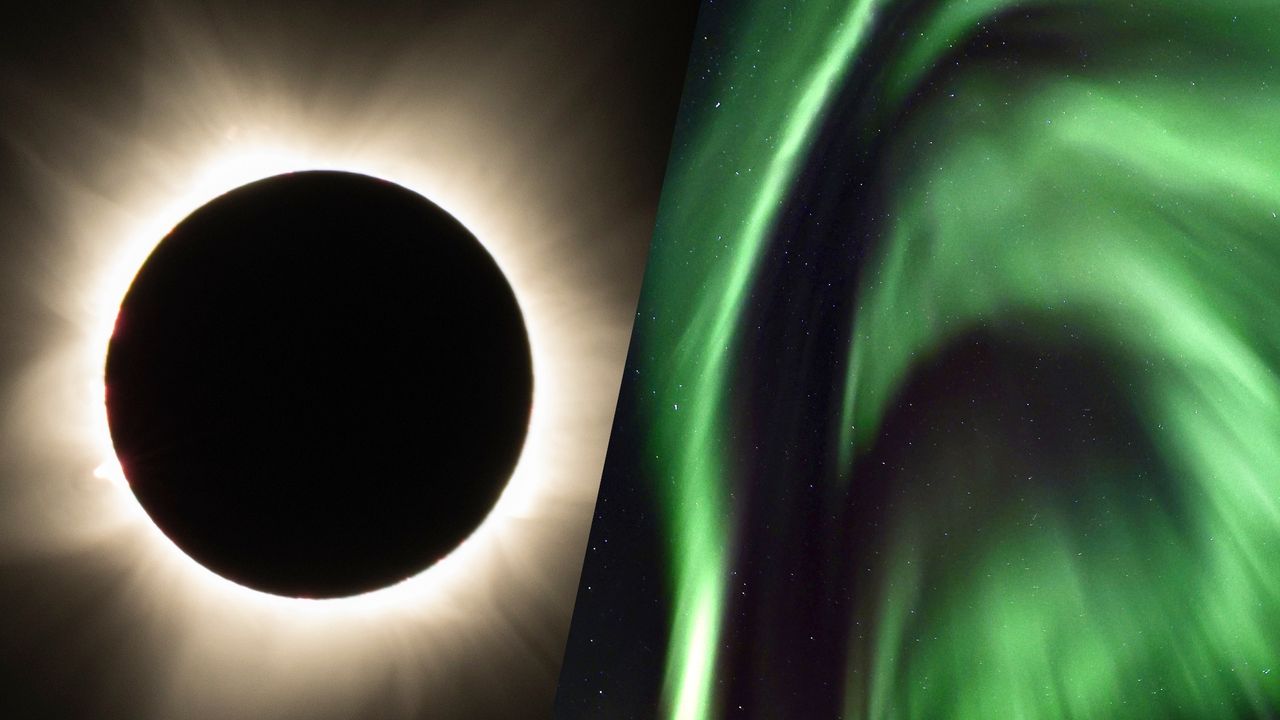
As the moon glides into alignment, the sky will darken dramatically, causing temperatures to plunge, winds to shift, and local wildlife to behave erratically. Observers should watch for crescent-shaped shadows on the ground and the famous Baily's beads—sparkling points of light that resemble a string of pearls as the last sunbeams filter through lunar valleys. During the two minutes of totality, which occurs at 17:48 GMT in Iceland and 18:27 GMT in Spain, the sun's fiery outer atmosphere, or corona, will flare into view. Under the cover of this sudden artificial night, lucky skywatchers might even spot bright stars, passing meteors, or shimmering auroras.
While solar eclipses occur regularly on a global scale, they rarely cross densely populated regions of the Earth. For much of mainland Europe, this event represents the first total solar eclipse visible in the region since 1999. This spectacular event also kicks off an active month for stargazers, serving as the first of two major astronomical occurrences in August. The month will conclude with a lunar eclipse on August 27 and 28, when the Earth passes directly between the sun and the moon, casting its own shadow across the lunar surface.
For the scientific community, these precious minutes of darkness offer an invaluable window of opportunity. Teams of researchers are deploying specialized instruments to capture high-resolution images of the solar corona, which is normally hidden by the sun's overwhelming glare. By studying this outer atmosphere, scientists hope to unlock secrets about solar winds and the magnetic forces that shape space weather. The brief event allows astrophysicists to conduct experiments that are impossible under normal daylight conditions, turning the path of totality into a massive, open-air laboratory.
Beyond the scientific and visual thrill, the sudden loss of sunlight carries real-world infrastructure challenges. Power grid operators are preparing for a rapid drop in solar energy production as the moon blocks the sun's rays. In Germany, where solar power constitutes a significant portion of the energy mix, this temporary dip is expected to trigger a brief spike in electricity prices. This economic ripple effect highlights the modern world's growing reliance on renewable energy and demonstrates how cosmic events can directly influence daily life on Earth.
Because this eclipse occurs relatively late in the day, viewers are encouraged to find elevated vantage points with clear western horizons to fully enjoy the spectacle before sunset. Once this event concludes, astronomy enthusiasts will have to wait until February 2, 2027, for the next major solar eclipse, which will primarily shadow parts of South America, Africa, and Antarctica. Until then, Wednesday's event promises to leave an indelible mark on the millions of people who look upward to witness the grand mechanics of our solar system.
Originally reported by DW News
What's Your Reaction?
 Like
0
Like
0
 Dislike
0
Dislike
0
 Love
0
Love
0
 Funny
0
Funny
0
 Angry
0
Angry
0
 Sad
0
Sad
0
 Wow
0
Wow
0