

















Northern Lights During 2026 Total Solar Eclipse: Is It Possible?
Could the northern lights appear during the August 2026 total solar eclipse? Find out if skywatchers in Greenland and Iceland will see this rare event.

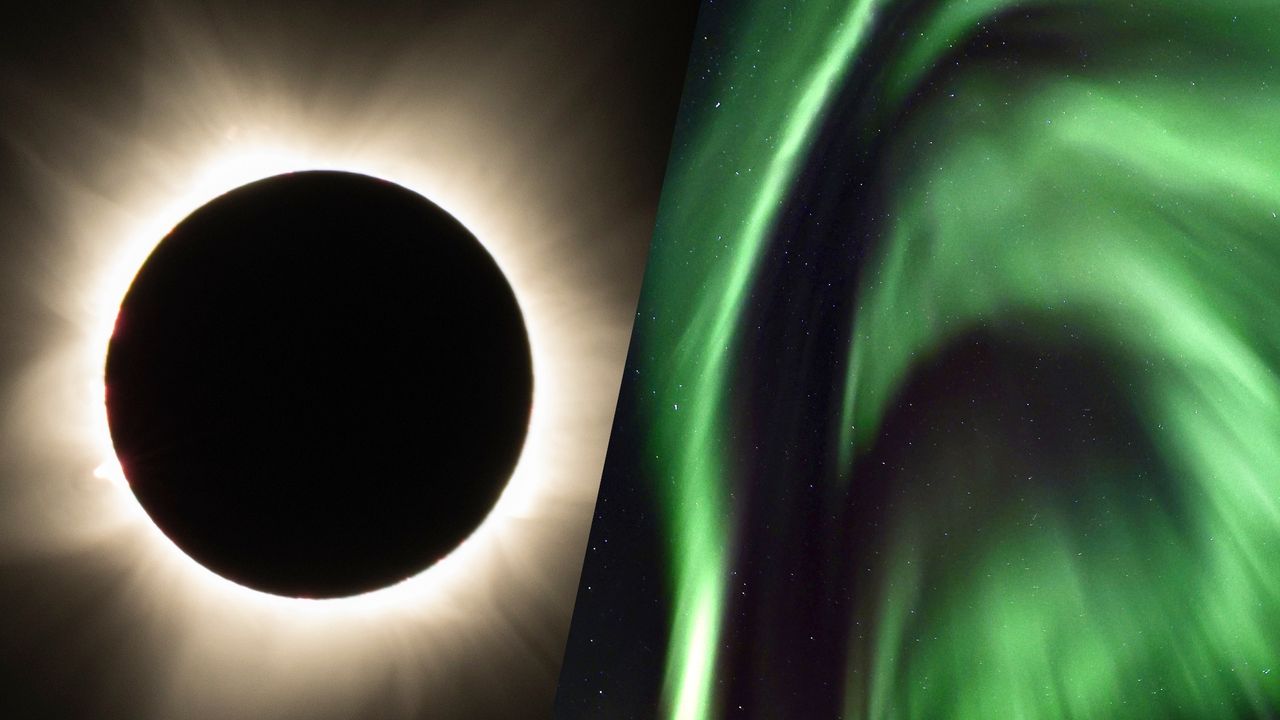
A rare celestial double-feature could await skywatchers on August 12, 2026, as a spectacular total solar eclipse sweeps across Greenland, Iceland, and northern Spain. During this highly anticipated event, the moon will completely block the sun, plunging the daytime sky into a surreal twilight and revealing the sun's elusive outer atmosphere. This unique path of totality positions observers in prime northern latitudes, sparking intense curiosity about whether the northern lights might make a surprise appearance alongside the eclipsed sun.
While a total eclipse briefly transforms day into darkness, it does not produce the pitch-black conditions of midnight. Instead, the sky dims to a level resembling civil twilight, the faint glow immediately following sunset. Because Greenland and Iceland sit directly within the auroral zone—the magnetic ring around Earth's pole where auroras frequently dance—the physical ingredients for a dual spectacle are present. However, actually witnessing the northern lights during the brief minutes of totality requires an extraordinary alignment of natural factors, as the sheer brightness of the solar corona can easily drown out faint auroral displays.
Under normal circumstances, the northern lights remain invisible during the day because sunlight completely overpowers the delicate glow of charged particles colliding with Earth's atmosphere. Even during twilight, only exceptionally bright auroras can pierce the remaining atmospheric light. To make matters more challenging, the side of the Earth experiencing the eclipse will be facing the sun, meaning any auroral activity would occur on the dayside of the auroral oval. Dayside auroras are notoriously difficult to detect compared to their vibrant nightside counterparts, which benefit from stored magnetic energy.
Space weather scientists explain that triggering a visible dayside aurora during the eclipse demands extreme solar activity. Specifically, Earth would need to experience a severe G4 or G5 geomagnetic storm, the highest categories on the space weather scale. These massive storms occur when powerful solar eruptions, known as coronal mass ejections, slam directly into the planet's magnetic shield. Such intense solar winds open magnetic field lines near the polar regions, forcing a deluge of charged particles into the atmosphere with enough energy to create a brilliant, visible display even in twilight conditions.
The potential convergence of these two majestic phenomena represents a holy grail for astrophotographers and eclipse chasers worldwide. Capturing a total solar eclipse and the green ribbons of the aurora borealis in a single frame would yield some of the rarest astronomical imagery in history. Even without the northern lights, the 2026 eclipse stands as a monumental event, marking the first total solar eclipse visible in continental Europe since 1999. The added thrill of a potential space weather storm elevates the stakes, turning the Arctic regions into the ultimate destinations for scientific observation and tourism.
As the countdown to August 2026 continues, astronomers and enthusiasts will closely monitor the sun's activity cycle. Because the sun is currently in a period of high magnetic activity, the chances of a major solar storm coinciding with the eclipse remain higher than usual. Travelers planning expeditions to Iceland and Greenland must prepare for unpredictable weather, but the promise of a dark afternoon sky keeps excitement at a fever pitch. Whether the cosmos delivers a double feature or a singular solar masterpiece, the upcoming eclipse promises to be an unforgettable spectacle.
Originally reported by Space.com
What's Your Reaction?
 Like
0
Like
0
 Dislike
0
Dislike
0
 Love
0
Love
0
 Funny
0
Funny
0
 Angry
0
Angry
0
 Sad
0
Sad
0
 Wow
0
Wow
0