




















How to Safely Watch the Most Complete Solar Eclipse Since 1989
Get ready for the most complete solar eclipse since 1989 on August 12. Learn why you need special eclipse glasses to safely watch this rare celestial event.


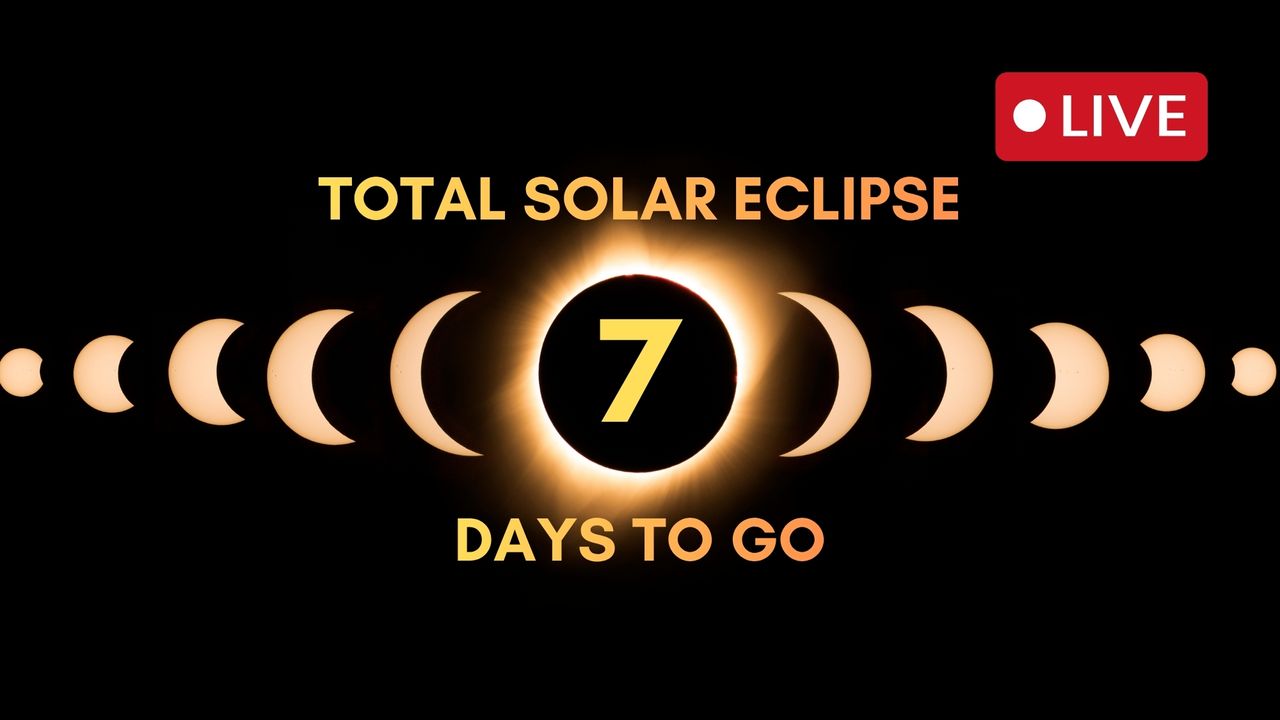
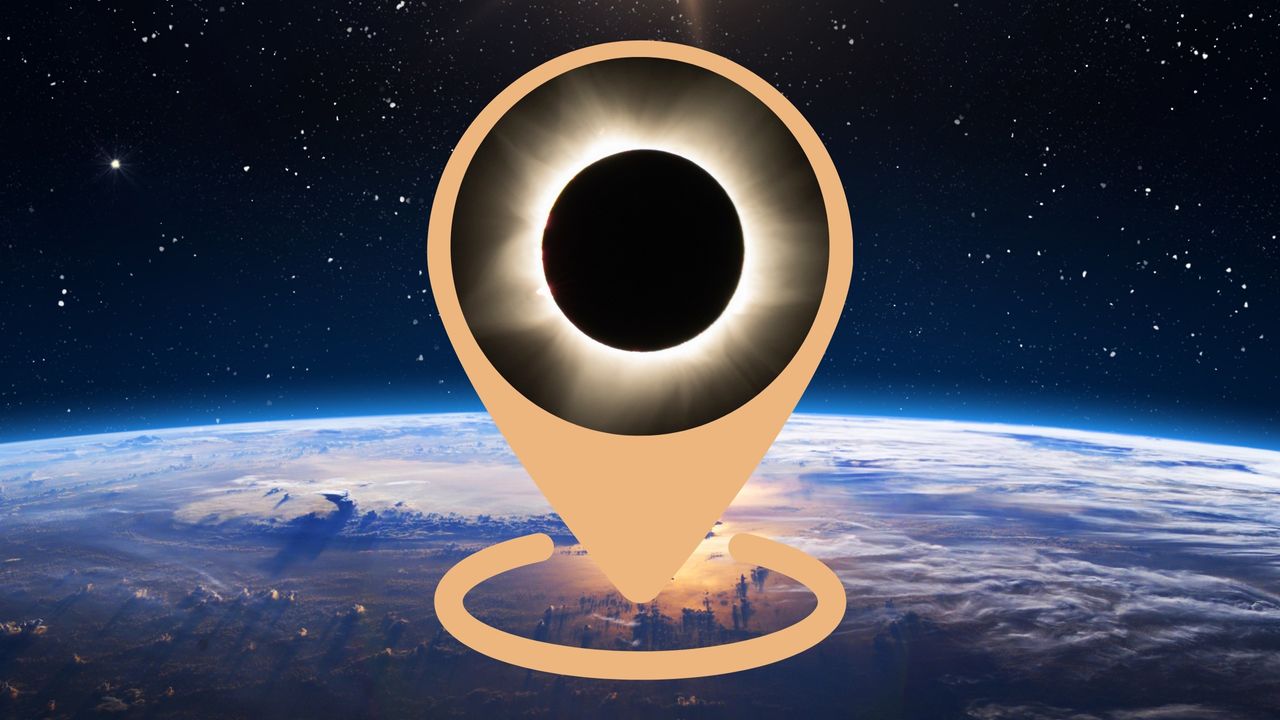
Millions of skywatchers across the globe are preparing for a spectacular celestial event on Wednesday, August 12, as a rare total solar eclipse darkens the skies. This highly anticipated event marks the most complete solar eclipse since 1989, with the moon positioned to entirely block out the sun. To witness this breathtaking alignment safely, observers must secure specialized protective eyewear, as looking directly at the sun during the transition poses severe risks to human vision.
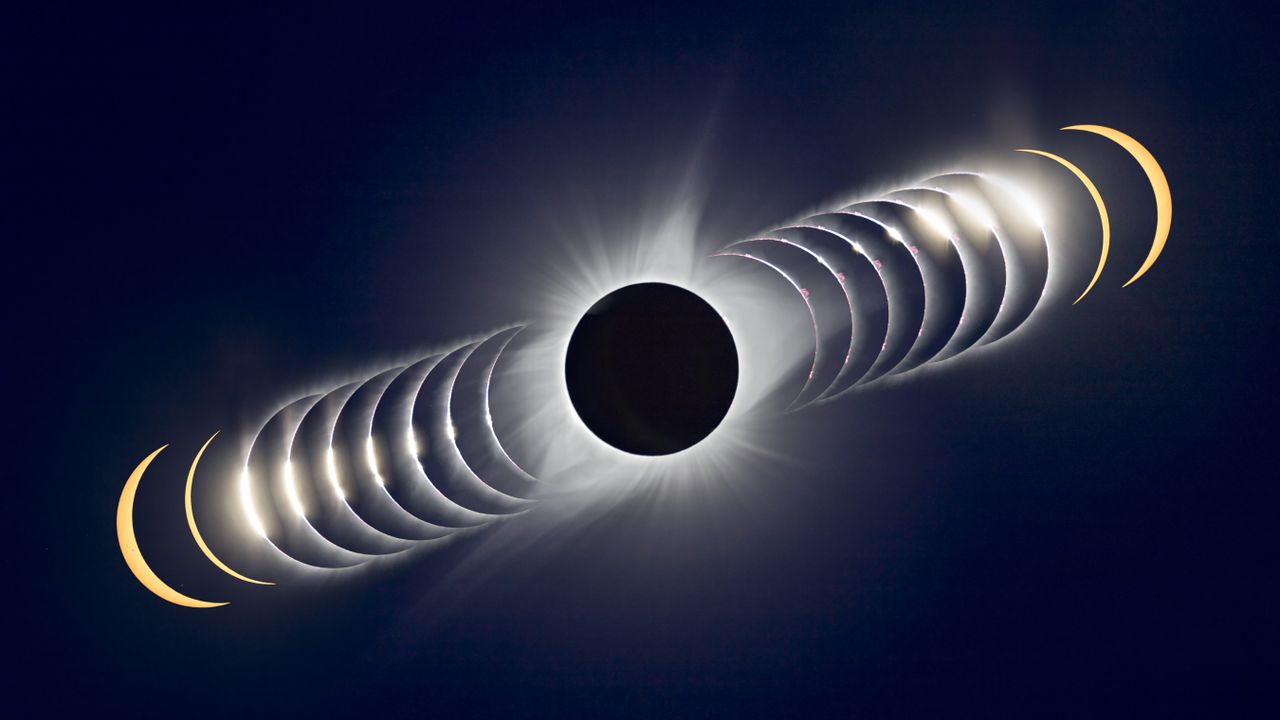
The path of totality will plunge specific regions into temporary daytime darkness, dropping temperatures and prompting nocturnal wildlife to emerge early. During this brief window, the sun's outer atmosphere, or corona, becomes visible as a glowing halo of plasma. To experience this phenomenon, viewers require dedicated solar viewing glasses that meet international safety standards, specifically the ISO 12312-2 certification. Standard sunglasses and polarized lenses fail to block the intense radiation, meaning only certified filters can prevent permanent retinal damage.
Total solar eclipses occur when the moon passes directly between the Earth and the sun, casting a shadow that travels across the planet's surface. While partial eclipses happen more frequently, a total eclipse of this magnitude is a generational event. The last time a comparable eclipse of this scale occurred was in 1989, making this upcoming alignment a historic milestone for both scientists and casual stargazers. Over the decades, advancements in orbital calculations have allowed experts to predict these events with pinpoint accuracy.
Optometrists and astronomical organizations emphasize that safety must remain the top priority for anyone planning to view the event. Experts warn that looking at the sun without proper protection, even for a few seconds, can cause solar retinopathy, a condition that destroys cells in the retina. To combat the influx of counterfeit products currently flooding the market, safety advocates recommend purchasing glasses only from reputable manufacturers. Testing the glasses beforehand by ensuring that normal ambient light is completely invisible through the lenses is a crucial step.
Beyond the visual spectacle, the eclipse triggers a massive wave of scientific research and economic activity. Solar scientists are deploying specialized equipment to study the solar corona, hoping to gather data on solar winds and space weather. Simultaneously, towns and cities along the path of totality are experiencing an unprecedented tourism boom, with hotels booked months in advance and local businesses hosting viewing festivals. This event serves as a powerful reminder of humanity's shared connection to the cosmos, bringing diverse communities together.
Once the shadow passes and daylight returns on August 12, researchers will begin analyzing the vast amounts of data collected during those precious minutes of totality. For the general public, the memories of this rare alignment will likely last a lifetime, inspiring a new generation of space enthusiasts. Those who miss this spectacular show will have to wait years, or even decades, for the next comparable total solar eclipse to cross their region. Until then, securing a pair of certified safety glasses remains the single most important preparation.
Originally reported by France24
What's Your Reaction?
 Like
0
Like
0
 Dislike
0
Dislike
0
 Love
0
Love
0
 Funny
0
Funny
0
 Angry
0
Angry
0
 Sad
0
Sad
0
 Wow
0
Wow
0