

















Iran and US Send Mixed Signals Over Strait of Hormuz Talks
Donald Trump claims ongoing negotiations with Iran over the Strait of Hormuz, while Tehran denies direct talks but confirms discussions with Oman.

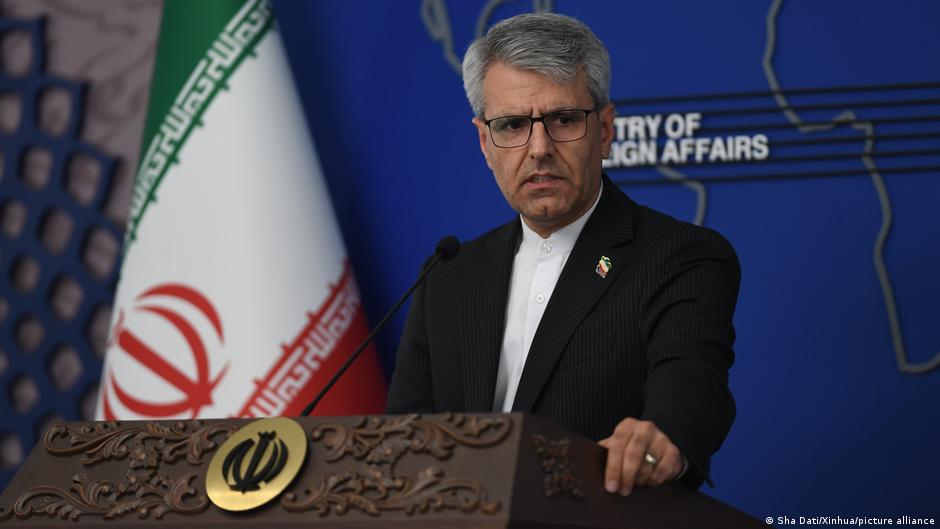
United States President Donald Trump announces at the White House that active negotiations are underway regarding the Strait of Hormuz, warning Iran that it faces a final opportunity to resolve the standoff before facing severe consequences. Trump confirms that Washington is pursuing these diplomatic efforts at the request of key regional allies, including Saudi Arabia, the United Arab Emirates, and Qatar. While Tehran publicly denies engaging in direct talks with the American administration, Iranian officials acknowledge they are holding discussions with Oman concerning the strategic maritime passage.
The discrepancy in public statements highlights a semantic divide, as both nations appear to describe the same diplomatic channel through different lenses to satisfy their respective domestic audiences. The United States frames the Omani-led mediation as direct negotiations with the Iranian government, whereas Tehran characterizes the dialogue as a strictly technical consultation with Oman regarding shipping safety. Meanwhile, maritime traffic through the vital waterway remains severely restricted, with daily commercial vessel crossings dropping to just six ships amid ongoing security threats and attacks.
The core of the dispute centers on the governance and security of the Strait of Hormuz, a critical chokepoint for global energy supplies. Tehran seeks international recognition of its authority to monitor and control commercial vessels entering the Persian Gulf. Conversely, Washington demands the immediate and complete reopening of the strait to ensure unrestricted international shipping. This fundamental disagreement over maritime sovereignty has fueled months of escalating tensions, crippling regional trade and threatening international security.
Analysts suggest the conflicting rhetoric serves vital political purposes for both administrations. For the American president, framing the backchannel communication as formal negotiations demonstrates that economic sanctions and military pressure are successfully forcing Tehran to the bargaining table. For Iranian leaders, avoiding the term "negotiations" prevents domestic hardliners from viewing the talks as a capitulation to Western demands. This internal political friction within Iran divides decision-makers between those seeking sanctions relief to revive a struggling economy and those opposing any concessions.
The volatility surrounding this crucial shipping lane continues to reverberate through global financial markets. While recent rumors of diplomatic progress briefly lowered oil prices and boosted stock markets, financial analysts warn that these fluctuations reflect market hypersensitivity rather than any genuine resolution to the crisis. The ongoing disruption to shipping routes threatens global supply chains, driving up insurance costs for maritime transport and keeping energy markets on high alert as long as the passage remains contested.
Looking ahead, a swift resolution remains unlikely as both nations maintain deeply entrenched and seemingly irreconcilable positions. The United States is poised to maintain its maximum pressure campaign until free passage is guaranteed, while Iran shows no signs of relinquishing its demands for regional oversight. As long as internal political divisions in Tehran stall a unified diplomatic approach, the Strait of Hormuz will likely remain a dangerous flashpoint, keeping the international community braced for potential escalation.
Originally reported by DW News
What's Your Reaction?
 Like
0
Like
0
 Dislike
0
Dislike
0
 Love
0
Love
0
 Funny
0
Funny
0
 Angry
0
Angry
0
 Sad
0
Sad
0
 Wow
0
Wow
0