

















Germany's AfD Party Threatens to Cut Modern Art Funding
The far-right AfD party in Germany threatens to slash state funding for modern cultural institutions and artists deemed to produce 'anti-German art.'

The far-right Alternative for Germany party stands on the precipice of securing an absolute majority in the upcoming Saxony-Anhalt state elections on September 6. This potential political shift sends shockwaves through the eastern German region's cultural sector, as local museums, theaters, and art institutions brace for a sweeping overhaul of artistic freedom. Under the party's proposed platform, public funding for the arts will become strictly contingent on political alignment, threatening to dismantle the state's vibrant and diverse creative landscape.
To secure vital state subsidies, creative organizations and individual artists must sign a formal declaration pledging not to show contempt for German culture. The party specifically targets what it labels anti-German art, a highly ambiguous category designed to censor works that challenge traditional narratives. Party officials define this objectionable material as any German art that rejects its national identity, citing progressive reinterpretations of classical works, such as feminist or deconstructive theater productions, as prime examples of concepts that will no longer receive public financial support.
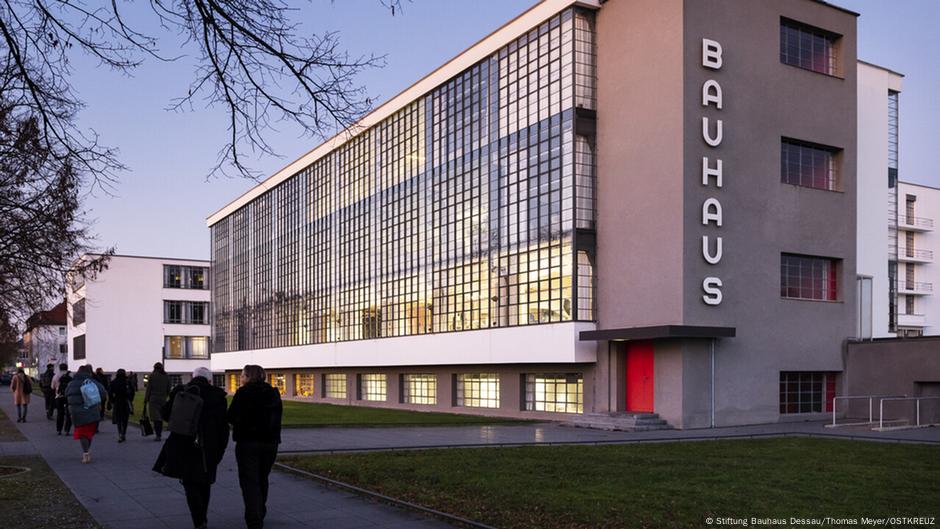
This ideological battleground directly threatens iconic institutions like the Bauhaus school of design, which revolutionized global architecture after its founding in 1919. During the mid-twentieth century, totalitarian authorities forced the school to close, branding its avant-garde and open-minded philosophy as un-German. Despite that historic suppression, Bauhaus grew into one of the most influential design movements of the modern era. Today, the school once again faces political hostility from nationalist factions who view its globalist and modernist legacy as incompatible with patriotic values.
Current cultural leaders point out that the modern political rhetoric closely mirrors the hostile arguments used against progressive artists a century ago. The nationalist platform explicitly criticizes the Bauhaus legacy as controversial and seeks to dismantle the state's current tourism campaign, which promotes modern thinking. In its place, the party proposes a heritage-focused initiative centered on traditional German identity, shifting the spotlight away from modernism to focus exclusively on historical figures such as Martin Luther, Otto von Bismarck, and Friedrich Nietzsche.
The financial implications of these proposed policies pose an existential threat to the region's cultural fabric, as most local theaters and museums depend heavily on government grants to survive. By weaponizing public funding, the political opposition seeks to enforce conformity and stifle creative expression that does not align with nationalistic ideals. This strategy represents a broader effort to redefine national identity through the systematic exclusion of diverse, critical, and contemporary voices from the public sphere, fundamentally altering the relationship between the state and the arts.
As the September 6 ballot approaches, the impending vote serves as a crucial test case for the future of democratic expression and intellectual freedom in Germany. The outcome will determine whether Saxony-Anhalt remains a hub of modern, global artistic innovation or transitions into a highly controlled cultural environment governed by state-mandated patriotism. Observers and creators alike await the results, knowing that the election will set a powerful precedent for how regional governments across Europe manage public funding and artistic independence in the years to come.
Originally reported by DW News
What's Your Reaction?
 Like
0
Like
0
 Dislike
0
Dislike
0
 Love
0
Love
0
 Funny
0
Funny
0
 Angry
0
Angry
0
 Sad
0
Sad
0
 Wow
0
Wow
0