






















Suno Implements Watermarks to Identify AI-Generated Music
AI music generator Suno announces plans to introduce durable watermarks to its audio outputs, helping platforms detect and label AI-generated content.

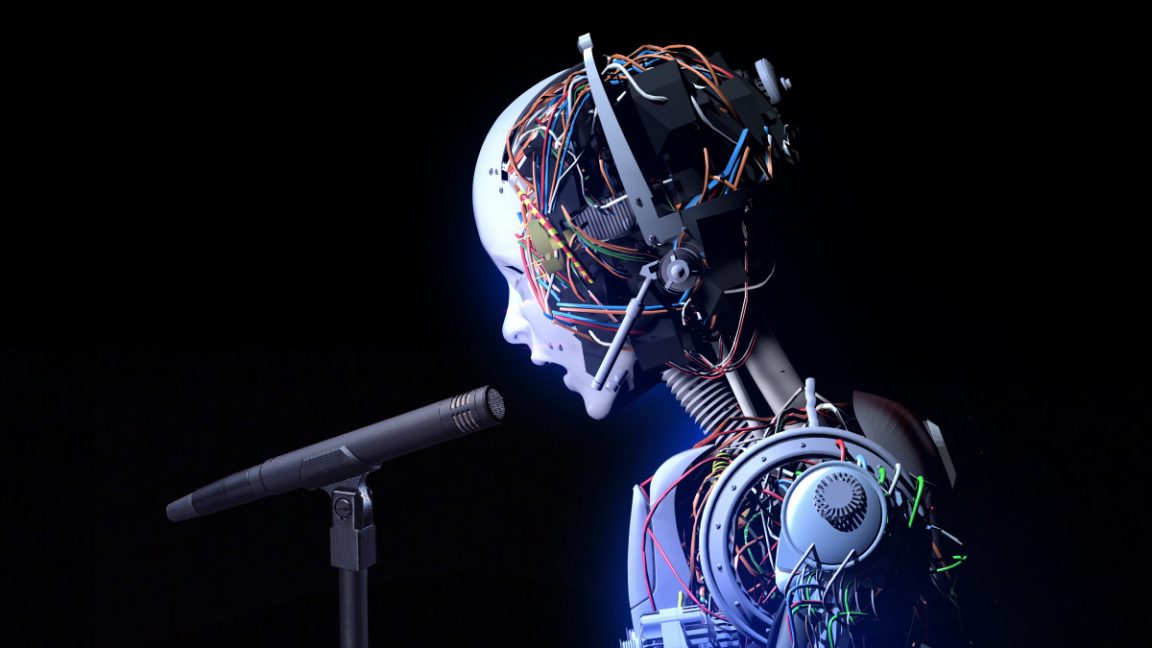
Artificial intelligence music generator Suno is launching a major initiative to embed invisible watermarks into all its audio outputs, aiming to curb the flood of synthetic songs on streaming platforms like Spotify. The company's leadership confirms this policy shift aligns with emerging global standards for labeling AI-generated content. By integrating these digital signatures directly into the audio waveforms, Suno enables distribution platforms to easily identify, label, or block AI-generated tracks. This move represents a significant step toward transparency in an industry increasingly saturated with machine-made art.
The new watermarking technology embeds a durable, tamper-resistant code directly into the audio file without degrading the listening quality. While the company has not disclosed whether it is developing an in-house tracking system or licensing an existing tool like Google’s SynthID, the goal remains to create an unalterable digital fingerprint. Once deployed, specialized detectors can scan the audio waveforms to verify their synthetic origin, giving streaming services the necessary tools to combat copyright fraud and platform manipulation. However, security experts warn that if bad actors successfully crack the watermark, previous tracks could lose their identification markers permanently.
This sudden push for transparency comes as Suno faces intense legal and regulatory pressure worldwide. Major record labels, including Sony and Universal, are currently suing the company in the United States for massive copyright infringement. Meanwhile, a German court recently ruled that the platform violated national music licensing laws, exposing the startup to substantial financial penalties. Compounding these legal woes is a class-action lawsuit in Massachusetts following a massive, previously undisclosed data breach in late 2025, which revealed that Suno scraped copyrighted content from platforms like YouTube and Deezer to train its algorithms.
Industry analysts point out that while watermarking is a step in the right direction, it is far from a complete solution to the proliferation of AI-generated music. Competitors and open-source models continue to generate unlabeled audio without any restrictions, allowing users to bypass these safety measures entirely on their own hardware. Furthermore, tech giants like Google have already scaled up similar labeling efforts, using SynthID to tag billions of images and decades worth of audio. Yet, without universal adoption across all AI developers, the music ecosystem remains highly vulnerable to unregulated synthetic content.
The implementation of these watermarks signals a strategic pivot for Suno as it attempts to rehabilitate its public image. Rather than functioning as a factory for endless, low-quality streaming content, the company is actively rebranding itself as a collaborative tool designed to assist human musicians. This shift highlights the growing tension between technological advancement and creative preservation, emphasizing that while machines can mimic melody, they cannot replicate the genuine human emotion and lived experience that define authentic musical artistry.
Looking ahead, the survival of Suno and the broader AI music sector hinges on the outcomes of these high-stakes courtroom battles. If the courts rule against the company, the resulting fines could reshape the financial viability of generative AI music. In the meantime, the success of Suno's watermarking initiative will serve as a crucial test case for the tech industry's ability to self-regulate. As streaming platforms begin integrating these detection tools, the digital music landscape is poised for a dramatic sorting process that separates human creativity from machine-generated noise.
Originally reported by Ars Technica
What's Your Reaction?
 Like
0
Like
0
 Dislike
0
Dislike
0
 Love
0
Love
0
 Funny
0
Funny
0
 Angry
0
Angry
0
 Sad
0
Sad
0
 Wow
0
Wow
0