



















August Full Moon 2026: How to See the Sturgeon Moon Eclipse
Discover how to watch the August 2026 Sturgeon Moon and a stunning lunar eclipse. Get viewing times, locations, and tips for this rare celestial event.

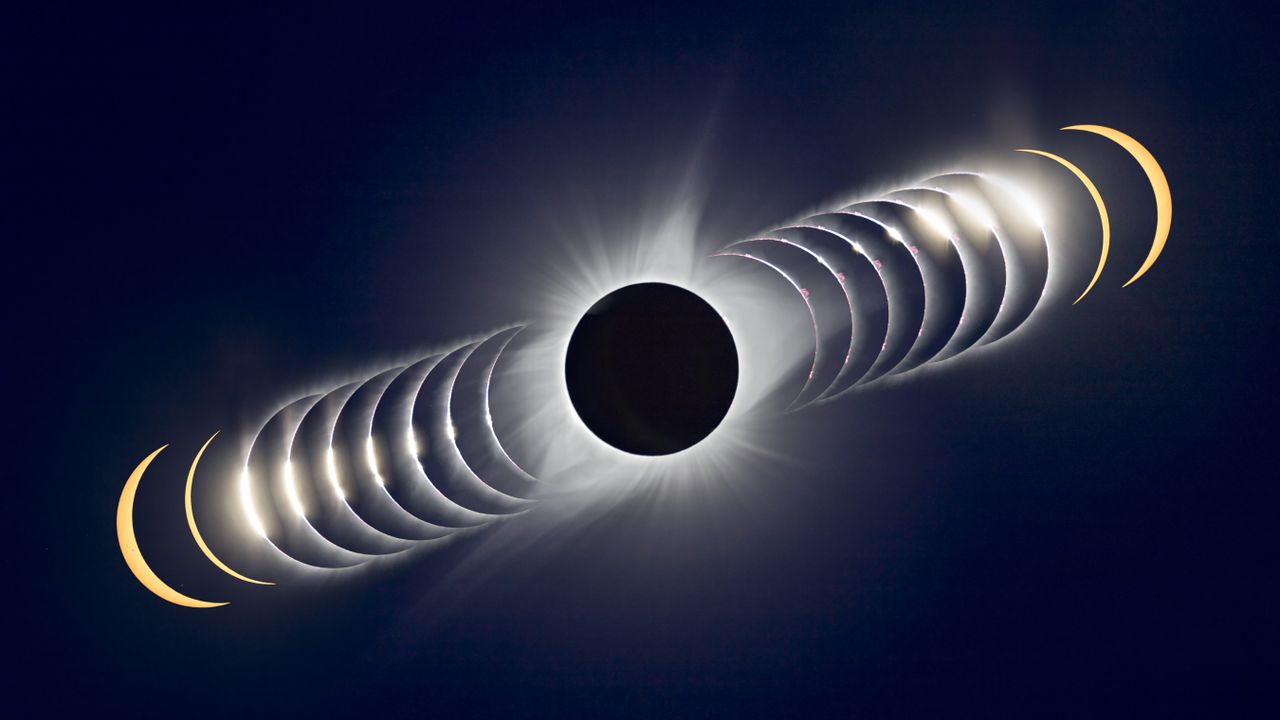
A spectacular near-total lunar eclipse will grace the night skies on August 28, 2026, as the full Sturgeon Moon aligns with Earth and the sun. This celestial event reaches peak illumination at 12:18 a.m. EDT (0416 GMT), offering skywatchers across the Americas, Europe, and Africa a front-row seat to a dramatic cosmic display. As Earth glides between the sun and its natural satellite, it casts a deep shadow that will transform the lunar surface.
Observers will witness up to 96 percent of the lunar disk plunge into Earth's dark inner shadow. At the height of the eclipse, the moon will take on a striking copper-red coloration, leaving only a thin silvery crescent visible on its outer edge. West Coast residents in the United States will see the eclipse already underway as the moon rises on August 27, while East Coast viewers must wait a few hours after sunset for the shadow to appear. Stargazers in Europe and Africa will experience the peak of this orbital alignment during the pre-dawn hours of August 28.
Historically, this full moon carries deep cultural and seasonal significance across various global traditions. Often called the Sturgeon Moon, the name originates from North American Indigenous communities who tracked the seasonal abundance of giant fish in the Great Lakes region. Other Indigenous peoples refer to this period as the Corn Moon or Ricing Moon to mark the late-summer harvest, while the Cree nation calls it the Flying Up Moon, symbolizing young birds taking flight. In English folklore, it is sometimes called the Lightening Moon, a nod to the fierce late-summer thunderstorms.
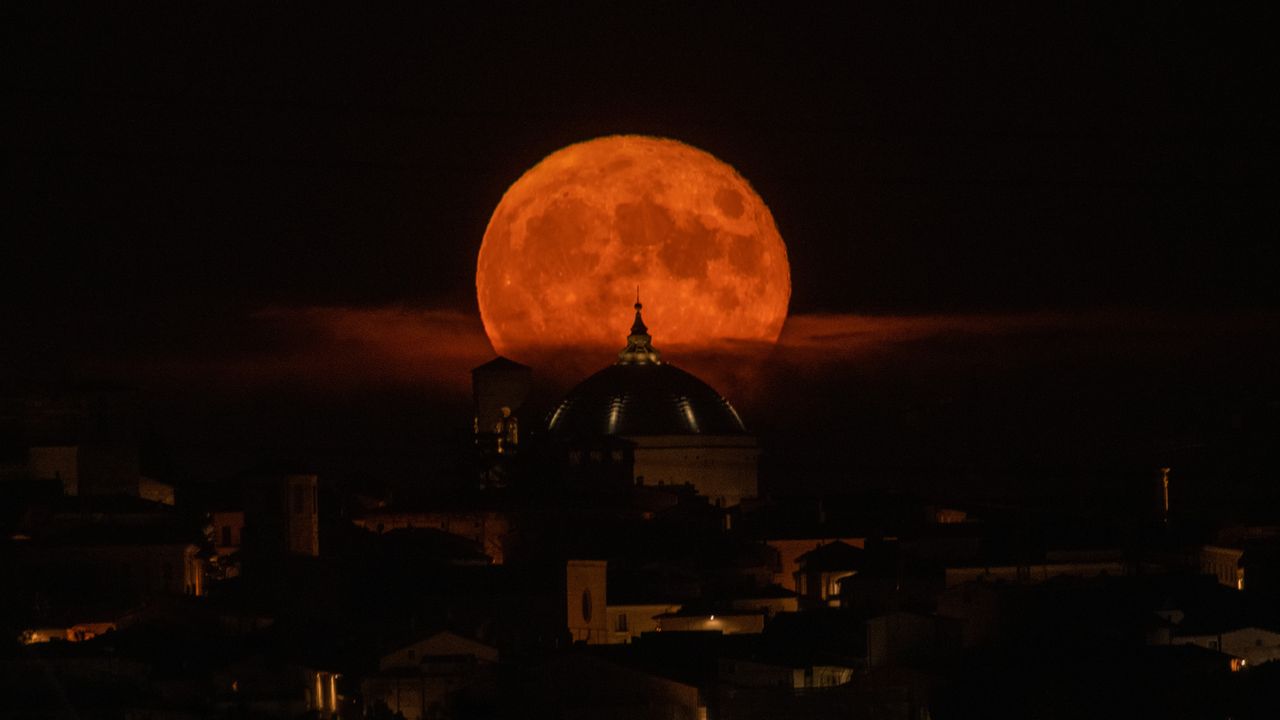
Atmospheric science and optical physics explain the stunning visual transformations that occur during this event. As the moon first emerges over the eastern horizon, it exhibits a warm yellow-orange glow. This coloration results from Rayleigh scattering, where Earth's atmosphere scatters shorter blue wavelengths of light, leaving only the longer red wavelengths. Additionally, the moon will appear deceptively massive near the horizon due to the "Moon Illusion," an optical trick where the human brain misinterprets the size of the lunar disk when contrasted against distant terrestrial objects.
Beyond its scientific allure, the celestial alignment coincides with major cultural celebrations worldwide, amplifying its global significance. Most notably, the August full moon marks the arrival of Raksha Bandhan,
Originally reported by Space.com
What's Your Reaction?
 Like
0
Like
0
 Dislike
0
Dislike
0
 Love
0
Love
0
 Funny
0
Funny
0
 Angry
0
Angry
0
 Sad
0
Sad
0
 Wow
0
Wow
0