



















SpaceX Rocket Moon Crash: Why Falcon 9 is on Collision Course
A SpaceX Falcon 9 rocket stage is set to crash into the moon this week, creating a massive crater. Learn why the abandoned rocket is on a collision course.

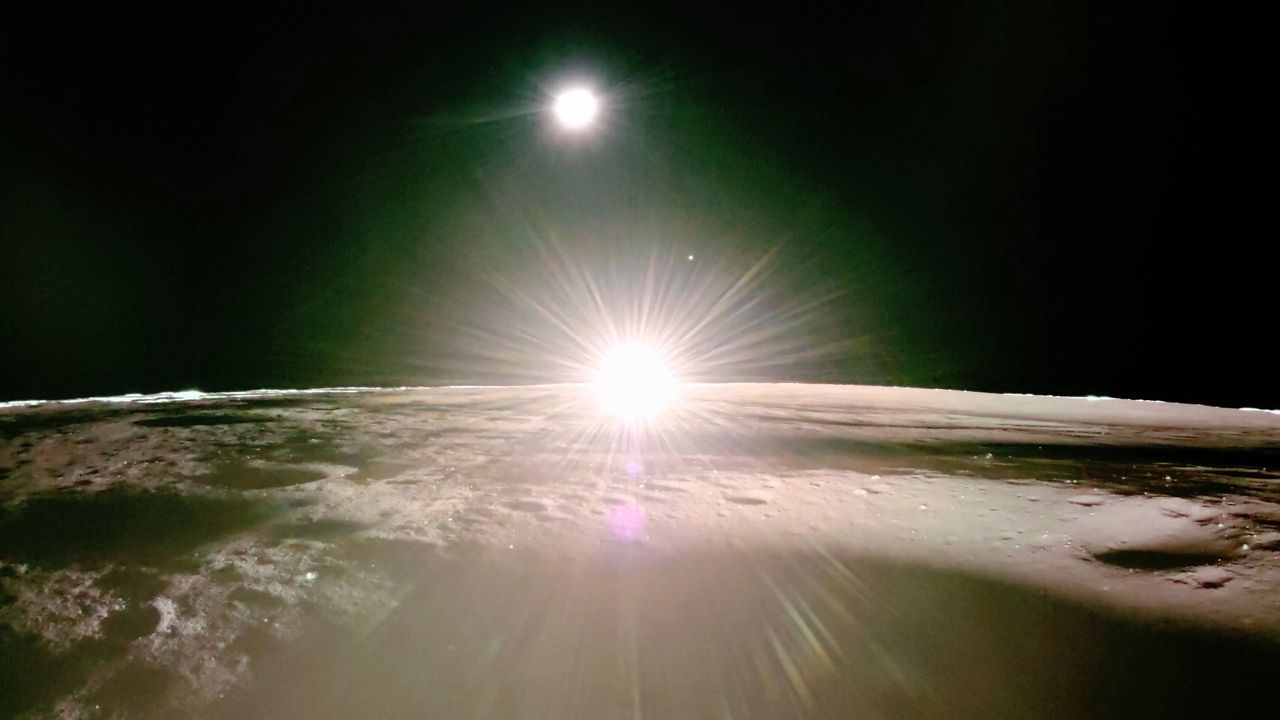
A spent SpaceX Falcon 9 rocket stage is hurtling toward a dramatic collision with the moon on Wednesday, August 5. The massive, 8,800-pound booster will slam into the lunar surface at approximately 2:35 a.m. EDT (0635 GMT), gouging out a fresh crater estimated at 89 feet wide. This high-speed impact marks the final chapter for the abandoned spacecraft component, which has spent the last year and a half drifting through deep space before gravity finally pulled it to its doom.
The massive piece of space junk, weighing about 4,000 kilograms, has spent more than 18 months in a chaotic, moon-crossing orbit. Because the rocket utilized nearly all of its propellant to send its payloads deep into space, operators could not perform the standard controlled atmospheric reentry to safely destroy the stage over Earth. Left adrift, a combination of gravitational pulls from the Earth and moon, along with pressure from solar radiation, gradually nudged the dead booster onto its terminal, kamikaze trajectory.
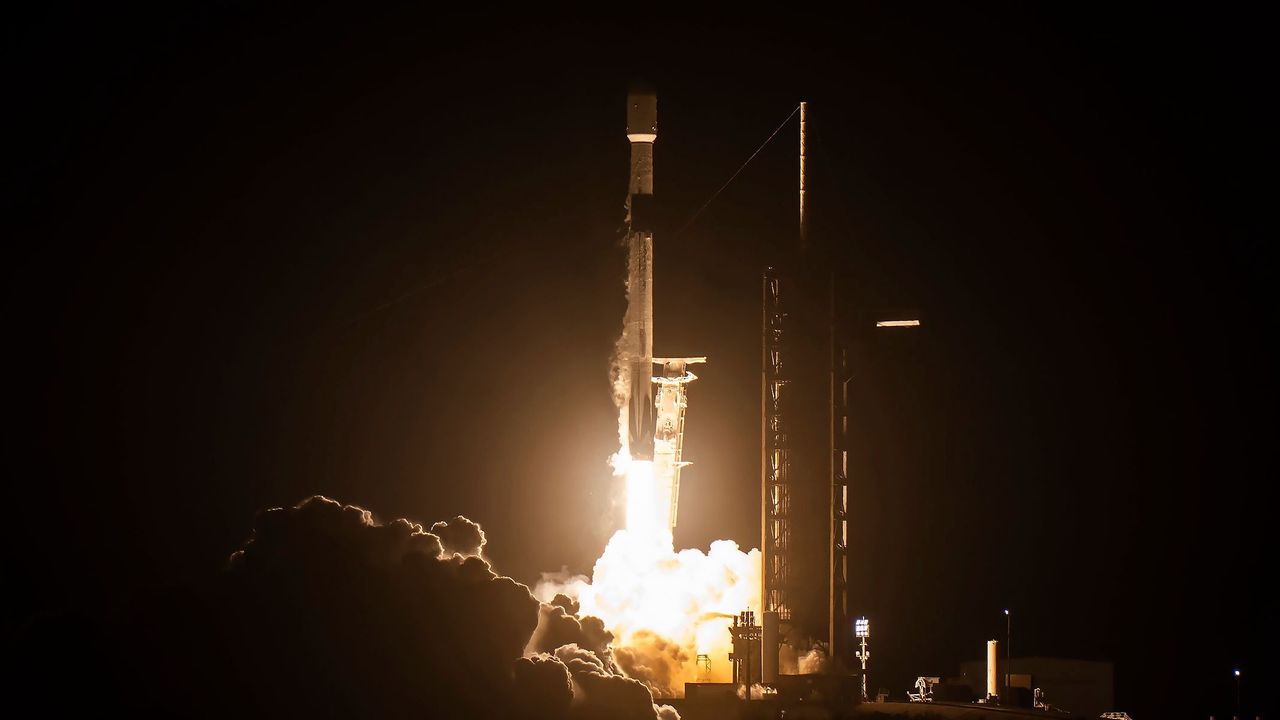
This specific booster originally launched in January 2025, carrying a pair of commercial robotic lunar landers destined for the lunar surface. While one of those landers, Firefly Aerospace's Blue Ghost, achieved a historic successful landing, the other, built by Tokyo-based ispace, unfortunately crashed during its touchdown attempt. While SpaceX routinely recovers and reuses the first-stage boosters of its Falcon 9 rockets, the upper stages are single-use vehicles that typically burn up in Earth's atmosphere immediately after deployment, making this upcoming lunar impact a rare anomaly.
Researchers and astronomers are eagerly preparing to observe the collision, which will occur on the sunlit side of the moon. Although the impact itself will likely be invisible to the naked eye on Earth, powerful ground-based telescopes may capture the resulting plume of dust and debris kicked up by the crash. Scientists plan to use this rare, predictable impact event to calibrate seismic instruments and test data pipelines designed to detect and locate meteorite strikes, turning a piece of space junk into a valuable scientific experiment.
Beyond the immediate scientific data, this event highlights the growing challenge of space debris in the cislunar environment. As more nations and private companies launch missions to the moon, the risk of discarded hardware colliding with the lunar surface increases. Studying how this heavy booster behaves upon impact provides crucial data on the physical hazards that falling space junk poses to future lunar infrastructure, helping engineers design stronger protective shielding.
Understanding these debris hazards is vital as humanity prepares for a permanent return to the moon. Space agencies are currently designing long-term habitats and research outposts, such as those planned for the lunar south pole under the Artemis program. Ensuring the safety of future astronauts and sensitive equipment will require stricter orbital management, better tracking of derelict spacecraft, and a deeper understanding of how discarded technology interacts with the lunar environment.
Originally reported by Space.com
What's Your Reaction?
 Like
0
Like
0
 Dislike
0
Dislike
0
 Love
0
Love
0
 Funny
0
Funny
0
 Angry
0
Angry
0
 Sad
0
Sad
0
 Wow
0
Wow
0