

























Total Solar Eclipse 2026: One Week Until Europe's Big Event
Prepare for the total solar eclipse on August 12, 2026. Follow live updates as the moon's shadow sweeps across Greenland, Iceland, and northern Spain.

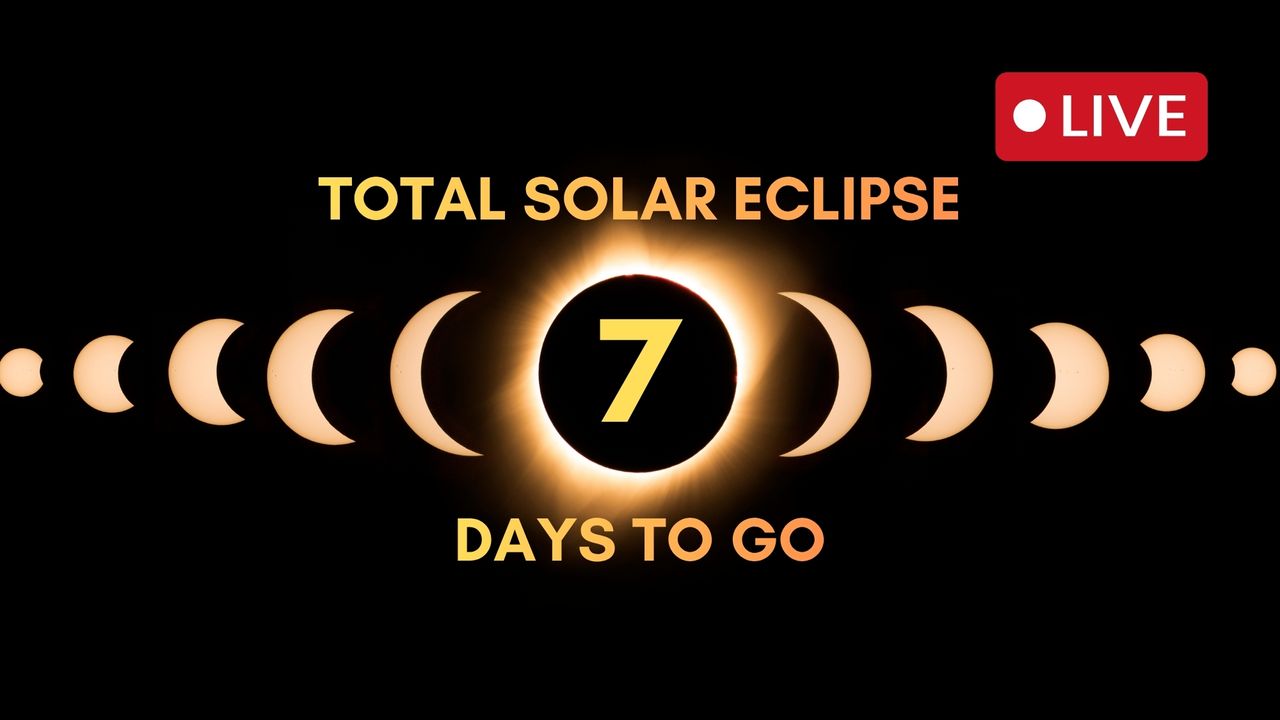
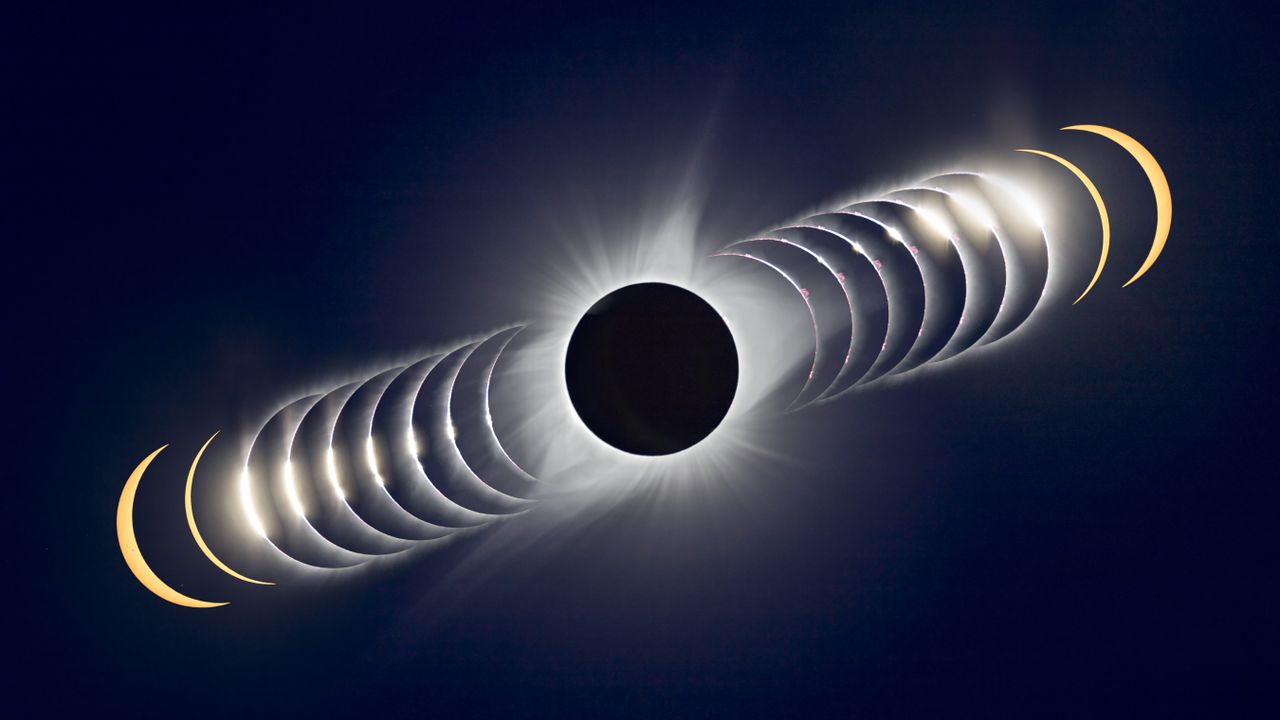
A spectacular total solar eclipse is set to sweep across Europe and the Arctic on August 12, 2026, marking the continent's first such event in over a quarter-century. The narrow path of totality will plunge parts of Greenland, Iceland, northern Spain, and the Balearic Islands into a brief, eerie twilight as the moon completely blocks the face of the sun. Millions of other observers across broader Europe, eastern Canada, and the northeastern United States will also witness a dramatic partial eclipse as the moon appears to take a massive bite out of the solar disk.
Specialized observation teams are already positioning themselves at extreme ends of the path of totality to capture this rare celestial alignment. In the icy north, an expedition vessel is navigating the massive Scoresby Sund fjord system in East Greenland, aiming to capture the moment of totality from deep within the Arctic. Meanwhile, thousands of miles to the south, researchers are gathering in the Spanish municipality of Valoria la Buena, where they will document the eclipsed sun hanging low on the western horizon just moments before sunset.
This highly anticipated event represents Europe's first total solar eclipse since 1999, ending a twenty-seven-year drought of totality for the continent. During these rare occurrences, the moon perfectly aligns between Earth and the sun, casting a fast-moving shadow across the planet's surface. This brief alignment temporarily reveals the solar corona, the sun's elusive and superheated outer atmosphere, which is normally completely obscured by the blinding glare of the solar surface.
Scientific organizations and citizen science projects are mobilizing to maximize the research potential of this brief window. In Spain, the Distributed Eclipse Broadcast initiative is coordinating a vast network of amateur astronomers to capture continuous solar data as the shadow moves across the Iberian Peninsula. These collaborative efforts allow researchers to study the solar corona from multiple vantage points simultaneously, providing crucial insights into solar wind and magnetic activity.
The astronomical event is also triggering a massive wave of global tourism, drawing travelers and scientists alike to the narrow path of totality. Coastal towns in Spain and remote communities in Greenland are preparing for an unprecedented influx of visitors eager to experience the sudden drop in temperature and the strange behaviors of local wildlife during the midday darkness. The sheer scale of the event highlights the growing public fascination with celestial phenomena and the shared human experience of observing the cosmos.
As the final countdown to the eclipse begins, weather conditions remain the ultimate deciding factor for observers hoping to glimpse the corona. Clear skies will determine the success of these highly anticipated expeditions across both the Arctic waters and the Spanish plains. This landmark celestial display will not only advance solar science but will also inspire a new generation of stargazers, leaving a lasting legacy long after the shadow of the moon passes.
Originally reported by Space.com
What's Your Reaction?
 Like
0
Like
0
 Dislike
0
Dislike
0
 Love
0
Love
0
 Funny
0
Funny
0
 Angry
0
Angry
0
 Sad
0
Sad
0
 Wow
0
Wow
0