





















Hiroshima Survivors Warn Against Japan's Military Rearmament
On the anniversary of the atomic bomb, Hiroshima and Nagasaki survivors warn that Japan's recent military buildup risks repeating the mistakes of WWII.

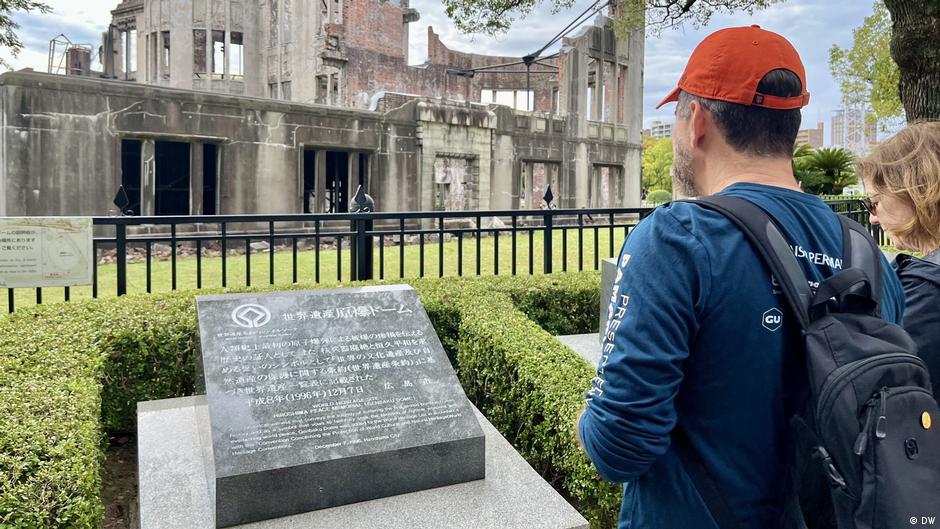
Japan observes the solemn 81st anniversary of the world's first nuclear attack on Hiroshima, gathering to honor the victims and renew calls for global peace. On August 6, 1945, the United States dropped an atomic bomb on the city, instantly killing approximately 80,000 people and leaving a legacy of catastrophic destruction. Three days later, a second atomic bomb devastated Nagasaki, ultimately forcing the end of World War II. Today, citizens and leaders assemble at the peace parks in both cities to remember the lives lost and to warn the world about the enduring dangers of nuclear warfare.
The immediate blasts represent only the beginning of the tragedy, as radiation exposure continues to claim lives decades later. Survivors, known as hibakusha, carry both physical and emotional scars from the day the sky turned to fire. Many who survived the initial explosions as infants and young children later developed severe health complications, including thyroid and laryngeal cancers directly linked to radiation. These survivors recall shattered homes, rains of glass shards, and the sudden, horrific vaporization of entire families, leaving no traces behind.
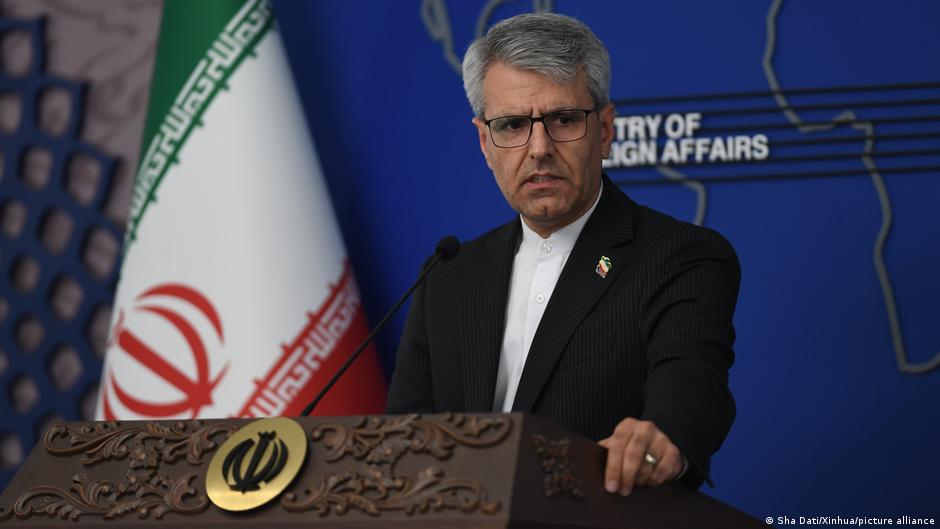
In the aftermath of World War II, Japan adopted a strictly pacifist constitution, renouncing war and earning international trust as a peaceful nation. However, geopolitical dynamics in East Asia are prompting a controversial shift in Tokyo's defense policy. Citing escalating security threats from China, North Korea, and Russia, the Japanese government is rapidly increasing its defense budget. This pivot includes easing historic restrictions on military exports and expanding the operational capabilities of its self-defense forces, marking a significant departure from decades of postwar isolationism.
This militarization sparks fierce criticism from aging survivors who view the current buildup as a dangerous regression. Prominent peace advocates warn that escalating defense spending and relaxing arms export rules mirror the pre-World War II arms race that dragged the nation into catastrophe. Many survivors express deep anger over the government using potential regional conflicts, such as tensions over Taiwan, to justify rearmament. They argue that continuing down this path increases the likelihood of another global conflict, which they fear would inevitably escalate into a devastating nuclear war.
The passage of time adds a profound sense of urgency to these warnings, as the average age of the hibakusha now approaches 87. With the firsthand witnesses of nuclear warfare rapidly passing away, the responsibility of preserving their memories falls to their descendants. Second-generation survivors are now stepping forward to share family testimonies, hoping to convey the absolute horror of atomic weapons to younger generations. These advocates emphasize that nuclear weapons do not just kill; they erase human existence entirely, leaving behind nothing but ash and silence.
Looking ahead, the struggle to maintain a nuclear-free vision faces unprecedented challenges in an increasingly unstable global landscape. Peace activists emphasize that the threat of nuclear annihilation is not a historical relic but an active, present-day danger. They urge the international community to move beyond mere sympathy for past victims and instead cultivate active empathy to prevent future catastrophes. As Japan navigates its changing role on the global stage, the voices of Hiroshima and Nagasaki remain a vital, cautionary guide for a world still teetering on the edge of atomic conflict.
Originally reported by DW News
What's Your Reaction?
 Like
0
Like
0
 Dislike
0
Dislike
0
 Love
0
Love
0
 Funny
0
Funny
0
 Angry
0
Angry
0
 Sad
0
Sad
0
 Wow
0
Wow
0