














Why the US is Sanctioning the International Criminal Court
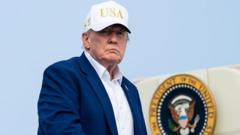
US Secretary of State Marco Rubio announces sanctions against ICC officials, calling the International Criminal Court corrupt and threatening to dismantle it.

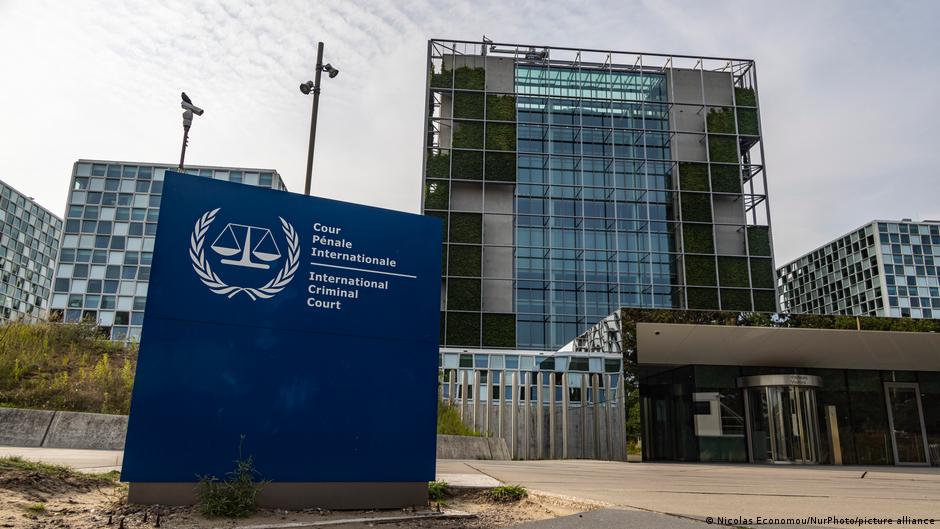
United States Secretary of State Marco Rubio imposes severe financial sanctions on top officials of the International Criminal Court on Tuesday, escalating Washington’s campaign against the global tribunal. The penalties target the court's president, Tomoko Akane of Japan, and senior trial lawyer Abdoulaye Seye of Senegal, freezing their American assets and blocking them from the United States financial system. Rubio denounces the Hague-based institution as a corrupt and highly politicized body that routinely oversteps its legal boundaries and abuses its international authority.
This aggressive move follows recent warnings from American leadership to dismantle the tribunal piece by piece. Beyond individual asset freezes, the State Department is preparing a broader suite of retaliatory measures, including visa bans for court personnel and intensified sanctions against affiliated groups. Furthermore, Washington plans to reevaluate its foreign assistance to countries that refuse to reject the tribunal's authority, effectively using financial leverage to pressure allies and partners into distancing themselves from the court.
Established in 2002 to prosecute individuals for genocide, war crimes, and crimes against humanity, the independent court operates with 125 member nations. Unlike the United Nations' International Court of Justice, which resolves state-to-state conflicts, this body focuses strictly on individual criminal responsibility. Major global powers, including the United States, Russia, and China, have never joined the treaty, shielding their own citizens from direct prosecution while historically supporting the court's foundational goals, which evolved from the post-World War II Nuremberg trials.
Legal analysts observe that this latest escalation represents a dramatic shift from quiet diplomatic maneuvering to an open, coordinated offensive. For over a year, American diplomats have quietly pressured foreign governments to alter their voting patterns and official stances regarding the tribunal. By formalizing these threats into an active public campaign, the administration is now openly recruiting both member and non-member states to join its coalition against the court's judicial reach.
The conflict highlights a fundamental clash between national sovereignty and international justice. Although the United States remains outside the court’s jurisdiction, the tribunal retains the power to prosecute atrocities committed on the territory of its member states. This specific mandate has allowed prosecutors to issue high-profile arrest warrants for leaders of non-member nations, including Russian President Vladimir Putin and Israeli Prime Minister Benjamin Netanyahu, sparking fierce resistance from Washington and its allies.
Looking ahead, this aggressive campaign threatens to fracture international legal cooperation and strain relations between the United States and its democratic allies, many of whom remain staunch supporters of the tribunal. As Washington intensifies its financial and diplomatic pressure, the global community faces a critical test of resolve. The coming months will determine whether the international court can maintain its judicial independence and continue prosecuting global atrocities, or if American opposition will successfully erode the institution's authority and funding.
Originally reported by DW News
What's Your Reaction?
 Like
0
Like
0
 Dislike
0
Dislike
0
 Love
0
Love
0
 Funny
0
Funny
0
 Angry
0
Angry
0
 Sad
0
Sad
0
 Wow
0
Wow
0