














SpaceX Orbital Data Centers Could Create Massive Space E-Waste
SpaceX's plan for a million-satellite AI data center constellation raises major alarms over space e-waste, atmospheric pollution, and ozone depletion.

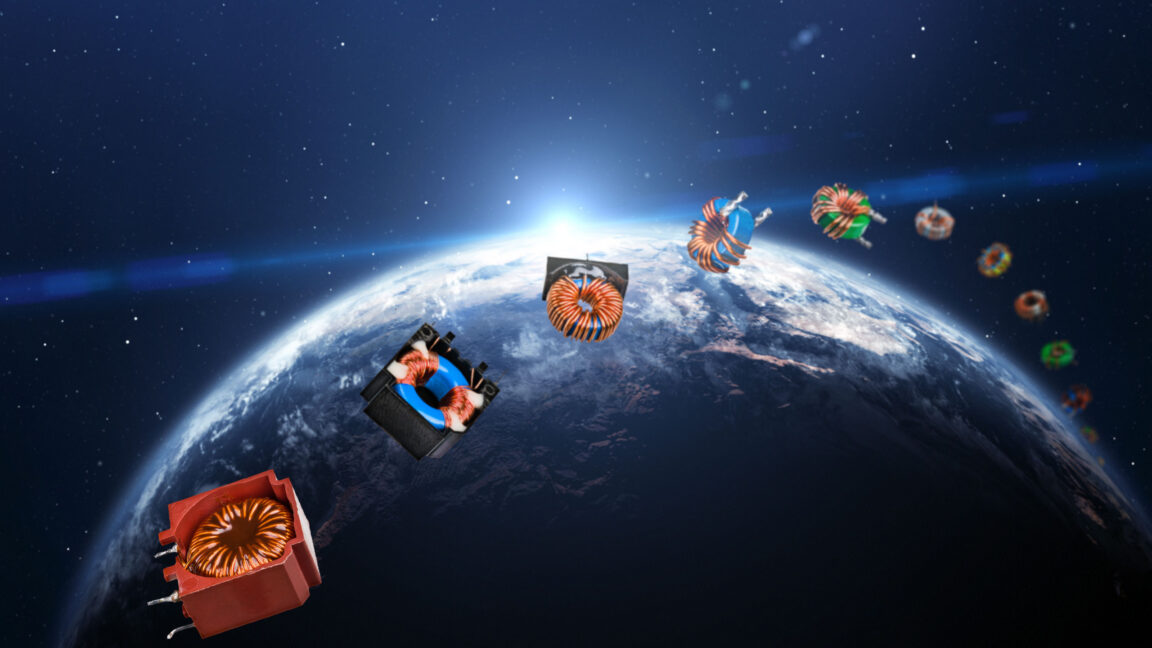
Tech billionaire Elon Musk is planning a massive orbital expansion by proposing a megaconstellation of one million artificial intelligence data center satellites. This unprecedented project aims to position high-powered computing servers directly in low-Earth orbit, transforming how global data is processed. However, the ambitious initiative introduces a radical shift in resource management, marking the first time humanity will export vast quantities of Earth's rarest and most valuable commodities permanently into the cosmos.
Operating these orbital servers requires rapid hardware turnover, as standard graphics processing units possess a brief five-year operational lifespan. Consequently, technicians must decommission approximately 200,000 satellites every year. Regulatory filings indicate that about 40,000 of these retired spacecraft will plunge back into the atmosphere to burn up, scattering vaporized aluminum and potentially damaging the ozone layer. Meanwhile, the remaining 160,000 defunct satellites will migrate further into deep space disposal orbits, permanently removing their valuable components from Earth's recycling pipelines.
Historically, the commercial space sector focuses on the lucrative prospect of mining asteroids to bring precious metals back to Earth. This new venture reverses that dynamic, sending finite terrestrial resources into the void instead. The parent company's existing Starlink network has already doubled the total mass of human-made objects orbiting the planet. This proposed artificial intelligence network will dwarf those current orbital numbers, raising serious questions about the sustainable lifecycle of high-tech manufacturing materials.
Scientific analyses of advanced microchips reveal the staggering physical toll of this orbital migration. Even conservative estimates based on stripped-down processing units show that maintaining this constellation requires launching tons of rare elements annually. The yearly hardware replacement cycle will permanently discard approximately 1,000 tons of copper, nearly two tons of silver, and 170 kilograms of gold. Most alarmingly, the process consumes over two tons of palladium every year, representing roughly one percent of the entire global annual supply of this critical metal.
The environmental and economic consequences of this project stretch from the upper atmosphere to global supply chains. When tens of thousands of satellites burn up during re-entry, they disperse metallic contaminants that linger in the stratosphere for decades, potentially accelerating ozone depletion. Simultaneously, the permanent loss of rare earth elements and precious metals strains terrestrial manufacturing. Industries on Earth must continuously mine new, finite resources to replace the high-tech materials that are cast off into space.
As the demand for artificial intelligence infrastructure intensifies, the tension between technological advancement and environmental stewardship will reach a critical tipping point. Regulators must soon decide whether to permit the massive, permanent export of Earth's resources into orbital graveyards. The success or failure of this space-based data network will ultimately redefine the boundaries of global sustainability, forcing humanity to choose between infinite digital expansion and the preservation of finite planetary wealth.
Originally reported by Ars Technica
What's Your Reaction?
 Like
0
Like
0
 Dislike
0
Dislike
0
 Love
0
Love
0
 Funny
0
Funny
0
 Angry
0
Angry
0
 Sad
0
Sad
0
 Wow
0
Wow
0