












How an Ancient Galaxy Collision Transformed the Milky Way
Scientists discover evidence of an ancient collision between the Milky Way and a dwarf galaxy 11.8 billion years ago, reshaping our cosmic history.

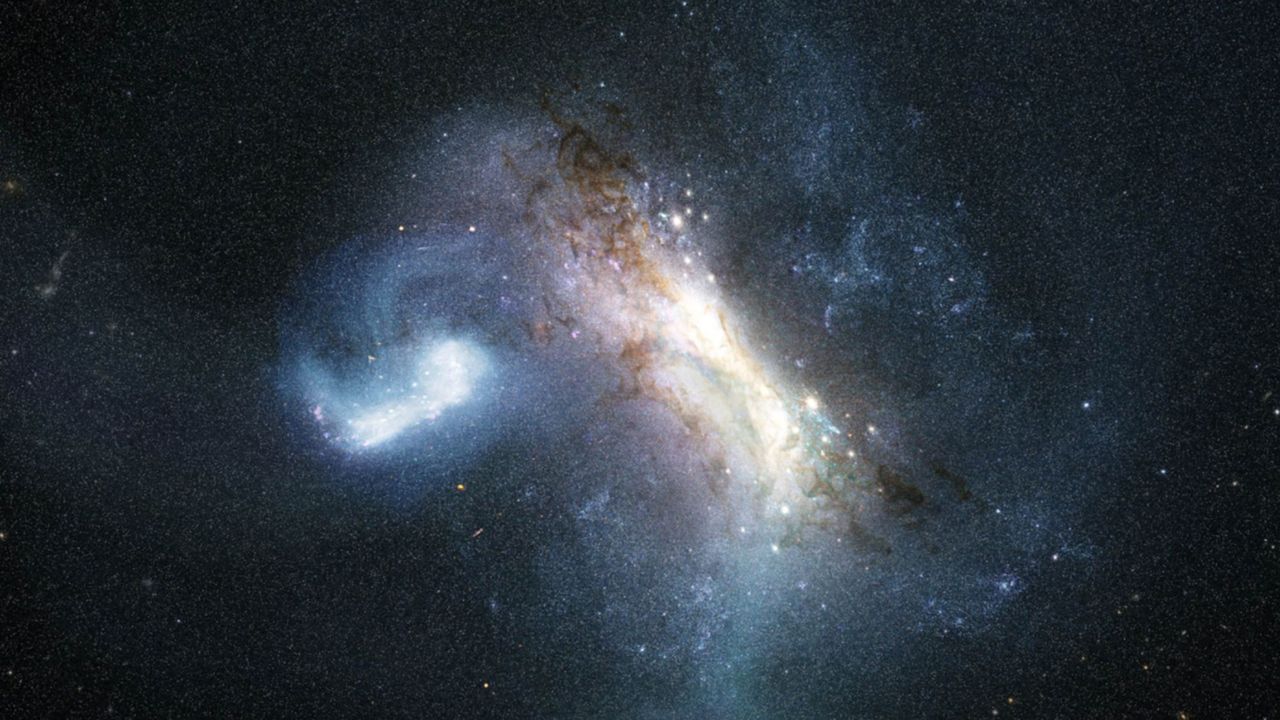
Deep-space observations reveal that the Milky Way experienced a massive collision and merger with an ancient dwarf galaxy approximately 11.8 billion years ago. This cosmic smash-up, identified through data from space telescopes, represents one of the earliest and most significant growth spurts in our galaxy's history. The consumed dwarf galaxy, designated as LKH, provided a crucial foundation for the structural development of the early Milky Way. This discovery reshapes the understanding of how our galactic home formed in the infancy of the universe.
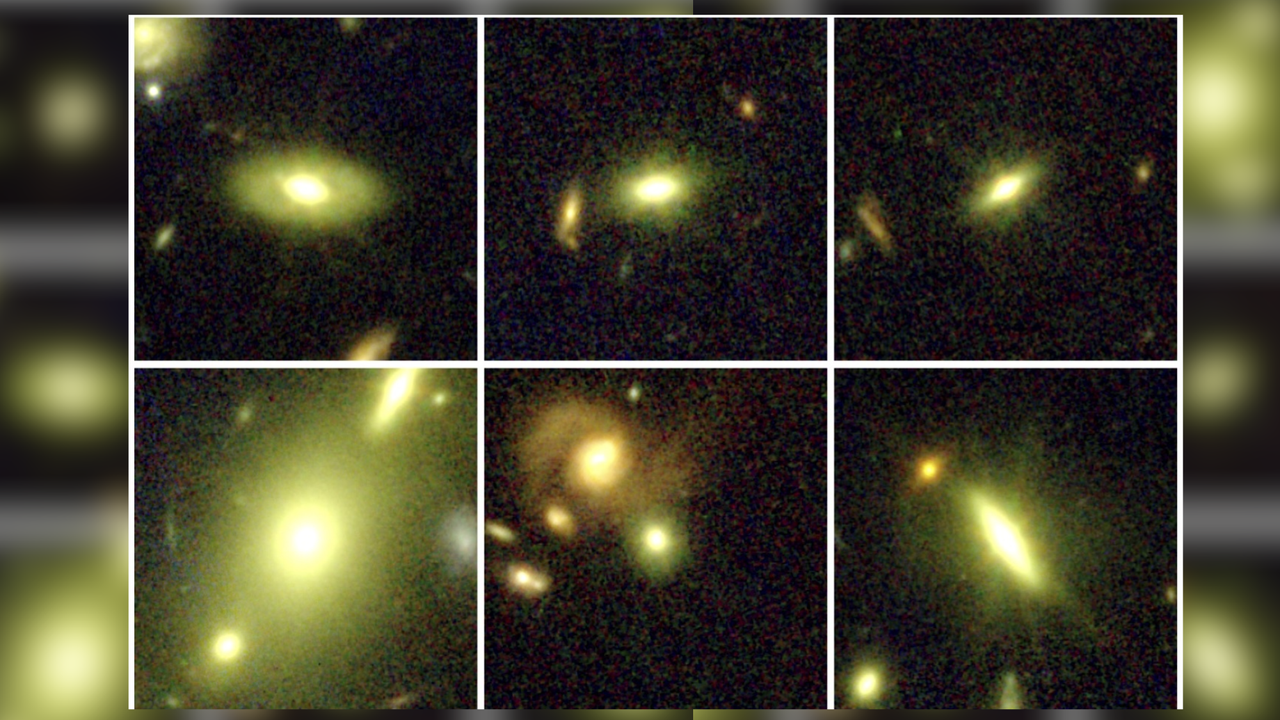
Astronomers pinpointed this ancient merger by analyzing a unique group of globular star clusters that do not originate from our galaxy. These stellar clusters possess a distinct chemical signature, characterized by specific ages and metal content—an astronomical term for elements heavier than hydrogen and helium. Calculations indicate that the LKH galaxy possessed a total mass equivalent to 500 million suns. While this is comparable to some modern dwarf galaxies currently orbiting the Milky Way, it represented a massive influx of stars, gas, and dark matter to our galaxy during that early epoch.
Galactic mergers serve as the primary mechanism for galactic growth across the universe. While astronomers easily observe these collisions occurring in distant sectors of the cosmos, reconstructing the history of our own Milky Way requires meticulous forensic analysis. Prior to this discovery, scientists knew of another major collision with the Gaia-Sausage-Enceladus galaxy, which occurred roughly 10 billion years ago. That event also deposited a family of foreign star clusters into the Milky Way, but the newly identified LKH merger predates that collision by nearly two billion years.
Understanding the origin of these stellar structures is akin to identifying the primary building blocks of a house. The high-resolution imaging capabilities of modern space telescopes allow researchers to measure the ages of these distant star clusters with unprecedented accuracy. By combining these visual details with precise orbital measurements from mapping satellites, it is possible to successfully differentiate between native stars and those captured from external galaxies. This dual-dataset approach provides a clear timeline of when the Milky Way devoured its smaller neighbors.
The timing of the LKH merger is highly significant because it occurred just two billion years after the Big Bang. At this stage in cosmic history, the Milky Way was a fraction of its current size, meaning the incoming dwarf galaxy contributed a substantial percentage of our galaxy's total mass. This early infusion of dark matter, gas, and stars fundamentally altered the evolutionary trajectory of the Milky Way. It establishes a baseline for the minimum size and composition of our galaxy during its formative stages.
Looking ahead, this discovery opens new pathways for mapping the remaining untold chapters of our galactic history. Ongoing and future space missions will continue to scan the fringes of the Milky Way for other hidden populations of immigrant stars. As observational technology advances, astronomers expect to uncover even older and smaller mergers, eventually assembling a complete, step-by-step chronicle of how our cosmic neighborhood evolved from a chaotic cloud of gas into the majestic spiral galaxy we inhabit today.
Originally reported by Space.com
What's Your Reaction?
 Like
0
Like
0
 Dislike
0
Dislike
0
 Love
0
Love
0
 Funny
0
Funny
0
 Angry
0
Angry
0
 Sad
0
Sad
0
 Wow
0
Wow
0