













Trump Threatens to Bomb US Ally Oman Over Iran Negotiations
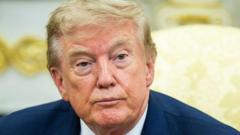
President Trump has threatened to bomb US ally Oman if it interferes with negotiations to reopen the vital Strait of Hormuz amid ongoing US-Iran tensions.

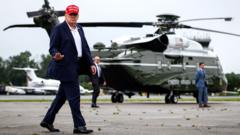
President Donald Trump threatens military action against Oman, warning the long-time American ally of devastating airstrikes if it interferes with unilateral U.S. diplomatic efforts with Iran. The aggressive warning, delivered during a Monday phone interview, comes as both Washington and Muscat engage in separate, competing negotiations with Tehran to reopen the strategically vital Strait of Hormuz. This critical maritime corridor remains largely blocked following six months of intense military conflict between the United States and Iran.
The hostile rhetoric surfaces just hours after Iranian diplomats announce they are on the verge of finalizing an independent transit agreement with Oman. Trump explicitly warns that any Omani interference with his administration's agenda will result in severe bombardment, though he does not clarify what specific actions would trigger such a response. Simultaneously, the American president rules out any extension of the expiring 60-day Memorandum of Understanding that currently governs the fragile ceasefire and negotiation framework between Washington and Tehran.
The current crisis stems from a joint U.S. and Israeli military strike against Iran in February, which prompted Tehran to blockade the Strait of Hormuz. As a vital chokepoint, the waterway typically facilitates the passage of approximately twenty percent of the world's petroleum and liquefied natural gas. Despite maintaining official neutrality throughout the conflict, Oman has sustained multiple military strikes and subsequently assumed a central mediating role, leveraging its shared border along the southern edge of the strait to negotiate a peaceful resolution.
Adding to the diplomatic friction, Trump asserts that his administration maintains a direct, secret communication channel with the Islamic Revolutionary Guard Corps, Iran's dominant military and political branch. Guard officials quickly reject this claim, characterizing the assertion as a desperate fabrication born of military frustration. Meanwhile, Iranian negotiators demand substantial financial compensation from the United States for alleged treaty violations, proposing transit fees of up to seven percent on cargo vessels as a prerequisite for fully reopening the shipping lanes.
The escalating rhetoric and the impending collapse of the bilateral framework threaten to plunge global energy markets into deeper instability. With the Strait of Hormuz closed for nearly half a year, international supply chains face severe disruptions, driving up shipping costs and fueling global inflation. Trump's willingness to threaten a traditional regional ally underscores a dramatic shift in American foreign policy, signaling that Washington is prepared to dismantle established alliances to maintain absolute control over Middle Eastern trade routes.
As the 60-day diplomatic agreement expires without an extension, the risk of renewed, direct military confrontation between the United States and Iran rises significantly. While Oman and Iran prepare to release a joint statement detailing a finalized transit route map, any attempt to implement this plan without American approval could trigger the threatened U.S. military strikes. The coming days will determine whether regional diplomacy can bypass Washington's hardline stance or if the Middle East is heading toward an even broader and more destructive conflict.
Originally reported by BBC World
What's Your Reaction?
 Like
0
Like
0
 Dislike
0
Dislike
0
 Love
0
Love
0
 Funny
0
Funny
0
 Angry
0
Angry
0
 Sad
0
Sad
0
 Wow
0
Wow
0