





















Trump Warns Iran Over Strait of Hormuz as Oil Prices Fall
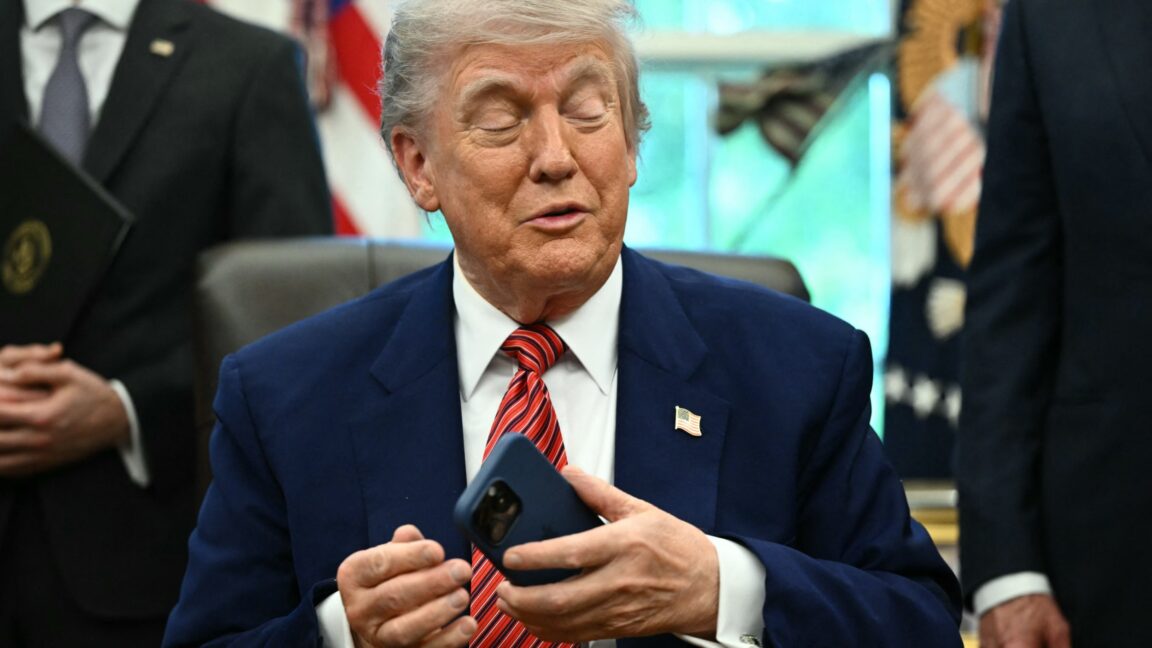
Donald Trump warns Iran will be "hit very hard" if the Strait of Hormuz does not open soon, as progress in diplomatic talks drives global oil prices down.

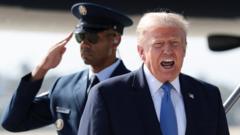
President Donald Trump issues a stark ultimatum to Iran, warning of severe military retaliation if the strategic Strait of Hormuz does not reopen immediately. This high-stakes threat coincides with a sudden drop in global oil prices to a three-week low, driven by growing optimism that diplomatic negotiations might soon restore vital shipping routes. As energy markets react to the potential breakthrough, top American officials signal that a comprehensive deal to resume maritime traffic through the critical waterway could materialize within days.
Benchmark Brent crude falls by nearly five percent to slip below eighty dollars a barrel, while West Texas Intermediate drops to seventy-six dollars, marking the lowest prices since mid-July. US administration officials report significant progress in discussions involving Oman to secure safe passage for commercial vessels. While Washington pushes for complete freedom of movement without Iranian transit fees, negotiators express hope that a formal agreement will stabilize the volatile shipping corridor by the end of the week, allowing cargo vessels to resume normal operations.
The current crisis stems from months of escalating military conflict in the region, which has repeatedly disrupted commercial shipping and driven up consumer fuel costs worldwide. Previous diplomatic efforts to de-escalate the standoff have repeatedly collapsed, fueling intense market volatility and economic uncertainty. Although Tehran refuses to engage in direct talks with Washington, Iranian officials are actively negotiating through Omani intermediaries, while Qatar continues to facilitate back-channel communication to prevent a wider war.
Military realities add urgency to the diplomatic push, as defense reports indicate the United States has nearly exhausted its global supply of long-range precision missiles during the prolonged standoff. Despite these logistical strains, US Central Command maintains a strong defensive posture in the region, confirming that the southern transit route through the strait remains secure and open for commercial traffic. Defense analysts warn that a failure to reach a peaceful resolution could force a costly and unsustainable military intervention.
The geopolitical standoff carries immense stakes for the global economy, as the Strait of Hormuz serves as the primary conduit for approximately twenty percent of the world's petroleum consumption. Any prolonged closure of this maritime choke point threatens to trigger severe energy shortages, disrupt supply chains, and spike inflation across industrialized nations. For everyday consumers, the resolution of this crisis promises immediate relief at the gas pump after months of punishing fuel price hikes.
The coming days will determine whether diplomacy can triumph over the threat of military force in the Middle East. If negotiators finalize a transit agreement, global energy markets are poised to stabilize, paving the way for normalized trade relations and safer international shipping lanes. However, should these fragile talks collapse, the region faces the imminent threat of a devastating military escalation that could permanently reshape global security and economic landscapes.
Originally reported by BBC World
What's Your Reaction?
 Like
0
Like
0
 Dislike
0
Dislike
0
 Love
0
Love
0
 Funny
0
Funny
0
 Angry
0
Angry
0
 Sad
0
Sad
0
 Wow
0
Wow
0