


























Samsung Next-Gen 3D Memory: zHBM and V10 BV-NAND Announced
Samsung announces next-gen 3D memory like zHBM and V10 BV-NAND. While the tech promises massive speed boosts, it is mostly destined for AI data centers.

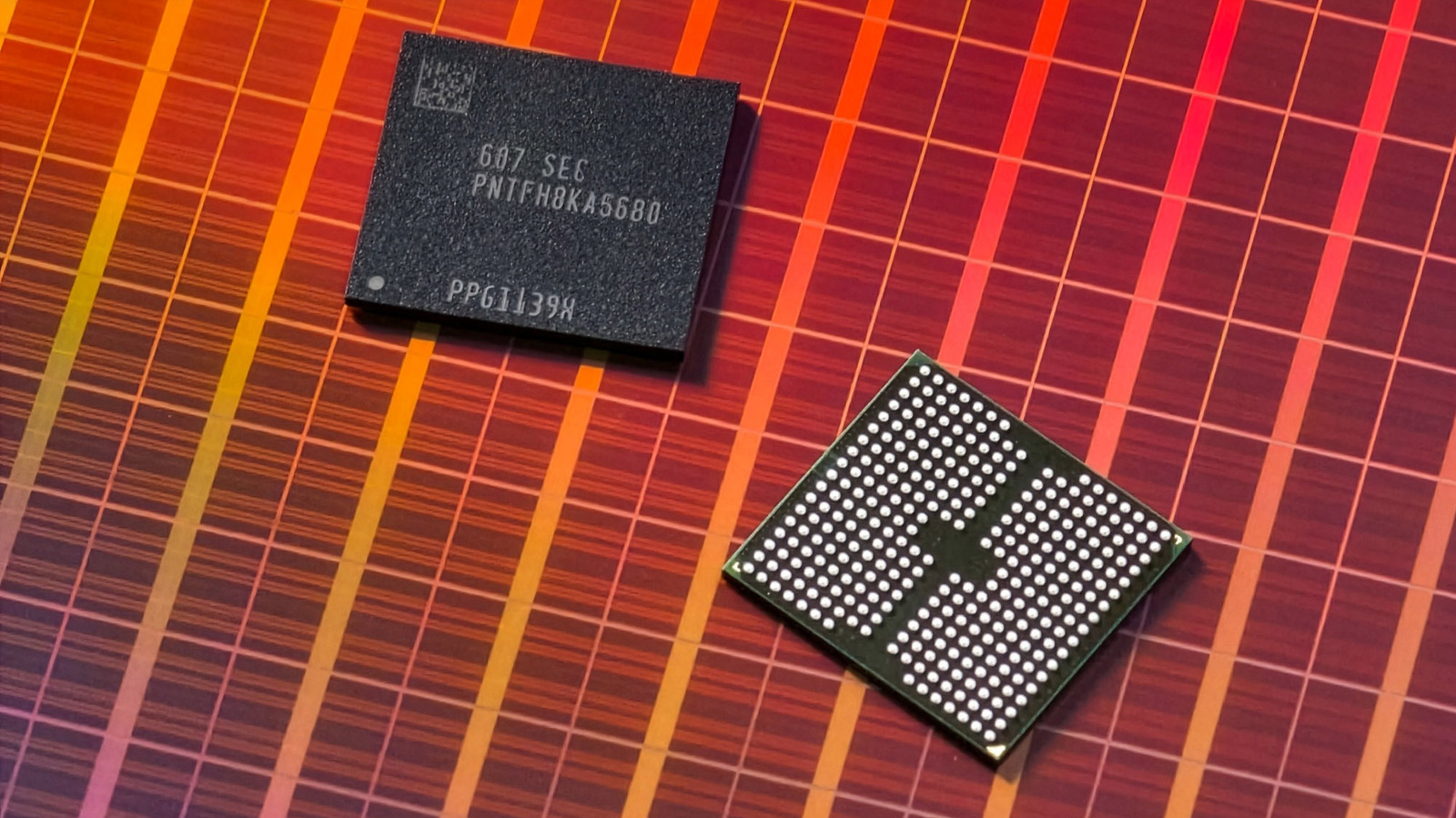
Tech giant Samsung unveils a suite of groundbreaking next-generation memory and storage solutions at the Future of Memory and Storage exhibition in Santa Clara, California. The newly introduced hardware, which includes revolutionary vertical stacking architectures and ultra-dense storage designs, promises unprecedented leaps in processing speeds and energy efficiency. However, unlike previous memory breakthroughs that directly upgraded personal computers, this latest wave of innovation targets the rapidly expanding infrastructure of artificial intelligence data centers.
At the center of the announcement is zHBM, a novel memory architecture that stacks high-bandwidth memory vertically directly on top of AI accelerators, boosting performance eightfold and increasing memory density tenfold. Alongside this, Samsung introduces V10 BV-NAND, a storage technology that stacks more than 400 layers of memory cells to increase density by 58 percent over previous generations. The company also showcases zNAND-O, designed to minimize latency in edge AI environments, and the LPDDR5X-PIM, which integrates data processing capabilities directly into the memory chip to maximize operational efficiency.
Historically, advancements in solid-state drives and high-speed memory translated directly into faster boot times and smoother performance for consumer laptops and gaming rigs. Today, the global semiconductor landscape looks vastly different as the industry pivots to satisfy the insatiable appetite of generative artificial intelligence. Samsung, alongside its primary competitor SK Hynix, controls the vast majority of the global memory market, and both manufacturing giants are shifting their primary focus away from traditional consumer hardware to feed the enterprise AI boom.
Industry analysts note that the relentless demand for AI-capable hardware is placing an unprecedented strain on global semiconductor fabrication plants. Production lines are operating at maximum capacity, yet manufacturers still struggle to produce enough high-bandwidth memory to satisfy tech conglomerates building massive server farms. This intense competition for silicon wafers has created a bottleneck in the supply chain, forcing chipmakers to prioritize high-margin enterprise clients over the consumer retail market.
The consequences of this industrial shift are already rippling through the consumer electronics market, leading to rising prices for everyday devices. As memory manufacturers allocate their premium production capacity to lucrative AI contracts, the supply of standard memory chips for smartphones, laptops, and gaming consoles continues to tighten. Consumers are facing higher retail prices and slower generational upgrades for personal devices, as the components needed to build them are diverted to power cloud-based neural networks.
Looking ahead, the divide between enterprise AI infrastructure and consumer hardware is expected to widen. While the technological achievements showcased in Santa Clara represent a massive leap forward for computational science, everyday users may have to wait years to see these benefits trickle down to personal devices. Until the current AI investment frenzy stabilizes or manufacturing capacity expands significantly, the fastest and most efficient memory on earth will remain locked inside the secure server rooms of tech giants.
Originally reported by Engadget
What's Your Reaction?
 Like
0
Like
0
 Dislike
0
Dislike
0
 Love
0
Love
0
 Funny
0
Funny
0
 Angry
0
Angry
0
 Sad
0
Sad
0
 Wow
0
Wow
0