



























Danube River Drought Reveals Nazi Warship Wrecks from WWII
Severe drought and low water levels in the Danube River have exposed sunken WWII German warships near Serbia, some still carrying dangerous explosives.

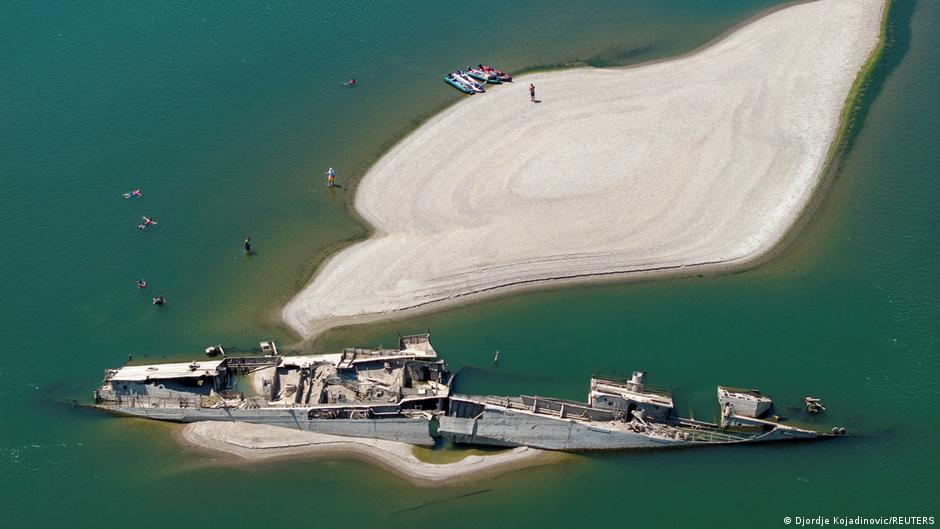
A severe seasonal drought across Europe drops the Danube River to historic lows, exposing dozens of sunken World War II Nazi warships along the Serbian-Romanian border. The skeletal remains of these long-submerged vessels, scuttled decades ago, now sit highly visible near the busy port town of Prahovo. This dramatic and eerie emergence highlights the extreme weather gripping the continent this season, turning a vital shipping artery into an open-air museum of wartime relics.
Among the emerging wreckage, onlookers can clearly see rusted metal hulls, broken masts, and twisted decks jutting out of the shallow, muddy water. These ships belong to the Nazi Germany Black Sea fleet, which retreating officers intentionally scuttled in 1944 to prevent advancing Soviet forces from capturing them. Today, these vessels pose a significant hazard to navigation because many still contain tons of unexploded ammunition and volatile explosives, complicating modern salvage operations in the shallow channel.
For years, the Serbian government has actively sought financial and technical assistance from the European Union to clear the riverbed of these dangerous relics. An estimated several hundred vessels lie scattered along this stretch of the Danube, restricting the navigable channel during dry seasons and creating a bottleneck for trade. However, the delicate task of locating and safely neutralizing the onboard munitions without triggering accidental explosions has stalled recovery efforts for decades, leaving the hazardous fleet largely untouched beneath the surface.
The dropping water levels do more than just reveal history; they threaten modern infrastructure and energy security across Central and Eastern Europe. Low river flows force several regional power plants to scale back operations, pushing them to the brink of complete shutdowns due to a lack of cooling water. Furthermore, the crisis extends far beyond the Danube, as the Rhine River also experiences severe depletion, crippling vital transport networks that major businesses rely on for moving essential goods.
This environmental crisis severely disrupts commercial shipping, tourism, and ferry services along Europe's primary aquatic highways. Cargo vessels must carry fractionally lighter loads to avoid running aground, which drives up transportation costs and delays critical supply chains across the continent. Scientists point to climate change as the driving force behind these increasingly frequent and severe dry spells, which transform seasonal fluctuations into chronic economic and ecological emergencies for the region.
As global temperatures continue to rise, European nations face the urgent task of adapting their maritime infrastructure to a warmer, more unpredictable world. Managing the immediate threat of the exposed warships requires swift, coordinated international action before water levels fluctuate again and submerge the dangers once more. Ultimately, the reappearance of these long-buried relics serves as a stark reminder that the consequences of past conflicts and present environmental neglect are converging on Europe's drying riverbanks.
Originally reported by DW News
What's Your Reaction?
 Like
0
Like
0
 Dislike
0
Dislike
0
 Love
0
Love
0
 Funny
0
Funny
0
 Angry
0
Angry
0
 Sad
0
Sad
0
 Wow
0
Wow
0