
.jpg)
















Kashmir Protests: Inside the Deadly Clashes in Rawalakot
Discover the grim reality inside Rawalakot, Kashmir, where deadly clashes between protesters and security forces have left makeshift clinics overwhelmed.

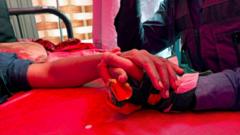
Violent clashes between security forces and local demonstrators in Rawalakot, Pakistan-administered Kashmir, leave dozens dead and scores injured as tensions boil over during the regional election cycle. Members of the Joint Awami Action Committee face off against heavily armed government forces in a confrontation that has escalated dramatically over the last two months. The unrest turns the scenic mountain territory into a battleground, with local residents caught in the crossfire of a dispute over basic civil rights and economic survival.
On the ground, makeshift medical facilities struggle to cope with the influx of critically wounded patients suffering from live ammunition fire. In one makeshift clinic operating near the main protest site, volunteers treat dozens of young men with severe gunshot wounds using rudimentary supplies. Many victims, primarily between the ages of 15 and 35, arrive with life-threatening injuries to vital organs, yet they refuse to seek treatment at state-run hospitals due to widespread fears of immediate arrest or targeted violence by authorities.
The roots of the current crisis trace back to long-standing economic grievances and a perceived failure of governance in the region. Demonstrators initially took to the streets to demand affordable food staples like flour, fair electricity pricing, and better access to education and healthcare. Although the government signed an agreement with protest leaders last October to address these concerns, activists argue the state has failed to implement any meaningful reforms, prompting the current wave of mass mobilization.
Medical professionals operating in the conflict zone warn that local healthcare infrastructure is on the verge of collapse under the weight of the casualties. Doctors on the front lines report that while they can administer basic first aid and dress minor wounds, they lack the advanced surgical equipment necessary to save those with penetrating chest and abdominal trauma. Meanwhile, government officials defend their crackdown, asserting that the protest group is an illegal, foreign-funded entity intent on disrupting the democratic process and sabotaging the ongoing elections.
This escalating violence highlights a deep and dangerous chasm of mistrust between the population of Pakistan-administered Kashmir and the state apparatus. The ban on the activist coalition and the subsequent label of terrorism applied to its members have only hardened the resolve of the protesters, who maintain their movement is entirely peaceful and self-funded by the global diaspora. As roads remain blocked and security forces restrict movement, the humanitarian toll rises, leaving families to mourn young lives lost in the struggle for basic amenities.
Looking ahead, the potential for further bloodshed remains high as protesters vow to march toward the regional capital of Muzaffarabad to press their demands. With the government refusing to yield and maintaining a heavy security presence to block any advancement, the region stands on the precipice of a wider civil conflict. Unless both sides find a path back to the negotiating table to address the core economic grievances, the cycle of protests and violent state retaliation is likely to intensify, casting a long shadow over the territory's political future.
Originally reported by BBC World
What's Your Reaction?
 Like
0
Like
0
 Dislike
0
Dislike
0
 Love
0
Love
0
 Funny
0
Funny
0
 Angry
0
Angry
0
 Sad
0
Sad
0
 Wow
0
Wow
0