

.jpg)














Washington Wildfires: Spokane Fires Force 60,000 Evacuations
Devastating wildfires in Spokane, Washington have destroyed 600 structures and forced 60,000 evacuations, burning over 1,000 square kilometers.

A relentless onslaught of wildfires sweeps across Washington state, scorching more than 1,000 square kilometers (386 square miles) of terrain and leaving emergency services scrambling to control the fast-moving flames. Dry conditions and volatile winds fuel multiple blazes that continue to burn out of control, threatening rural communities. Local authorities deploy hundreds of firefighters to the front lines as the state faces one of its most challenging environmental crises of the summer. With several major incidents still completely uncontained, emergency teams work around the clock to establish defensive perimeters.
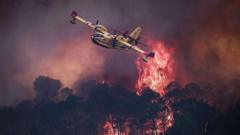
The crisis spans multiple counties, with the most severe damage concentrated in the heavily forested regions of eastern Washington and the Cascade Range. Fire behavior remains highly unpredictable, characterized by rapid crown fires that jump from treetop to treetop. Incident commanders report that containment percentages on the largest blazes remain dangerously low due to steep, inaccessible terrain that prevents ground crews from safely reaching the flames. Aerial tankers and helicopters drop thousands of gallons of water and retardant in a desperate bid to slow the advance.
This devastating situation follows months of below-average precipitation and record-breaking summer temperatures that have turned the Pacific Northwest’s lush landscapes into a tinderbox. Historically, Washington's fire season peaks in late summer, but a combination of winter droughts and early spring heatwaves has extended the danger window. Over the past decade, the region has witnessed a dramatic increase in both the frequency and intensity of wildland fires, transforming what was once a seasonal concern into a year-round threat. Decades of aggressive fire suppression have also left forests overloaded with dry underbrush.
Meteorologists and forestry experts warn that the current weather pattern offers little relief, as high-pressure systems continue to trap hot, dry air over the region. Analysts note that moisture content in local vegetation has plunged to historic lows, meaning even a single spark can instantly trigger a major conflagration. In response to the escalating danger, state officials activate emergency protocols, mobilizing the National Guard to assist with logistics while requesting mutual aid from neighboring states. Meanwhile, air quality experts issue health advisories as wind currents push dense smoke into major cities.
The immediate consequences of the fires extend far beyond the blackened landscapes, forcing thousands of residents to flee their homes under urgent evacuation orders. Thick, acrid smoke blankets the state, reducing visibility and forcing schools and businesses to close. The economic impact is severe, disrupting timber harvesting, halting agricultural operations, and devastating the local tourism industry. Furthermore, the destruction of vital wildlife habitats threatens vulnerable species, while the loss of forest canopy raises serious concerns about soil erosion and future mudslides when winter rains arrive.
Looking ahead, the road to recovery will be long and arduous as containment efforts are expected to drag on for weeks. Fire crews prepare for a protracted battle, knowing that only a significant, season-ending weather event with sustained rainfall will fully extinguish the deepest hot spots. Communities must now adapt to a new reality of heightened vigilance, investing in fire-resistant infrastructure and enhanced emergency preparedness. As the immediate threat persists, the focus remains on
Originally reported by Al Jazeera
What's Your Reaction?
 Like
0
Like
0
 Dislike
0
Dislike
0
 Love
0
Love
0
 Funny
0
Funny
0
 Angry
0
Angry
0
 Sad
0
Sad
0
 Wow
0
Wow
0