


.jpg)



















Ceuta Migrant Deaths Rise to 72 After Morocco Border Surge
Five more bodies have been recovered along the coast of Ceuta, bringing the migrant death toll to 72 after an unprecedented border surge from Morocco.

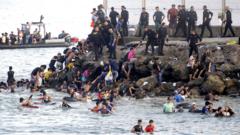
Emergency services in the Spanish enclave of Ceuta recover five more bodies along the rocky coastline this week, marking a grim escalation in the humanitarian crisis following an unprecedented surge of migrants crossing the border from Morocco. Rescue teams locate the deceased individuals in the waters surrounding the North African territory, highlighting the extreme dangers facing those who attempt the perilous maritime crossing. Local authorities deploy marine patrols to search the shoreline as the enclave grapples with the aftermath of one of the largest border breaches in its recent history.
The victims, believed to be young sub-Saharan and Moroccan nationals, apparently drowned while attempting to swim around the maritime border fences that separate Morocco from the European Union territory. Strong currents, cold water temperatures, and treacherous rocky outcrops along the Ceuta coast turn the short swim into a deadly trap for desperate travelers. Forensic teams work to identify the remains, while emergency responders continue to patrol the beaches, fearing that more bodies may wash ashore in the coming days as the tides shift.
Ceuta, alongside its sister enclave Melilla, represents the only land border between the European Union and Africa, making both territories prime targets for migrants seeking a better life in Europe. Over the past several weeks, thousands of people have gathered on the Moroccan side of the border, waiting for opportunities to scale the high double-fences or swim around the breakwaters. This latest surge follows a sudden relaxation of border controls on the Moroccan side, which triggered a massive influx of thousands of migrants, overwhelming local infrastructure and prompting Spain to deploy military forces to restore order.
Humanitarian organizations warn that the lack of safe and legal pathways for migration inevitably drives people into the hands of human traffickers and onto increasingly dangerous routes. Human rights advocates point out that the militarization of the border does not deter those fleeing poverty, conflict, or political instability, but instead forces them to take greater risks. Meanwhile, diplomatic negotiations between Madrid and Rabat continue to focus on strengthening border security and accelerating the repatriation of those who successfully cross, though critics argue these measures fail to address the root causes of the migration crisis.
The ongoing crisis places an immense strain on Ceuta's public services, particularly its temporary reception centers and healthcare facilities, which are operating far beyond their intended capacities. The local government struggles to provide adequate shelter, food, and medical care to the thousands of arrivals, many of whom are unaccompanied minors. This situation fuels intense political debate within Spain and the wider European Union regarding border management, human rights obligations, and the responsibility of member states to share the burden of frontline migration.
As the immediate chaos subsides, the long-term outlook remains highly uncertain, with both Spanish and Moroccan authorities pledging to increase cooperation to prevent future mass crossings. Security forces maintain a heightened state of alert along the border fences and coastal waters, anticipating further attempts as weather conditions change. Ultimately, the tragic loss of life along the Ceuta coastline serves as a stark reminder that until comprehensive regional strategies are established, the dangerous waters of the Mediterranean will continue to claim the lives of those seeking refuge.
Originally reported by Al Jazeera
What's Your Reaction?
 Like
0
Like
0
 Dislike
0
Dislike
0
 Love
0
Love
0
 Funny
0
Funny
0
 Angry
0
Angry
0
 Sad
0
Sad
0
 Wow
0
Wow
0