













Wenger: Scrapping FIFA Private Investment Plan Was Necessary
Arsene Wenger supports the decision to scrap FIFA's controversial private investment plan, calling it "absolutely necessary" for football's integrity.

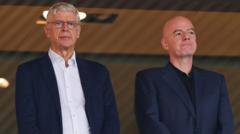
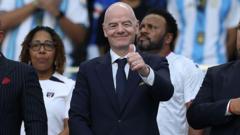
FIFA officially scraps a highly controversial proposal to introduce private investment into its flagship tournaments, including the World Cup, following a severe backlash from continental confederations. FIFA President Gianni Infantino withdraws the plan after European governing body UEFA and its 55 member nations threatened a total boycott of all global competitions. The sudden collapse of the multi-billion-dollar commercial scheme marks one of the most significant political defeats for the global governing body's current leadership.
Under the abandoned initiative, Infantino aimed to establish a new commercial subsidiary to manage FIFA's premier events, allowing external investors to purchase equity stakes. To secure backing, leadership offered each of FIFA’s 211 member associations a lucrative $40 million payout. However, the proposal triggered immediate internal and external revolt. Arsene Wenger, FIFA’s chief of global football development, distances himself from the project, stating he only learned of the plan through media reports and calling the decision to withdraw it absolutely necessary to protect the organization's independence.
Wenger, the former Arsenal manager who joined FIFA in 2019 to oversee youth tournaments and data analysis, previously supported other controversial reforms, including the failed push for a biennial World Cup. This latest commercial venture, however, pushed the governing body into unprecedented legal jeopardy. UEFA has already issued a document preservation letter to 18 high-ranking FIFA officials, including Wenger, signaling potential legal action over how the secret negotiations were conducted behind closed doors.
The fallout has already claimed high-profile casualties within the organization's executive ranks. Carlos Cordeiro, Infantino’s senior adviser on global strategy, resigned in protest, labeling the investment scheme a bad deal that would mortgage the future of the sport. Meanwhile, FIFA Secretary General Mattias Grafstrom, a longtime ally of Infantino, expressed dismay in an internal memo to staff, describing the chaotic week of negotiations as difficult to comprehend and accept while urging employees to remain focused on serving the global game.
This failed power grab exposes deep divisions at the very top of international sports governance and severely damages the credibility of FIFA's leadership. By attempting to privatize parts of the World Cup, the administration risked surrendering regulatory control to corporate entities, a move critics argue would have compromised the integrity of global football. The swift defeat of the project demonstrates the immense leverage held by European nations, whose refusal to participate effectively vetoes any unilateral financial restructuring by FIFA.
Moving forward, FIFA faces the arduous task of rebuilding trust with its member associations and restoring internal stability after weeks of political turmoil. The governing body must now navigate the preparation for upcoming tournaments under intense scrutiny from both legal authorities and the public. As the dust settles on this failed commercial experiment, the focus shifts back to traditional governance models, with stakeholders demanding greater transparency to ensure the sport remains free from unchecked commercial exploitation.
Originally reported by BBC Sport
What's Your Reaction?
 Like
0
Like
0
 Dislike
0
Dislike
0
 Love
0
Love
0
 Funny
0
Funny
0
 Angry
0
Angry
0
 Sad
0
Sad
0
 Wow
0
Wow
0