
















Israel Military Opens Criminal Probes Into Gaza Attacks
The Israeli military will launch criminal investigations into two deadly Gaza attacks, including the death of five-year-old Hind Rajab, amid global outcry.


The Israeli military launches formal criminal investigations into two devastating wartime incidents in the Gaza Strip: the 2024 death of five-year-old Hind Rajab and the 2025 killing of 15 Palestinian paramedics. This decision, announced on Wednesday, follows an extensive internal review of numerous operational events during the ongoing conflict. While these two high-profile cases move toward potential prosecution, the military simultaneously declines to launch criminal inquiries into three other lethal strikes that claimed the lives of international humanitarian aid workers.
Military officials examined approximately 150 distinct incidents involving troops operating within the Palestinian enclave before finalizing decisions on five specific cases. The newly initiated criminal probes will focus exclusively on the tragic circumstances surrounding the young girl and the medical personnel. Conversely, the military command rules out criminal prosecutions for three separate attacks that resulted in the deaths of aid workers affiliated with prominent global charities, including World Central Kitchen and Doctors Without Borders, sparking immediate scrutiny over the criteria used to select cases for deeper legal accountability.
The investigations unfold against a backdrop of intense global scrutiny and mounting pressure on Israel to account for civilian casualties in the blockaded territory. The death of Hind Rajab, who spent her final hours trapped in a car pleading for rescue amidst gunfire, became a powerful symbol of the conflict's human toll and ignited international outrage. Similarly, the targeting of medical staff and emergency responders has repeatedly drawn condemnation from human rights organizations, who emphasize that healthcare workers receive protected status under international humanitarian law during active conflicts.
Legal experts and human rights advocates often view internal military self-investigations with skepticism, arguing that independent tribunals are necessary to ensure true accountability. The decision to bypass criminal charges in the strikes against international aid groups raises significant concerns among global humanitarian organizations, which have repeatedly demanded transparent investigations into the deaths of their personnel. Critics argue that failing to prosecute those responsible for the deaths of foreign and local aid workers perpetuates a culture of impunity and further endangers those delivering life-saving assistance in active combat zones.
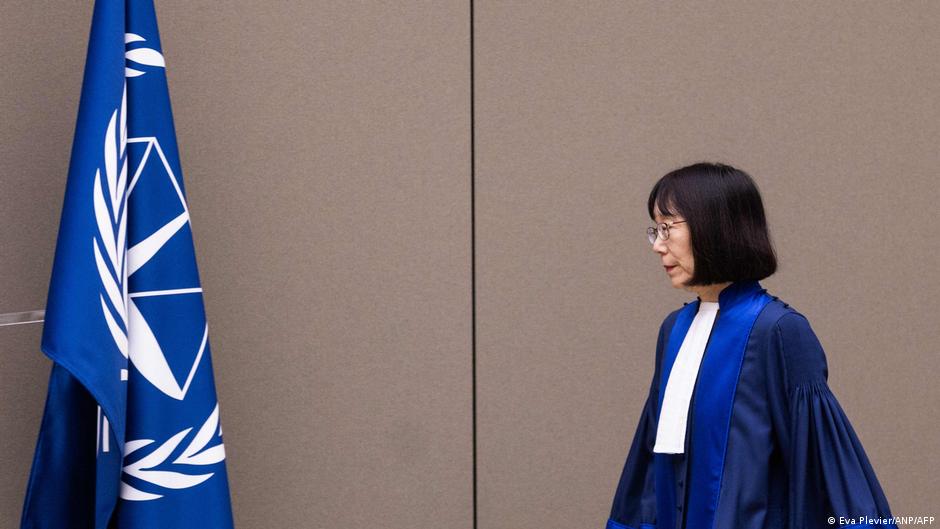
This development carries profound implications for the geopolitical landscape and the ongoing legal battles in international courts. By initiating these criminal probes, the military attempts to demonstrate a functioning domestic legal system capable of prosecuting its own forces, a key defense against external prosecution by bodies like the International Criminal Court. However, the selective nature of these investigations threatens to deepen the rift between military authorities and the international humanitarian community, which relies on absolute safety guarantees to continue operations in devastated regions.
Looking ahead, the progress of these criminal investigations will remain under a global microscope as observers watch for tangible legal outcomes, such as formal charges or trials. The findings could reshape military engagement rules and influence how future operations are conducted in densely populated civilian areas. As the conflict persists, the international community will likely maintain rigorous pressure on all parties to uphold international law, ensuring that the victims of these tragic events are not forgotten in the broader geopolitical struggle.
Originally reported by DW News
What's Your Reaction?
 Like
0
Like
0
 Dislike
0
Dislike
0
 Love
0
Love
0
 Funny
0
Funny
0
 Angry
0
Angry
0
 Sad
0
Sad
0
 Wow
0
Wow
0