

















Spain to Transfer 500 Vulnerable Migrant Youths From Ceuta
Spain announces a plan to transfer 500 vulnerable unaccompanied migrant children, mostly girls, from the Ceuta exclave to mainland care facilities.

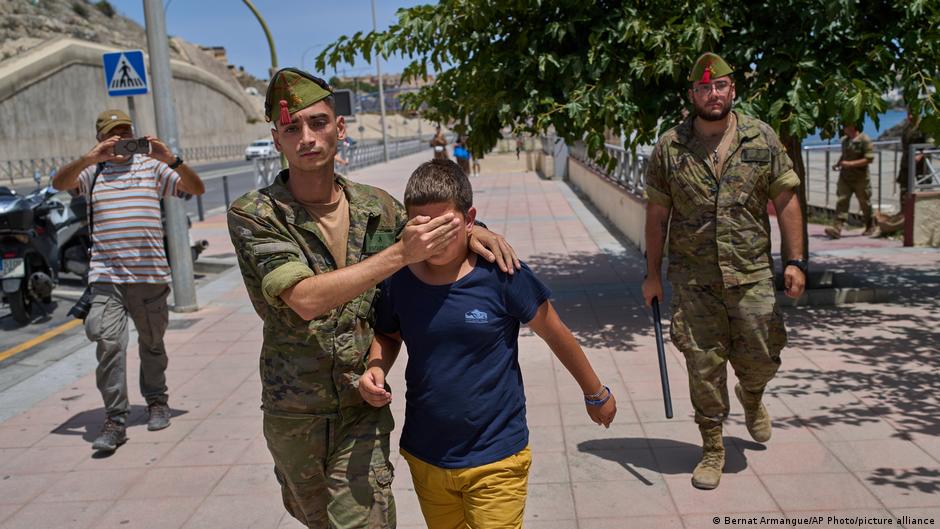
Spanish authorities are launching an urgent initiative to relocate approximately 500 highly vulnerable unaccompanied migrant children from the North African exclave of Ceuta to the Spanish mainland. The emergency plan focuses primarily on young girls who recently crossed the border and are currently living in precarious conditions. This strategic transfer aims to place these minors into specialized care facilities and foster homes across various Spanish regions immediately.
Under the newly designed framework, child protection organizations on the mainland will directly receive and care for the youth in specialized facilities. This administrative mechanism bypasses the traditional, lengthy process of transferring legal custody to regional governments, allowing Ceuta to retain guardianship during the transition. A binding royal decree will mandate all Spanish regions to participate in this solidarity-based reception program. Currently, nearly 100 girls between the ages of 9 and 17 have already been moved to temporary transit centers as they await their flights to the mainland.
The humanitarian crisis unfolded rapidly following a massive border influx on July 30, when an estimated 80,000 migrants crossed from Morocco into the tiny Spanish territory of Ceuta. While the vast majority of these individuals eventually returned to Morocco, approximately 5,000 migrants remain stranded in the exclave. Among those left behind are more than 2,000 unaccompanied minors whom national police identified on the streets and handed over to local authorities, severely overwhelming the city's limited social services and infrastructure.
Humanitarian advocates emphasize that the primary welfare of these children must remain the absolute priority during this logistical operation. Advocates warn that hundreds of young migrants continue to wander the streets of Ceuta without supervision, facing severe health risks in unsanitary environments. Rapid and accurate identification of these minors is critical to ensuring they receive proper legal protection and psychological support. Experts stress that the current street conditions pose an immediate threat to the physical and mental well-being of these young people.
This relocation strategy represents a significant shift in how Spain manages migration pressures at its borders, emphasizing collective regional responsibility over localized containment. By distributing the humanitarian burden across the entire nation, the government prevents the complete collapse of Ceuta's social welfare system. The focus on young girls highlights a growing recognition of the unique vulnerabilities female minors face during irregular migration journeys. This coordinated effort establishes a precedent for cooperative crisis management between national ministries, regional authorities, and non-governmental organizations.
Looking ahead, the successful integration of these 500 children depends on the long-term funding of mainland foster networks and the efficiency of the new legal framework. As the initial groups prepare for departure, Spanish officials are working to streamline the identification process for the remaining minors still living on the streets. The upcoming royal decree will test the political unity of Spain's autonomous regions in addressing ongoing migration challenges. Ultimately, this initiative seeks to transition these vulnerable youths from a state of survival on the streets to a stable environment where they can rebuild their lives.
Originally reported by DW News
What's Your Reaction?
 Like
0
Like
0
 Dislike
0
Dislike
0
 Love
0
Love
0
 Funny
0
Funny
0
 Angry
0
Angry
0
 Sad
0
Sad
0
 Wow
0
Wow
0