


















Dell XPS 13 (2026) Review: A Budget MacBook Neo Competitor
Read our Dell XPS 13 (2026) review to see if this $700 Windows laptop can challenge the MacBook Neo despite its 8GB RAM and mechanical trackpad.

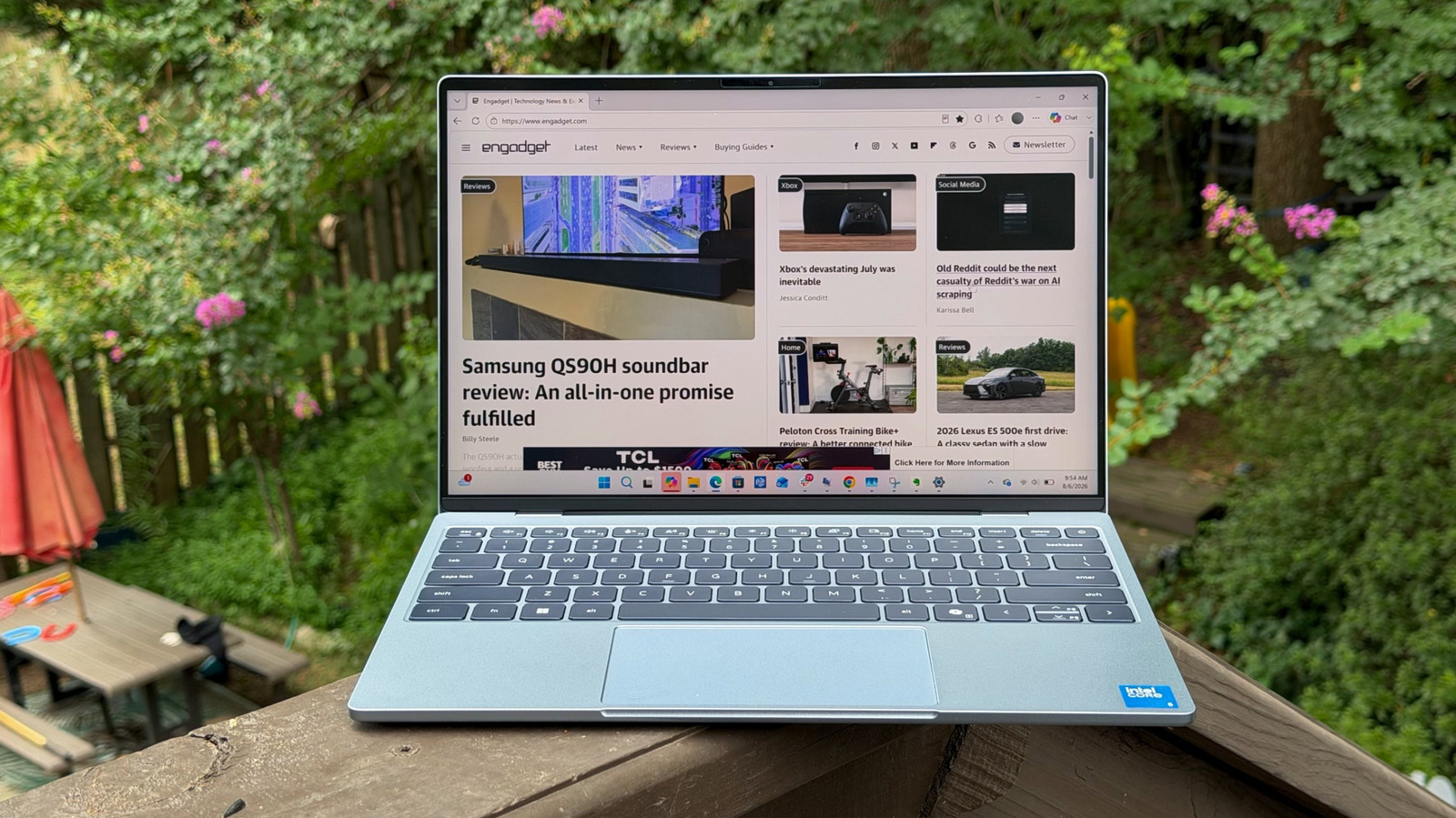
Dell introduces its thinnest and lightest laptop yet, a redesigned XPS 13 that targets the budget-friendly ultraportable market with a starting price of 700 dollars. This new device weighs just 2.2 pounds and measures 12.7 millimeters thick, positioning it as a direct competitor to Apple's similarly priced MacBook Neo. To achieve this aggressive price point, the tech giant delivers a highly portable machine that makes several hardware compromises, most notably a return to a base memory configuration of eight gigabytes of RAM.
The sleek laptop features a sturdy, all-metal aluminum chassis that eliminates the typical body flex found in budget computers, though its aesthetic resembles the mainstream Inspiron line rather than its premium predecessors. Under the hood, a highly efficient Intel Core processor powers the system, sacrificing raw speed compared to previous generations to prioritize battery life. Users interact with a fast 120-hertz display, but they must also contend with a traditional mechanical trackpad, which replaces the smoother haptic trackpads found on Dell's more expensive models.
This strategic shift represents a massive departure from recent XPS 13 iterations, which historically commanded premium prices starting between 1,300 and 1,400 dollars. Those older models boasted high-end features like edge-to-edge keyboards and invisible trackpads, elements now reserved for the larger XPS 14 and XPS 16 models. By lowering the entry barrier, the manufacturer fills a glaring gap in its lineup, providing a sub-1,000-dollar option for consumers who want premium branding without the premium price tag.
Technology analysts express concern over the decision to ship a baseline Windows 11 machine with only eight gigabytes of system memory. While Apple successfully optimizes its macOS to run smoothly on identical memory limits, Windows 11 demands more resources for fluid multitasking and long-term viability. Rising global component costs likely forced this hardware regression, making the eight-gigabyte model a risky investment for anyone planning to keep the computer for more than a couple of years.
Despite these limitations, the machine represents a significant milestone for Windows users seeking a lightweight, affordable alternative to Apple's dominant ultraportables. It successfully challenges the MacBook Neo by offering a lighter frame and a faster screen refresh rate at an identical price point. For budget-conscious buyers who refuse to switch operating systems, this device stands out as the most viable option currently available, proving that high-quality construction can exist at lower price tiers.
Looking ahead, the success of this device will likely depend on whether consumers opt to spend extra money to upgrade the memory to sixteen gigabytes. As software applications become increasingly resource-heavy, baseline configurations will face intense scrutiny, potentially forcing manufacturers to abandon the eight-gigabyte standard entirely. For now, this bold pricing strategy sets a new benchmark for the entry-level laptop market, forcing rivals to reconsider how they balance cost, performance, and build quality in future designs.
Originally reported by Engadget
What's Your Reaction?
 Like
0
Like
0
 Dislike
0
Dislike
0
 Love
0
Love
0
 Funny
0
Funny
0
 Angry
0
Angry
0
 Sad
0
Sad
0
 Wow
0
Wow
0