

















DeepMind AI WeatherNext Predicts Hurricanes a Day Earlier
Google DeepMind’s WeatherNext AI predicts hurricanes with unprecedented accuracy, giving forecasters an extra day to prepare for catastrophic storms.

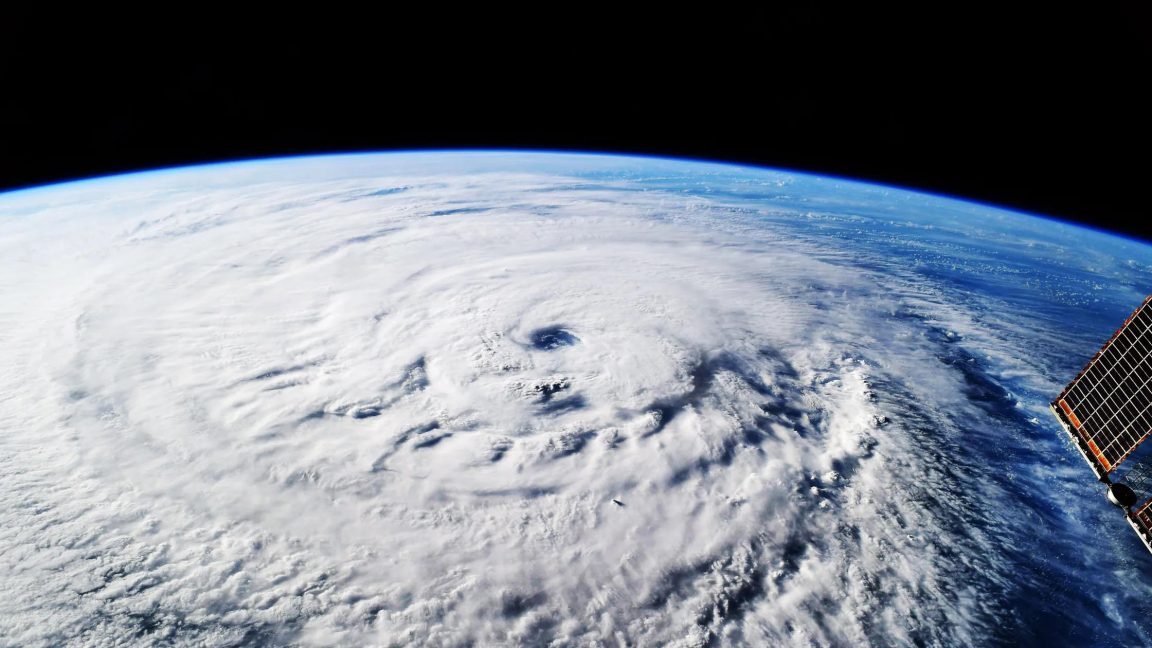
In October 2025, a revolutionary artificial intelligence model successfully predicted the devastating path and intensity of Hurricane Melissa five days before it struck Jamaica. While traditional meteorological tools struggled to determine whether the developing Caribbean storm would dissipate near Haiti or strengthen into a major threat, the advanced system, known as WeatherNext, forecast with eighty percent confidence that a Category 5 monster would make landfall. This early warning allowed Jamaican communities to prepare for the catastrophic landslides and flooding that followed, marking a historic milestone in meteorology.
Newly published scientific research reveals that this AI-driven forecasting tool outperforms existing meteorological systems by providing an entire extra day of advanced warning. Specifically, the model's predictions three days prior to a storm's arrival match the accuracy levels that traditional systems can only achieve two days out. This breakthrough represents a massive leap forward, as historically, securing an additional twenty-four hours of reliable forecast lead time requires an entire decade of scientific and technological development.
Developing artificial intelligence for extreme weather prediction presents unique hurdles because machine learning algorithms require vast amounts of historical data to learn effectively. Since catastrophic cyclones are fortunately rare, researchers face a severe shortage of specific storm data. To overcome this obstacle, developers trained the system to master both everyday global weather patterns and rare tropical cyclones simultaneously, allowing the model to leverage abundant general atmospheric data to sharpen its extreme weather predictions.
Predicting a hurricane requires analyzing atmospheric physics across vastly different scales, a task that previously stumped early AI models. Forecasting a storm's physical track demands global-scale data, such as prevailing winds and cold fronts, while predicting its wind intensity requires highly localized information regarding ocean temperatures and immediate atmospheric conditions. While older digital models can map a storm's path with reasonable accuracy, they consistently struggle to predict sudden changes in intensity, which often dictate the difference between a mild storm and a deadly disaster.
The practical implications of gaining a twenty-four-hour advantage are immense for emergency managers and coastal populations. In the high-stakes environment of disaster response, even a few hours of extra notice can save countless lives. Emergency personnel utilize this critical window to organize massive evacuations, position emergency supplies, and dispatch rescue resources to high-risk zones. Having more reliable, early information prevents the costly and dangerous errors associated with false alarms or delayed evacuations.
As climate change continues to fuel more intense and unpredictable storms, the integration of AI into global weather forecasting promises to redefine disaster preparedness. Future iterations of these models will likely offer even greater precision, transforming how nations brace for natural disasters. By turning complex global data into actionable early warnings, technology is shifting the balance of power, giving vulnerable communities the precious time they need to survive the planet's most violent tempests.
Originally reported by Ars Technica
What's Your Reaction?
 Like
0
Like
0
 Dislike
0
Dislike
0
 Love
0
Love
0
 Funny
0
Funny
0
 Angry
0
Angry
0
 Sad
0
Sad
0
 Wow
0
Wow
0