

















Framework Customer Data Exposed in Metabase Security Breach
Laptop maker Framework notified customers of a data breach via provider Metabase. Exposed data includes names and emails, but payment info is safe.

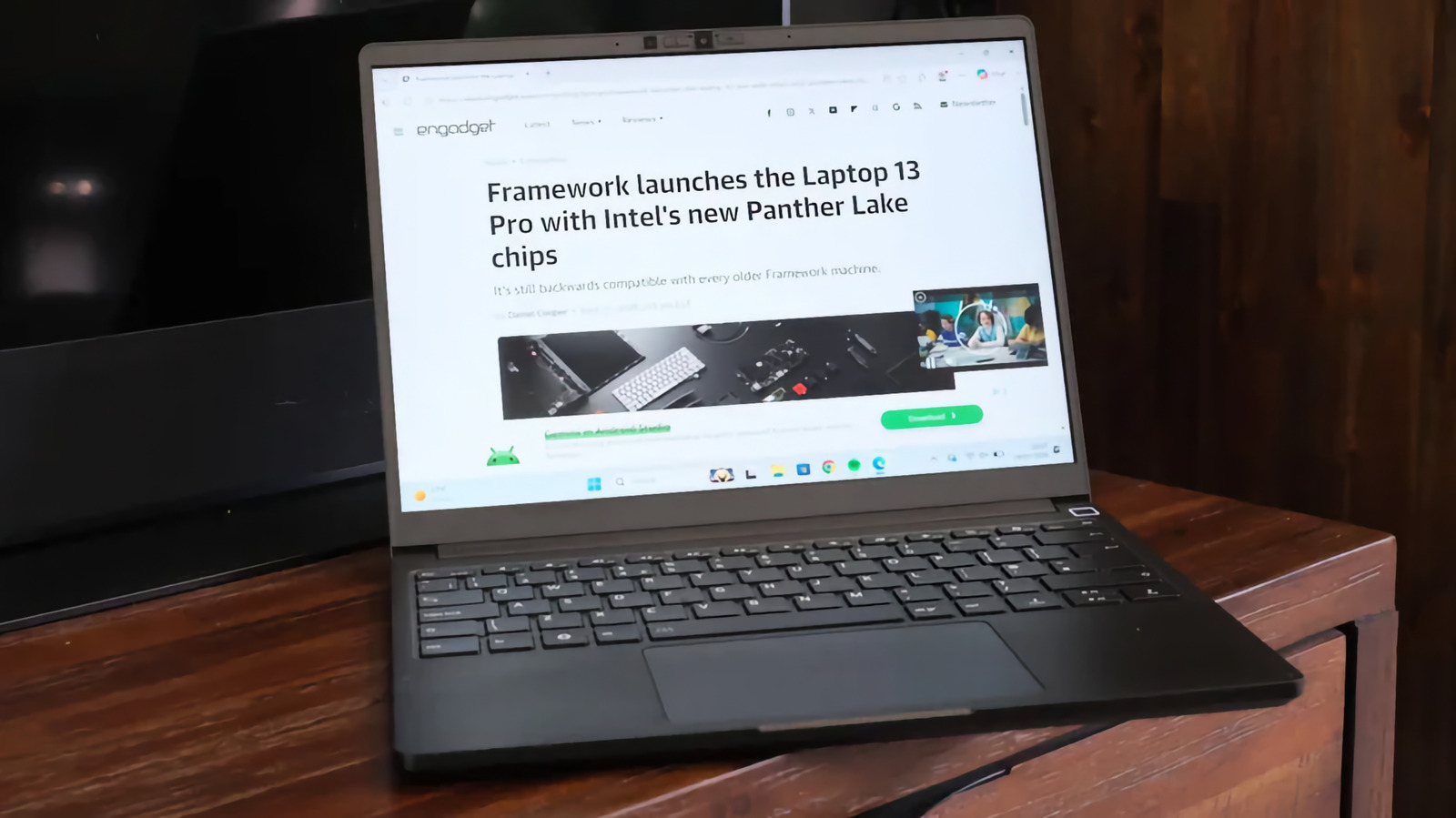
Consumer electronics manufacturer Framework, renowned for its highly repairable and modular laptops, is currently notifying its entire customer base of a significant data breach. On August 6, the hardware company revealed that unauthorized actors successfully compromised its external business database provider, Metabase, exposing sensitive user information. The compromised data includes customer names, email addresses, physical shipping addresses, phone numbers, and login IP addresses. Crucially, financial details and credit card information remain safe and were not accessed during the security incident.
The security breach originated on August 3 when an intruder exploited a previously unknown zero-day vulnerability to infiltrate Metabase's systems. Upon discovering the intrusion, the database provider immediately deployed a security patch to close the exploit and secure the affected infrastructure. In immediate response to the alert, Framework rotated its system credentials and conducted a thorough internal audit. This audit successfully confirmed that no unauthorized administrative changes occurred and that the breach did not extend to any internal systems outside of the Metabase platform.
Framework has built a dedicated following in the technology sector by offering customizable, easily repairable laptops designed to counter the electronics industry's trend toward planned obsolescence. This consumer-first philosophy relies heavily on brand transparency and trust, making the security of customer data a paramount concern for the growing company. Metabase serves as a critical data visualization and business intelligence tool for the computer maker, acting as a repository for the customer metrics that were ultimately targeted in this cyberattack.
A third-party digital forensics firm is currently conducting a comprehensive investigation to determine the full scope and origin of the cyberattack. While current findings and security recommendations remain preliminary, cybersecurity experts emphasize that zero-day exploits present a persistent threat to even well-defended networks. The incident highlights the inherent risks modern hardware companies face when outsourcing data management to third-party software vendors, where a single software vulnerability can compromise multiple downstream clients.
This security setback arrives at an incredibly challenging moment for the computer manufacturer, which is already grappling with severe macroeconomic headwinds. A persistent global memory shortage has disproportionately impacted the company's supply chain, forcing price increases in both January and March. Furthermore, supply constraints recently compelled the firm to ship its highly anticipated Laptop Pro preorders with less RAM than originally advertised, forcing the company to issue refunds to dissatisfied buyers and straining customer goodwill.
Moving forward, the company is actively redesigning its data management protocols to prevent similar third-party failures. Engineers are conducting a comprehensive review of how customer information is stored and processed across all external database vendors to establish more robust security barriers. As the hardware startup works to rebuild consumer trust, its ability to secure its supply chain and fortify its digital infrastructure will decide whether it can maintain its position as a viable alternative to mainstream tech giants.
Originally reported by Engadget
What's Your Reaction?
 Like
0
Like
0
 Dislike
0
Dislike
0
 Love
0
Love
0
 Funny
0
Funny
0
 Angry
0
Angry
0
 Sad
0
Sad
0
 Wow
0
Wow
0