
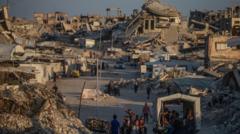



















WHO Chief Tedros Visits Jordan to Strengthen Health Collaboration
WHO Chief Dr Tedros visits Jordan to praise King Abdullah II and the nation's vital healthcare support for millions of refugees and evacuated Gaza patients.


The head of the World Health Organization, Dr. Tedros Adhanom Ghebreyesus, arrives in Jordan for a high-profile, two-day state visit to strengthen healthcare partnerships and address regional humanitarian crises. Today, Tedros meets with King Abdullah II in Amman to discuss critical health initiatives, including universal health coverage and emergency medical responses for refugees and conflict victims. This pivotal visit underscores Jordan's central role in global health diplomacy and its ongoing efforts to provide life-saving medical care to vulnerable populations across the Middle East.
During the first day of his tour, the global health chief visits a specialized hospital to meet with frontline medical workers and young patients evacuated from Gaza. Many of these children are receiving intensive treatment for severe trauma, cancer, and other life-threatening conditions. Tedros also convenes a summit with international donors, United Nations agencies, and philanthropic organizations to secure funding for Jordan's healthcare infrastructure. Additionally, bilateral talks with Jordan’s Minister of Health focus on accelerating universal health coverage and expanding local medical services.
Jordan remains a cornerstone of humanitarian relief in the region, currently hosting more than three million refugees, primarily from Syria and Palestine. To address the escalating crisis in Gaza, the nation established a dedicated medical corridor designed specifically to transport critically ill and injured children to Jordanian hospitals. Furthermore, the country has long been a pioneer in integrating mental health services into its primary healthcare system, ensuring that psychological support is accessible to both citizens and displaced populations as part of routine medical care.
Public health leaders emphasize that Jordan’s proactive approach serves as a global blueprint for crisis response and healthcare integration. By embedding mental health into standard clinical settings, the country aligns with international frameworks like the Special Initiative for Mental Health. Experts note that sustaining these comprehensive programs requires robust, continuous financial backing from the global community. The collaboration between international health agencies and Jordanian authorities highlights how strategic investments in local health systems can yield significant regional stability and save countless lives.
This diplomatic engagement elevates the visibility of the Middle East's ongoing humanitarian needs and validates Jordan's massive financial and social contributions to refugee care. By showcasing the success of the medical evacuation corridor, the visit demonstrates the feasibility of safe humanitarian passages during active conflicts. It also reinforces the principle that health is a fundamental human right, even under the most challenging geopolitical circumstances. The partnership signals to the international community that supporting host nations is vital to preventing regional healthcare collapses.
Looking ahead, the collaboration aims to secure long-term funding to solidify Jordan's primary healthcare network and expand mental health services. As the state visit concludes tomorrow, the focus shifts toward implementing the strategic financing plans discussed during the high-level meetings. The ongoing partnership promises to enhance emergency preparedness and ensure that the medical corridor remains operational for future crises. Ultimately, these joint efforts seek to build a resilient healthcare model that protects both Jordan's residents and the millions of vulnerable people seeking refuge within its borders.
Originally reported by WHO News
What's Your Reaction?
 Like
0
Like
0
 Dislike
0
Dislike
0
 Love
0
Love
0
 Funny
0
Funny
0
 Angry
0
Angry
0
 Sad
0
Sad
0
 Wow
0
Wow
0