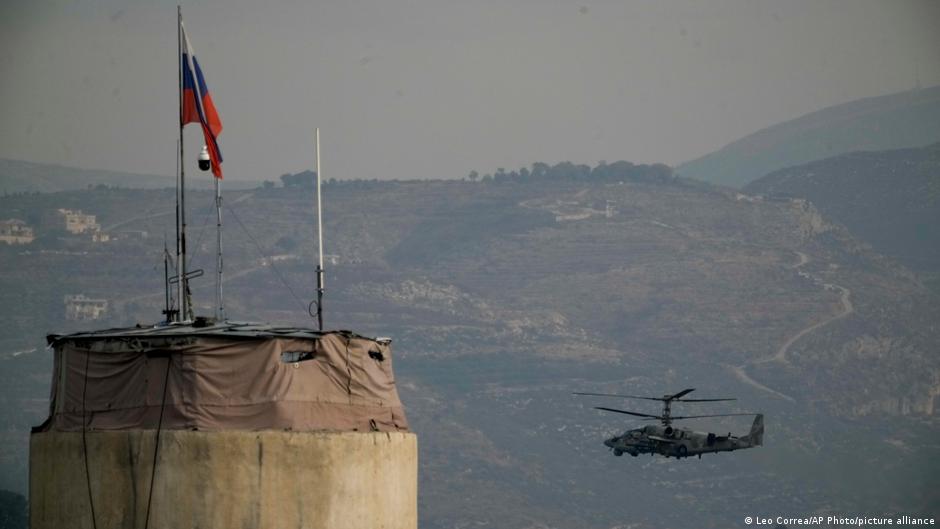























Ukrainian Drone Incursion in Bulgaria Raises Security Concerns
After a Ukrainian decoy drone exploded in a Bulgarian field, Sofia summoned Kyiv's ambassador, raising concerns over unauthorized airspace incursions.

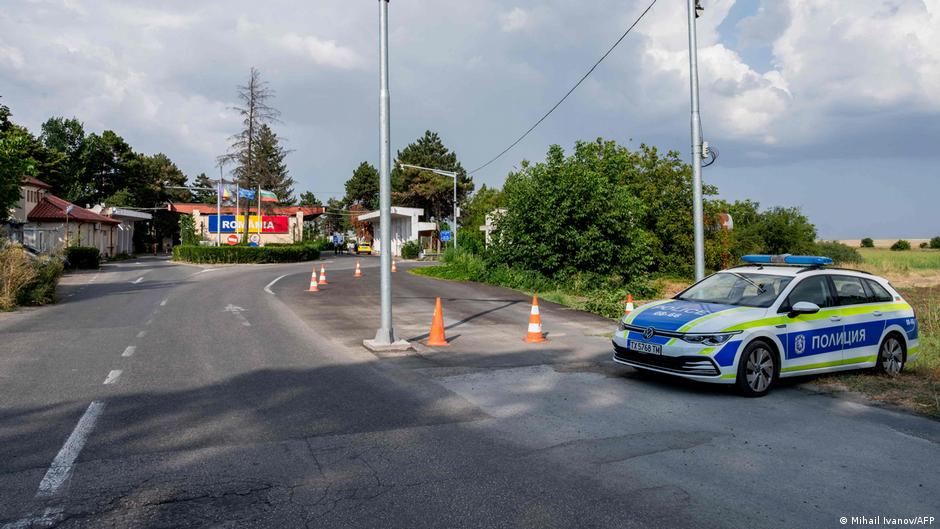
A Ukrainian decoy drone crashed and exploded in a Bulgarian sunflower field near the Romanian border on Saturday morning, marking the first such incident on Bulgarian soil since the outbreak of the war in Ukraine. The unmanned aircraft came down near the northeastern village of Kardam, triggering an immediate security response and raising diplomatic tensions between Sofia and Kyiv. Although the blast caused no casualties or major property damage, the unauthorized airspace penetration highlights the growing spillover risks of the neighboring conflict.
The aircraft is identified as a Ukrainian-made Maya decoy drone, a model designed to confuse enemy air defense systems rather than deliver offensive strikes. Local patrols heard the detonation at 8:10 a.m. near a border checkpoint, prompting military and police forces to quickly seal off the agricultural area. While initial political statements suggested the device carried a substantial explosive payload, field assessments reveal a much milder reality, with the explosion failing to even leave a crater and causing only minimal damage to the surrounding crops. The crash site sits just one kilometer from a vital compressor station on the Trans-Balkan gas pipeline, sparking initial fears regarding the safety of regional energy infrastructure.
This incident represents the first time a drone has detonated inside Bulgaria since Russia launched its full-scale invasion of Ukraine in 2022. Neighboring Romania has repeatedly dealt with similar airspace violations and debris falls, prompting Bulgaria to recently bolster its own aerial defenses in the northeastern border regions. Despite the clear breach of sovereignty, officials from both nations confirm the crash was entirely accidental. Nevertheless, the political fallout is swift, with Bulgarian diplomats summoning the Ukrainian ambassador to deliver a firm warning that unauthorized flights are unacceptable, while Kyiv pledges full cooperation to investigate the flight path.
The failure of national and NATO radar networks to detect the low-flying drone exposes critical vulnerabilities in regional airspace monitoring. Standard defense systems struggle to track small, low-altitude targets that easily slip beneath radar coverage. Defense leaders acknowledge that current capabilities are inadequate to counter these modern, low-profile aerial threats. To address these gaps, plans are underway to urgently acquire up to ten specialized anti-drone and electronic warfare systems utilizing European Union funding mechanisms, alongside accelerated procurement of advanced radar technology.
This border breach serves as a stark wake-up call for Bulgaria, exposing a severe lag in adapting to modern warfare tactics. Despite a raging drone conflict just across the Black Sea for over a year, concrete defensive upgrades have lagged. The incident underscores the vulnerability of critical energy infrastructure, such as the Trans-Balkan pipeline, which remains exposed to stray military hardware. It forces a rapid reassessment of national security priorities, shifting the focus from traditional heavy defense to agile, electronic, and low-altitude protection systems.
Looking ahead, Bulgaria faces a race against time to secure its skies as the war next door continues to evolve. While the planned acquisition of new electronic warfare units represents a step forward, defense officials admit these assets will not provide comprehensive coverage across the entire country. As low-cost drone technology dominates modern battlefields, Eastern European nations must rapidly modernize their detection grids. Sofia will likely deepen its security integration with NATO allies to establish a more resilient shield against future accidental incursions.
Originally reported by DW News
What's Your Reaction?
 Like
0
Like
0
 Dislike
0
Dislike
0
 Love
0
Love
0
 Funny
0
Funny
0
 Angry
0
Angry
0
 Sad
0
Sad
0
 Wow
0
Wow
0