














NASA LRO Captures Photos of SpaceX Rocket Moon Impact Crater
NASA's Lunar Reconnaissance Orbiter has captured stunning photos of the fresh impact crater left by a SpaceX Falcon 9 rocket stage on the moon.

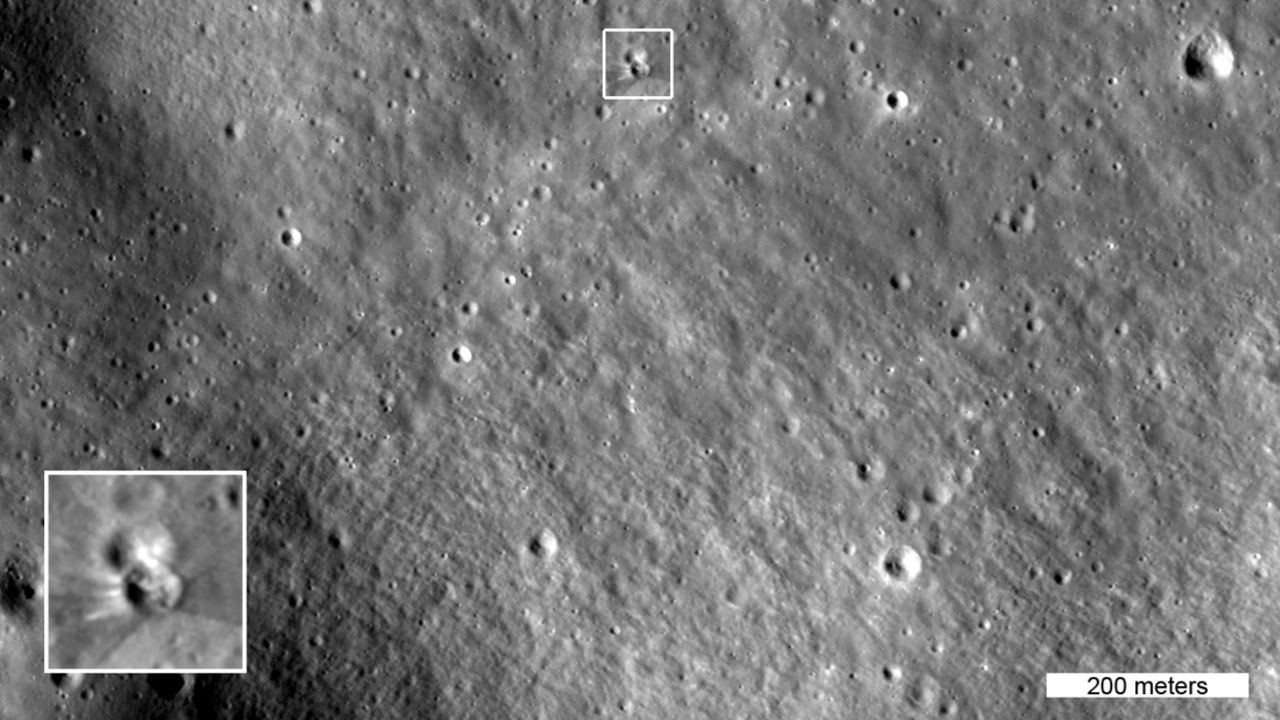
NASA's Lunar Reconnaissance Orbiter captures striking new images of a fresh impact crater on the Moon, created when a runaway SpaceX Falcon 9 rocket stage slammed into the lunar surface. The high-speed collision occurred on August 5 near Einstein Crater, sending the discarded booster crashing into the ground at approximately 5,400 miles per hour. Just days later, on August 11 and 12, the veteran spacecraft maneuvered into position to document the aftermath of this dramatic cosmic event, revealing a distinct scar on the lunar landscape.
The newly formed crater measures roughly 60 feet wide and reaches a depth of less than 10 feet. To capture these detailed views, mission operators tilted the orbiter as it passed 60 miles above the target zone every 117 minutes, allowing cameras to photograph the site from multiple angles and under varying lighting conditions. The resulting imagery reveals a prominent V-shaped pattern of debris on the south side of the crater, alongside a network of bright and dark rays radiating outward. The dark streaks consist of older, space-weathered surface dust excavated by the impact, while the brighter lines represent fresh, untouched material thrown up from deeper underground.
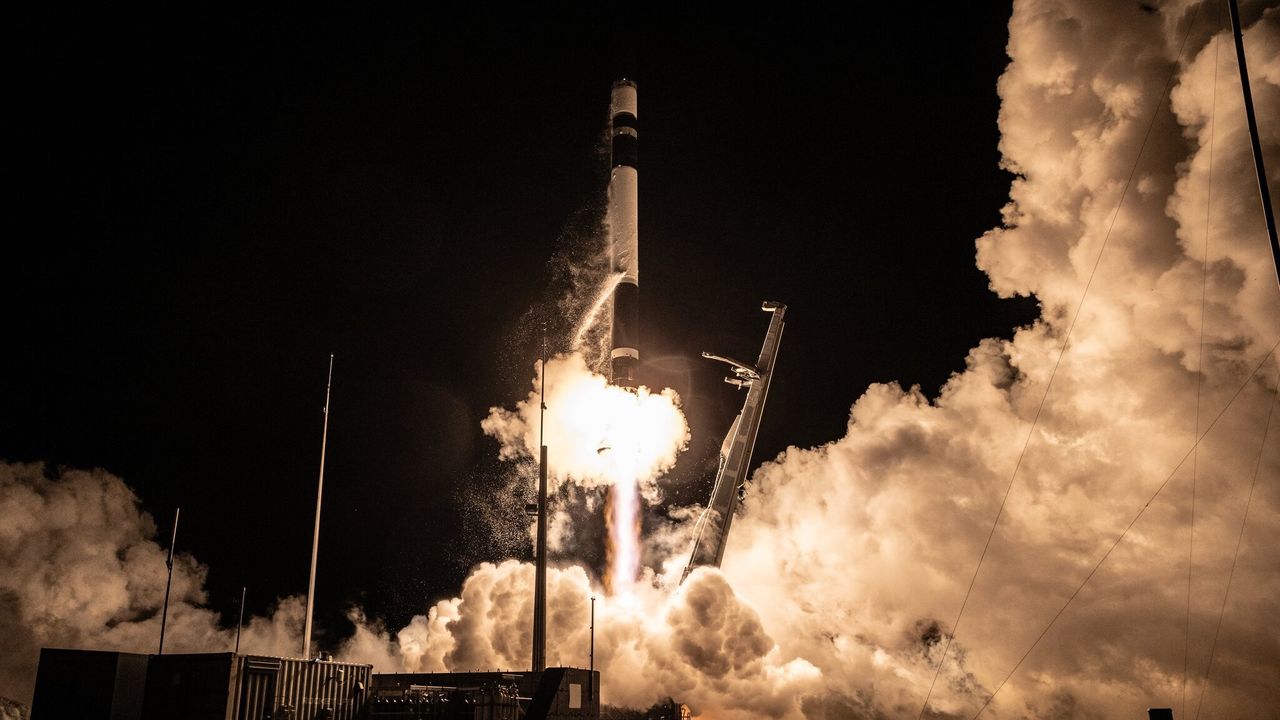
This metallic impactor spent more than a year and a half drifting through deep space before its final descent. The Falcon 9 upper stage originally launched on January 15, 2025, carrying two commercial robotic landers destined for the lunar surface. While one of the landers successfully touched down to conduct scientific operations, the companion lander built by a private Japanese firm unfortunately crashed during its landing attempt. Left behind in a chaotic orbit, the booster eventually succumbed to gravity and charted its own destructive course to the Moon.
Locating the crash site required international coordination. South Korea’s Danuri spacecraft first spotted the fresh impact scar using its high-resolution camera and immediately shared the coordinates with the American orbital team to optimize their imaging passes. Analysis of the debris pattern indicates the rocket struck at a very low angle relative to the surface, mimicking the physics of natural meteorite impacts. One of the final images, taken at a steep 68-degree angle, offers a perspective highly reminiscent of what future astronauts will see when looking out the window of an Orion spacecraft toward the lunar horizon.
This event provides scientists with a rare, controlled experiment to study how craters form and how materials behave during high-velocity impacts. Because researchers know the exact mass, speed, and composition of the impacting rocket, they can calibrate their models of lunar geology with unprecedented accuracy. Furthermore, the excavation of subsurface soil offers a direct look at the composition of the lunar crust beneath the weathered top layer, which has been bombarded by solar winds and cosmic rays for billions of years.
As human activity on and around the Moon accelerates with the upcoming Artemis missions, tracking and managing space debris is becoming an increasingly critical priority. This collision serves as a stark reminder of the growing orbital traffic in the Earth-Moon system. Lessons learned from analyzing this impact will not only advance lunar science but will also help mission planners design safer trajectories and better manage discarded hardware as humanity establishes a permanent presence on the next frontier.
Originally reported by Space.com
What's Your Reaction?
 Like
0
Like
0
 Dislike
0
Dislike
0
 Love
0
Love
0
 Funny
0
Funny
0
 Angry
0
Angry
0
 Sad
0
Sad
0
 Wow
0
Wow
0