


.jpg)













Iran Warns Neighbors as Drone Attacks Strike Kuwaiti Facilities
Kuwait responds to Iranian drone attacks while Houthi forces blockade Saudi oil tankers, forcing them around Africa amid escalating Middle East tensions.


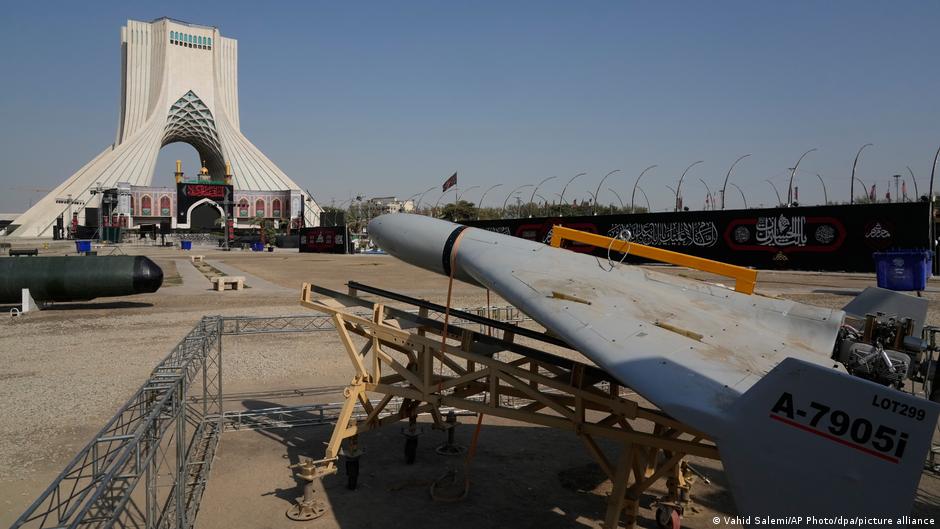
Military forces in Kuwait are actively responding to a fresh wave of Iranian drone strikes targeting critical infrastructure, while multiple commercial vessels face attacks in the strategic Strait of Hormuz. The coordinated strikes on Saturday, August 1, 2026, hit several vital facilities in northern Kuwait, raising regional alarms. Simultaneously, maritime security agencies report projectile strikes and nearby explosions targeting tankers navigating the crucial shipping lanes of the Persian Gulf. This rapid escalation coincides with a newly declared naval blockade by Yemen's Houthi rebels, who are forcing Saudi energy exports to reroute around Africa.
The drone strikes in Kuwait specifically targeted a government installation in the northern region, though emergency services report no casualties from the blasts. At sea, the violence has directly disrupted commercial shipping. On Friday, an unidentified projectile struck a tanker northeast of Lima, Oman, causing significant damage to its engine room. Just one day later, another merchant vessel reported a massive explosion and water splash nearby while sailing northwest of Khasab. Meanwhile, Houthi militants claim that their newly enforced blockade has already forced eight Saudi oil tankers to abandon their standard routes to Asia, forcing them onto a lengthy detour around the Cape of Good Hope.
These hostile actions stem from the ongoing conflict between Iran and the United States, during which Tehran has repeatedly targeted vessels attempting to traverse the Strait of Hormuz. The situation is further complicated by the long-running civil war in Yemen. The Iran-backed Houthi movement, which seized the Yemeni capital of Sanaa in 2014, frames its current maritime blockade as direct retaliation for years of military and economic pressure from a Saudi-led coalition. By targeting Saudi energy exports, the rebels aim to disrupt Riyadh's economic lifeline while asserting control over adjacent waters.
Adding to the volatility, Iranian military commanders are warning neighboring countries against assisting United States forces. Tehran accuses Washington of rapidly escalating regional tensions and threatens that any nation acting as a defensive shield for American operations will face devastating retaliation. This warning follows renewed threats from US President Donald Trump to launch strikes against Iranian targets. Amidst these geopolitical threats, Houthi leaders insist they do not intend to levy transit fees on ships passing through the Bab al-Mandab Strait, though their aggressive posturing keeps global maritime operators on high alert.
The dual threats to the Strait of Hormuz and the Bab al-Mandab Strait pose a severe danger to the global economy. These narrow waterways serve as the primary conduits linking the oil-rich Gulf and the Red Sea to international markets. Forcing tankers to bypass these routes in favor of the Cape of Good Hope adds thousands of miles to journeys, drastically increasing shipping costs, insurance premiums, and transit times. With both choke points compromised, global energy supply chains face unprecedented pressure, threatening to spike fuel prices worldwide and disrupt international trade.
Looking ahead, the risk of a wider regional war remains exceptionally high as diplomatic avenues appear closed. If Iran continues its drone campaign and the Houthis maintain their blockade, Western allies and regional partners may feel compelled to initiate direct military interventions to secure international waters. The coming days will likely determine whether international pressure can de-escalate the crisis or if the Middle East will slide into an open, multi-front conflict that fundamentally redraws the global security landscape.
Originally reported by DW News
What's Your Reaction?
 Like
0
Like
0
 Dislike
0
Dislike
0
 Love
0
Love
0
 Funny
0
Funny
0
 Angry
0
Angry
0
 Sad
0
Sad
0
 Wow
0
Wow
0