












How an Ancient Galactic Collision Shaped the Milky Way Galaxy
Hubble Space Telescope data reveals an ancient collision 11.8 billion years ago between the Milky Way and a dwarf galaxy named LKH, shaping our galaxy.

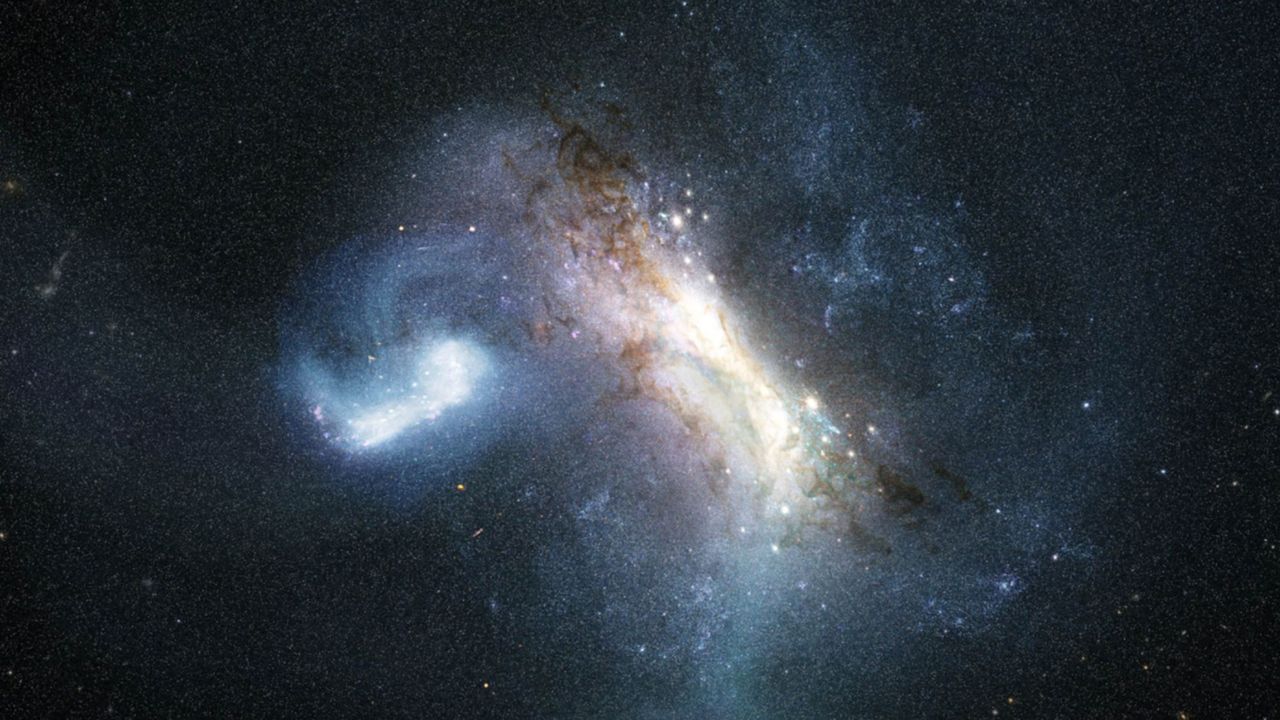
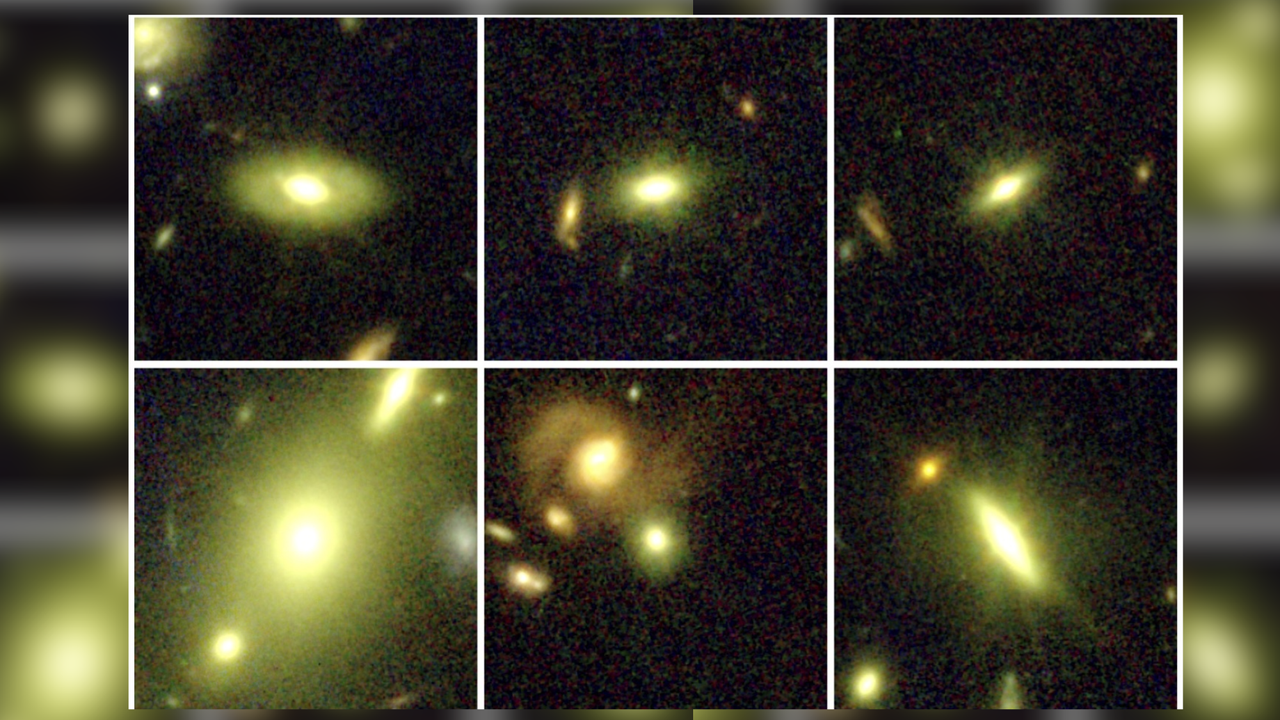
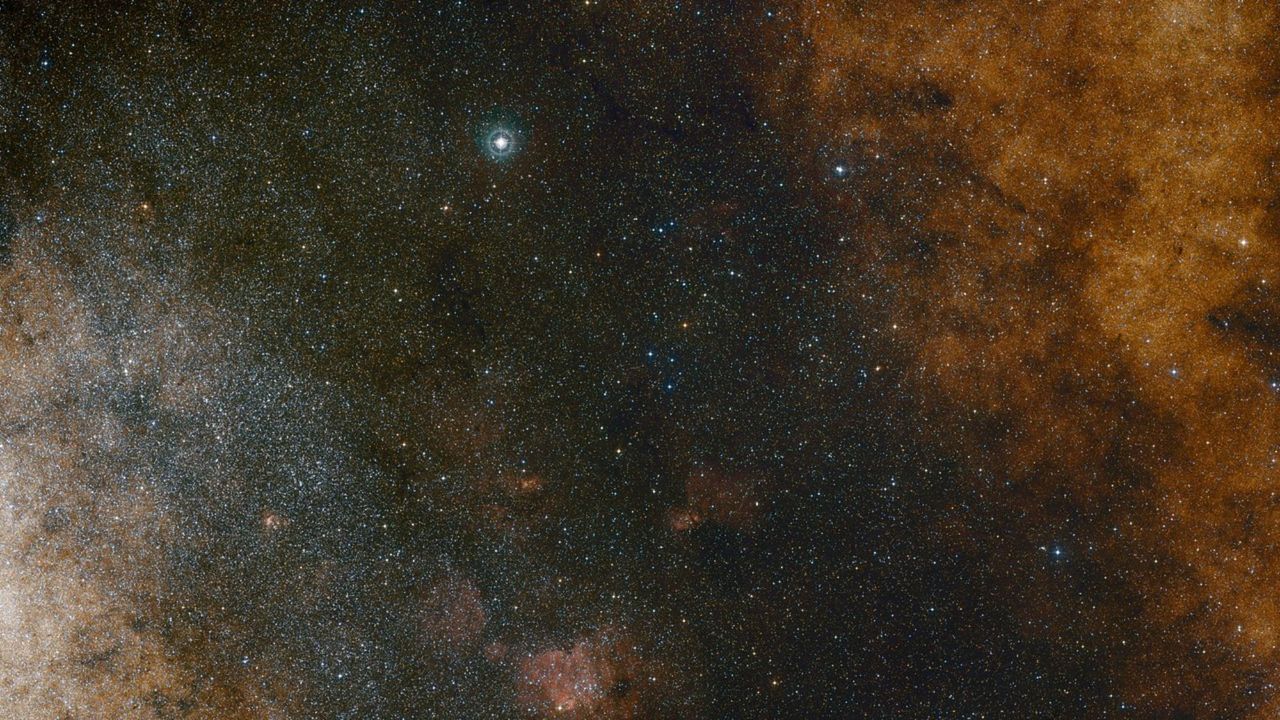
The Hubble Space Telescope uncovers evidence of a massive galactic collision 11.8 billion years ago, where the infant Milky Way devoured a dwarf galaxy. This ancient merger represents one of the earliest construction phases of our home galaxy. The newly identified cosmic victim, dubbed LKH, merged with the Milky Way during a formative epoch just two billion years after the Big Bang. This discovery reshapes our understanding of how the galaxy grew from a sparse collection of stars into the massive spiral structure we inhabit today.
Researchers identify this ancient collision by analyzing a distinct group of globular star clusters that do not match native Milky Way stars. By combining high-resolution imagery from Hubble with precise orbital data from the Gaia space observatory, scientists isolate these stellar clusters based on their unique ages and heavy-element compositions. This forensic work reveals that the LKH dwarf galaxy possessed a total mass roughly 500 million times that of our sun. While this size appears modest today, it represented a massive influx of stars, gas, and dark matter for the young, developing Milky Way.
Galactic mergers serve as the primary mechanism for galactic growth across the universe. Reconstructing the evolutionary history of our own galaxy requires meticulous detective work from the inside out. Prior to this discovery, scientists mapped another major collision known as the Gaia-Sausage-Enceladus merger, which occurred approximately 10 billion years ago and left behind its own distinct family of star clusters. Currently, the Milky Way continues this predatory behavior by slowly cannibalizing the nearby Sagittarius Dwarf galaxy, demonstrating a continuous cycle of consumption spanning billions of years.
Astrophysicists compare these stellar clusters to foundational bricks, noting that identifying their origins allows researchers to trace the very materials that built the Milky Way. Analyzing the abundance of elements heavier than hydrogen and helium provides a reliable timestamp for when these stars formed. Because younger generations of stars contain higher concentrations of complex elements like carbon and iron, measuring these chemical fingerprints allows researchers to distinguish immigrant star clusters from those born locally, effectively mapping the family tree of our galactic neighborhood.
This breakthrough provides the earliest evidence yet of a major merger in the Milky Way's history, offering a rare glimpse into the chaotic environment of the early universe. By proving that a significant portion of our galaxy's inner halo consists of captured foreign stars, the discovery challenges previous assumptions about the gradual, isolated growth of the Milky Way. It confirms that our galaxy was forged through violent, transformative mergers that fundamentally altered its structure, mass, and rotational dynamics during its infancy.
Looking ahead, astronomers plan to utilize next-generation space telescopes to search for even older stellar remnants buried deep within the galactic core. As observational technology advances, researchers expect to uncover additional micro-mergers that occurred during the first billion years of cosmic time. These future discoveries
Originally reported by Space.com
What's Your Reaction?
 Like
0
Like
0
 Dislike
0
Dislike
0
 Love
0
Love
0
 Funny
0
Funny
0
 Angry
0
Angry
0
 Sad
0
Sad
0
 Wow
0
Wow
0