


















UK to Witness Most Spectacular Solar Eclipse in 11 Years
Prepare for the UK's most spectacular partial solar eclipse in 11 years on August 12, 2026. Discover where to watch and how to view it safely.

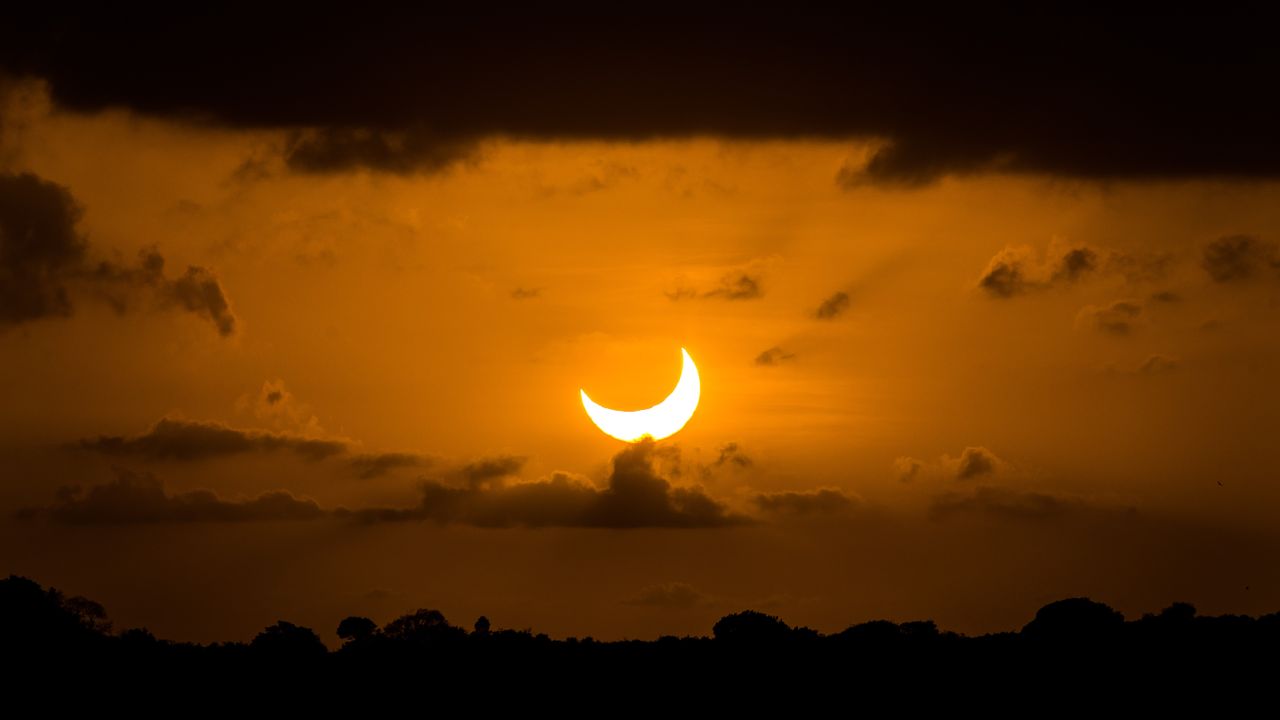
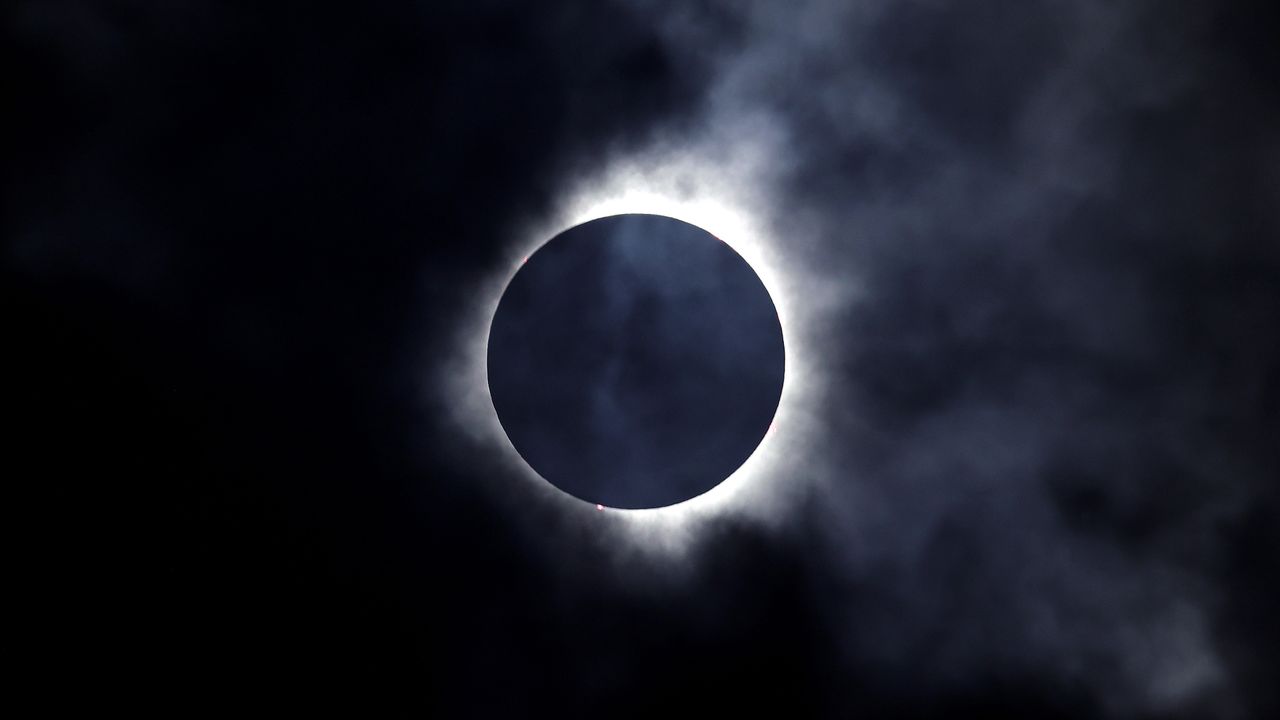
Skywatchers across the United Kingdom and Ireland are preparing for a spectacular celestial event on August 12, 2026, as a deep partial solar eclipse sweeps across the region. While the path of total darkness narrowly misses the British Isles, millions of residents will witness the sun transform into a dramatic, glowing crescent during the early evening hours. The astronomical phenomenon begins just before 6:00 p.m. BST, reaching its stunning peak between 7:05 p.m. and 7:13 p.m. BST before concluding shortly after 8:00 p.m. BST. This nationwide event offers a rare opportunity for urban dwellers and rural observers alike to experience a dramatic cosmic alignment right from their doorsteps.
The degree of solar coverage varies slightly by location, but the visual impact remains impressive everywhere. Major cities like London, Manchester, and Glasgow will experience a substantial 91.4 percent coverage of the sun. Observers in Belfast will see 93.1 percent coverage, while Cardiff leads the capital cities with 93.2 percent. The absolute maximum blockage in the British Isles occurs off the coast of County Kerry, Ireland, where the historic island of Great Skellig witnesses a staggering 98 percent partial eclipse. Because the event occurs late in the day, the sun will hang low on the west-northwest horizon, appearing as a sharp, downward-pointing crescent resembling a curved blade in the evening sky.
This event marks the most significant solar eclipse in the region since March 2015, when another near-miss path of totality bypassed the British Isles to the north. On average, any single location on Earth experiences a total solar eclipse only once every 366 years, leaving British skywatchers in a prolonged waiting period. The path of totality for the 2026 eclipse cruises across the Atlantic Ocean, stretching from Iceland down to northern Spain, tantalizingly close but just out of reach for mainland Britain. Enthusiasts eager to stand in the shadow of complete darkness must travel abroad, while those staying behind will still enjoy a profound celestial show.
Safety remains the paramount concern for anyone planning to view this partial eclipse, as looking directly at the sun without specialized protection causes permanent eye damage. Standard sunglasses do not offer sufficient protection, making certified solar eclipse glasses or dedicated filters essential for safe viewing throughout the entire duration of the event. Experts advise observers to scout locations early to secure a completely unobstructed view of the low horizon. Popular national parks, including Snowdonia and the Lake District in England and Wales, as well as the Cairngorms and the Isle of Skye in Scotland, expect large crowds of photographers and nature enthusiasts seeking elevated vantage points.
Although a partial eclipse does not plunge the landscape into the eerie, pitch-black darkness of totality, the sheer scale of this event will create a noticeable atmospheric shift. As the moon blocks more than nine-tenths of the solar disk, daylight will take on a subdued, metallic quality, casting strange shadows and causing a perceptible drop in temperature. Because the high level of obscuration is visible across the entire country, the event serves as a unifying scientific moment that requires no expensive travel. It democratizes astronomy, allowing millions of people to engage with the cosmos from their own backyards, parks, and balconies.
Looking ahead, the wait for a total solar eclipse on British soil remains agonizingly long, with the next mainland totality not scheduled until September 23, 2090. On that autumn day, the path of total darkness will finally sweep across England's south coast, from Cornwall to Sussex, ending a nearly century-long drought. Until that historic moment arrives, the deep partial eclipse of 2026 stands as the premier astronomical event of the decade for the region. It offers a powerful reminder of our place in the solar system and provides a generation of skywatchers with a memorable spectacle that will be talked about for years to come.
Originally reported by Space.com
What's Your Reaction?
 Like
0
Like
0
 Dislike
0
Dislike
0
 Love
0
Love
0
 Funny
0
Funny
0
 Angry
0
Angry
0
 Sad
0
Sad
0
 Wow
0
Wow
0