

















Why You Don't Need Clear Skies for the Aug 12 Total Solar Eclipse
Preparing for the August 12 total solar eclipse? Don't let cloud cover ruin your plans. Learn why cloudy skies can still offer an amazing eclipse experience.

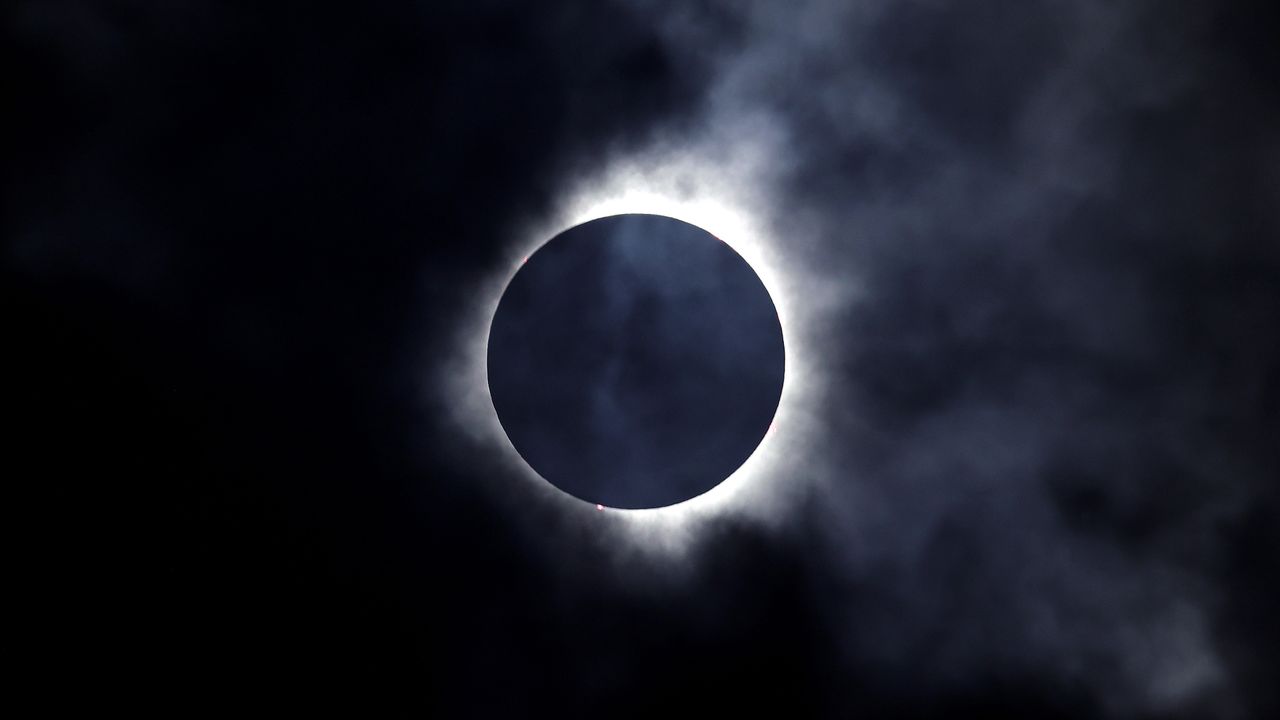
Millions of skywatchers around the globe are preparing for a spectacular celestial event on Wednesday, August 12, 2026, as a total solar eclipse sweeps across the Northern Hemisphere. The highly anticipated path of totality will journey through eastern Greenland, western Iceland, and northern Spain, offering onlookers a rare chance to witness the moon completely block the sun. Meanwhile, observers in eastern Canada, the northeastern United States, and large portions of Europe will experience a stunning partial eclipse. This major astronomical event is already mobilizing a global community of travelers and scientists eager to position themselves directly beneath the moon's shadow.
Within the narrow corridor of totality, the daytime sky will plunge into darkness for a maximum duration of two minutes and eighteen seconds. To catch this fleeting phenomenon, eclipse chasers are meticulously planning their journeys, studying historical climate data, and booking travel to optimal viewing locations. However, as the date approaches, the excitement inevitably mixes with anxiety over local weather conditions. Enthusiasts find themselves locked in a tense ritual of constantly refreshing meteorological apps, analyzing real-time satellite imagery, and searching for any sign of clear blue skies.
This obsession with perfect weather stems from the unpredictable nature of Earth's atmosphere, which rarely conforms to historical averages. During the recent total solar eclipse on April 8, 2024, many travelers who flocked to Texas expecting clear southern skies faced heavy cloud cover, while historically overcast regions in Maine and New Brunswick enjoyed pristine, bluebird conditions. This stark contrast serves as a reminder that years of scientific research and careful planning cannot guarantee a cloudless sky on the day of the event. The whims of local weather patterns remain the ultimate wild card for astronomical tourism.
Experienced observers suggest a shift in perspective, arguing that a completely clear sky is not a prerequisite for a meaningful experience. In fact, passing clouds often introduce a sense of high drama and unique photographic opportunities that a blank sky cannot replicate. A brief, sudden opening in the cloud deck that reveals the sun's glowing corona can feel far more rewarding than an unobstructed view. Experts also warn against the common pitfall of hiding behind a camera lens during these precious moments, urging people to experience the raw beauty of the alignment with their own eyes.
This philosophical approach redefines what constitutes a successful eclipse viewing. Instead of ranking these events solely by the duration of totality or the perfection of the horizon, spectators learn to embrace the unpredictability of nature. Accepting that weather is beyond human control reduces the anxiety that often dampens the spirit of the chase. Whether witnessing a dramatic partial crescent peek through the mist or experiencing the sudden, eerie drop in temperature beneath heavy overcast, the event leaves a profound impact on all who stand in the shadow.
Looking ahead to the August 12 spectacle, the key to a memorable experience lies in preparation balanced with flexibility. While chasing clear skies remains a sensible strategy, travelers must ultimately surrender to the elements once the moon begins its transit. Staying fully present during those crucial minutes of alignment ensures that distraction does not steal the experience away. Ultimately, even a single second of exposure to this cosmic dance is enough to create a lifelong memory, reminding humanity of its small place in a dynamic universe.
Originally reported by Space.com
What's Your Reaction?
 Like
0
Like
0
 Dislike
0
Dislike
0
 Love
0
Love
0
 Funny
0
Funny
0
 Angry
0
Angry
0
 Sad
0
Sad
0
 Wow
0
Wow
0