





















Flesh-Eating Screwworm Outbreak in Mexico Tops 500 Human Cases
Mexico faces a rising crisis as the flesh-eating New World screwworm fly infects over 500 humans, causing severe injuries and at least six deaths.

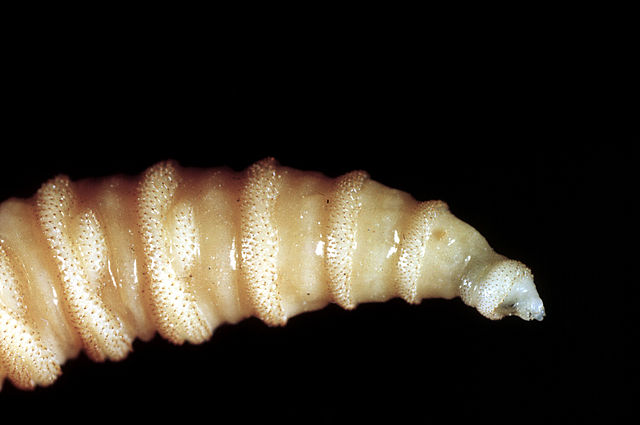
A dangerous resurgence of flesh-eating screwworm flies in Mexico is triggering a surge in human infections, with more than 500 cases and at least six deaths reported between 2025 and 2026. The parasite, which feeds aggressively on living tissue, is spreading at an accelerating pace across the country after reinvading the region in 2024. This sudden comeback of the New World screwworm marks a critical public health emergency, as the insect targets both humans and livestock with devastating speed.
Recent data tracking over 200 confirmed human cases between April 2025 and March 2026 reveals that the rate of infestation is rising rapidly. Weekly cases jumped from an average of three to more than nine within a single year. The majority of those infected are older males, with an average age of 61, and nearly 77 percent of victims suffer from pre-existing health conditions like diabetes. Beyond the human toll, the agricultural impact is staggering, with animal infections surpassing 36,000 cases, leaving thousands of livestock actively infested.
This crisis follows decades of successful eradication efforts that once cleared the parasite from North and Central America. Historically, authorities eliminated the pest by releasing billions of sterile male flies into the wild, a biological control method that exploits the fact that female screwworms only mate once. Mexico declared itself free of the pest in 2003, while Panama established a strict biological barrier in 2006 to prevent northern migration from South America. However, a breach of this barrier in 2022 paved the way for the insect's aggressive march back into Mexican territory.
Biological assessments of the parasite highlight its uniquely destructive lifecycle. The female fly seeks out open wounds, mucous membranes, or minor skin irritations on warm-blooded hosts to deposit hundreds of eggs. Within twenty-four hours, the eggs hatch into ravenous maggots that burrow deep into the victim's living flesh to feed. This rapid feeding process creates expanding, agonizing wounds that can quickly destroy muscle, cartilage, and even bone if left untreated.
The human manifestation of this infestation, known medically as myiasis, presents severe physical and psychological trauma. If the burrowing maggots are not extracted quickly, patients face extreme risks of secondary bacterial infections, tissue necrosis, and life-threatening sepsis. In the most severe cases, the larvae can penetrate deep enough to compromise the skull, leading to permanent disfigurement or death. The rapid spread also threatens the agricultural economy, forcing ranchers to implement costly surveillance and treatment protocols to protect their herds.
Containing this biological threat requires an immediate, coordinated response to re-establish containment zones and ramp up sterile fly releases. Public health campaigns must also educate vulnerable populations, particularly in rural areas, on wound hygiene and early detection strategies. Without decisive intervention to halt the parasite's northern advance, the infestation threatens to push past current boundaries, putting neighboring countries and broader livestock industries at immediate risk of a full-scale outbreak.
Originally reported by Ars Technica
What's Your Reaction?
 Like
0
Like
0
 Dislike
0
Dislike
0
 Love
0
Love
0
 Funny
0
Funny
0
 Angry
0
Angry
0
 Sad
0
Sad
0
 Wow
0
Wow
0