


















Why You Don't Need Clear Skies for the Total Solar Eclipse
Preparing for the August 12 total solar eclipse? Don't let cloud forecasts ruin your plans. Learn why cloudy skies can still offer an amazing experience.

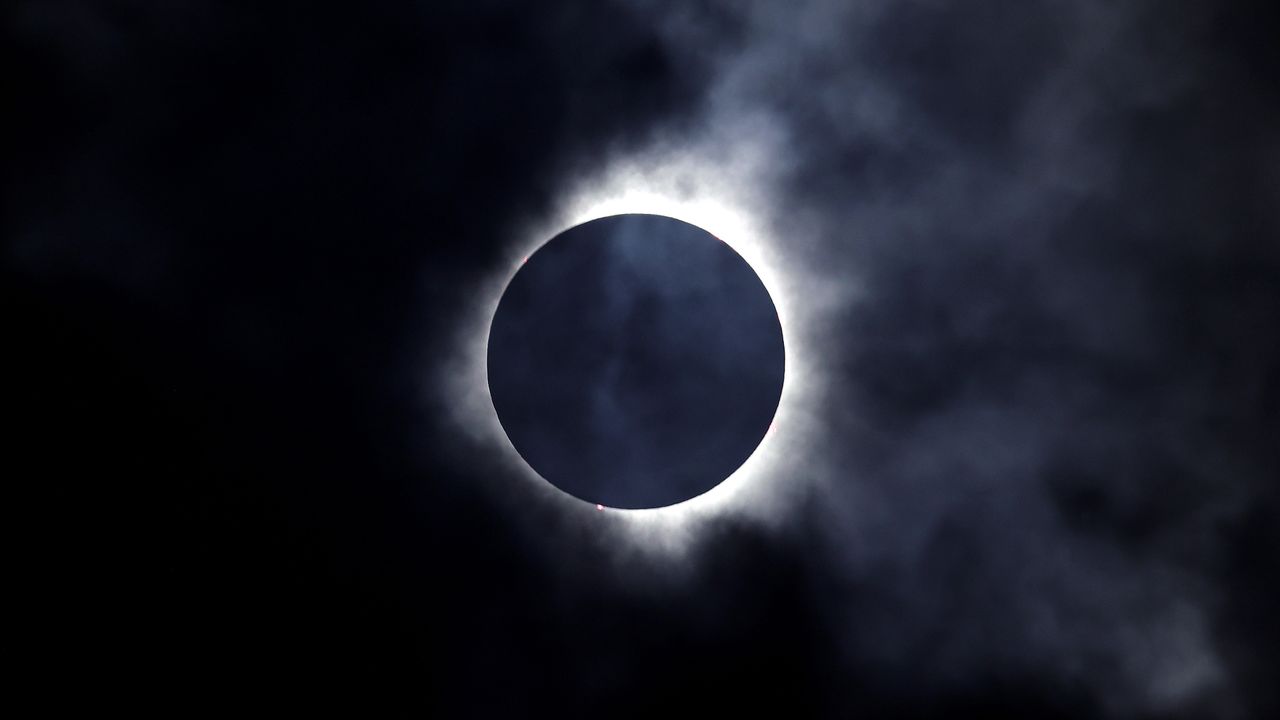
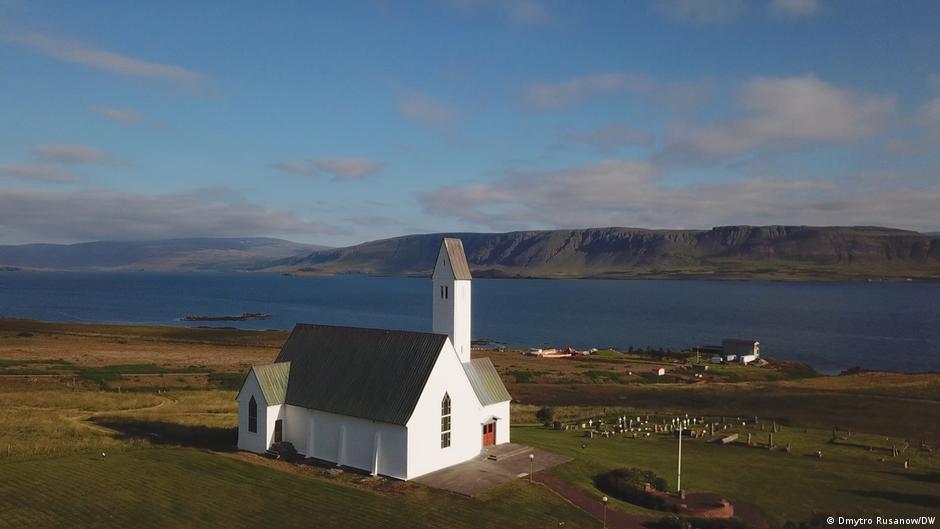
Millions of skywatchers prepare for a spectacular celestial event on Wednesday, August 12, 2026, as a total solar eclipse sweeps across the Northern Hemisphere. The highly anticipated path of totality, where the moon completely blocks the sun, stretches from eastern Greenland and western Iceland down through northern Spain and a sliver of Portugal. Observers outside this narrow corridor, including those in eastern Canada, the northeastern United States, and western Europe, will witness a dramatic partial eclipse. As the date approaches, excitement builds for a rare alignment that promises to plunge parts of the afternoon world into temporary darkness.
Within the path of totality, onlookers will experience up to two minutes and eighteen seconds of complete solar obscuration. This brief window triggers a frenzy of preparation, with enthusiasts meticulously tracking satellite imagery and meteorological models in a desperate bid to avoid cloud cover. The anxiety surrounding local weather forecasts often dominates the days leading up to the event, as travelers plot last-minute driving routes to escape potential overcast skies. This frantic scramble highlights the unpredictable nature of astronomical viewing, where years of planning can hinge on a single day's atmospheric conditions.
History shows that weather predictions for these events are notoriously unreliable, often defying historical climate data. During the major total solar eclipse on April 8, 2024, regions expected to have clear skies, such as Texas, suffered from heavy cloud cover, while historically overcast areas like Maine and New Brunswick enjoyed pristine, bluebird conditions. This stark contrast serves as a reminder that climatological averages do not guarantee real-time results. Despite extensive research and strategic positioning, eclipse chasers ultimately remain at the mercy of localized, fast-changing weather patterns.
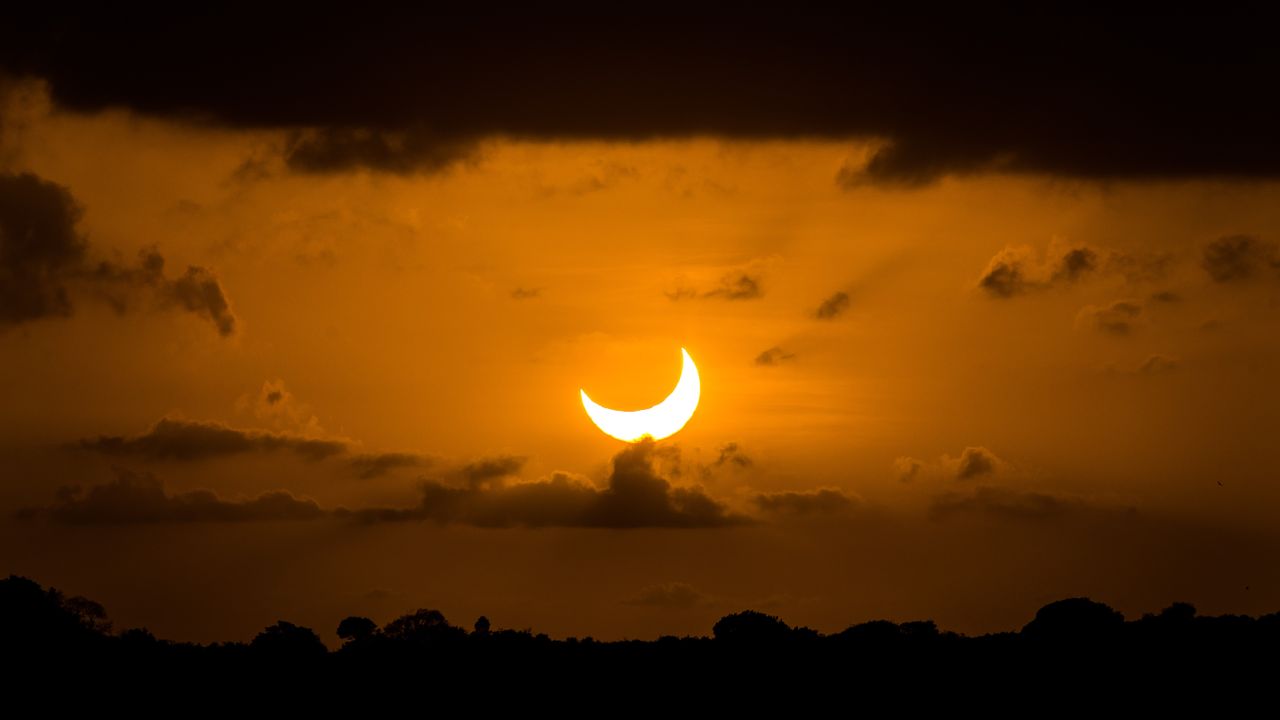
Experienced observers suggest a shift in mindset, arguing that perfect, cloudless skies are not a prerequisite for a successful viewing. Meteorological drama can actually enhance the visual spectacle, as fast-moving clouds create striking contrast and unique photographic opportunities when the sun's corona peeks through. A single second of exposure through a parting cloud layer offers a breathtaking, high-contrast view that can feel even more rewarding than a static, clear-sky observation. Rather than viewing clouds as a failure of planning, veterans encourage novices to embrace the atmospheric theater as part of the natural experience.
The obsession with capturing the perfect image often detracts from the raw emotional impact of the event itself. Many spectators spend the precious minutes of totality fussing with camera equipment and smartphones, missing the profound environmental changes occurring around them. As the shadow sweeps over, temperatures drop, winds shift, and wildlife falls silent—sensory experiences that no photograph can fully capture. Prioritizing presence over perfection allows observers to connect deeply with the cosmic scale of the event, regardless of whether the sky is perfectly clear.
As August 12 approaches, travelers are finalizing their itineraries to the viewing zones with a mix of anticipation and nervous energy. While checking the forecast remains a sensible precaution, acceptance of the elements is key to enjoying this rare alignment. Ultimately, the cosmos offers no guarantees, and the true value of the eclipse lies in the shared human experience of looking upward in awe. Whether under a cloudless sky or witnessing a fleeting glimpse through a misty shroud, those who gather along the path will participate in one of nature's most magnificent displays.
Originally reported by Space.com
What's Your Reaction?
 Like
0
Like
0
 Dislike
0
Dislike
0
 Love
0
Love
0
 Funny
0
Funny
0
 Angry
0
Angry
0
 Sad
0
Sad
0
 Wow
0
Wow
0