

















Meta Ordered to Pay $567 Million in New Mexico Child Safety Case
A New Mexico judge orders Meta to pay $567 million for child safety violations, ruling the social media giant acts as a harmful "public nuisance."

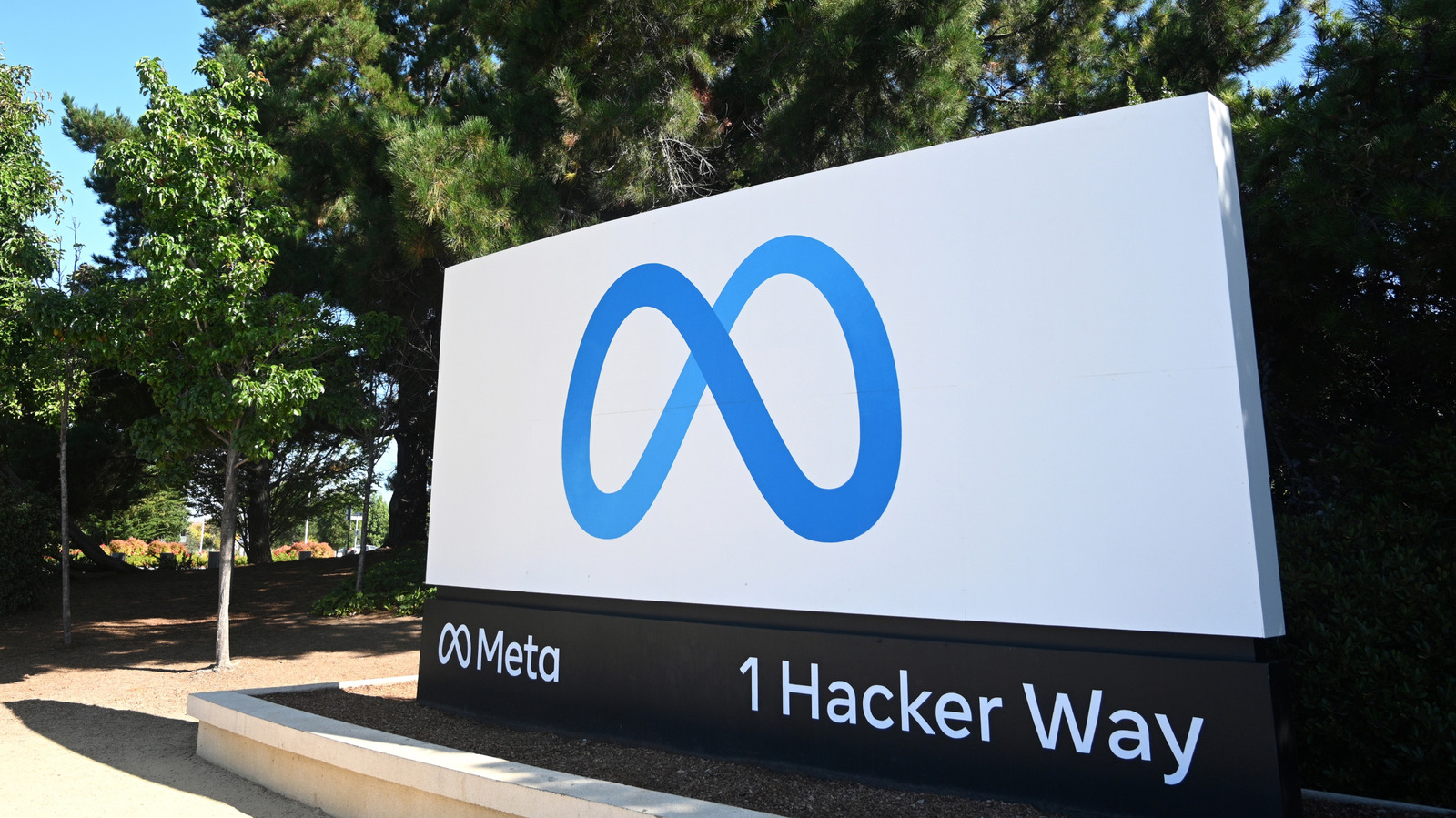
A New Mexico state court orders tech giant Meta to pay an additional $567 million into a public abatement fund after ruling that the company’s social media platforms constitute a public nuisance. This landmark decision follows a prior trial phase where a jury found the parent company of Facebook and Instagram liable for violating state consumer protection laws regarding child exploitation and safety. The massive financial penalty aims to address the widespread psychological harm and safety risks that the platforms impose on young users throughout the state.
Under the court’s strict mandate, the newly ordered funds will finance youth internet safety training for educators, school counselors, and healthcare professionals, alongside supporting community-based health centers. The ruling also forces Meta to implement sweeping safety overhauls on Facebook and Instagram, though WhatsApp remains exempt from these changes. For users under the age of 18, accounts must now default to private, and search visibility is restricted unless searched by an exact username. Furthermore, the platforms must block adults from messaging unconnected minors and pause push notifications during late-night hours and school days to prevent constant distraction.
The legal battle stems from a lawsuit accusing Meta of failing to protect children from online exploitation and mental health struggles. In March, a jury penalized the company $375 million for consumer protection violations, setting the stage for this second trial phase focused on the broader societal impact of social media. State prosecutors successfully argued that the design of these platforms actively exploits vulnerable youth for profit, creating a systemic crisis that extends far beyond the digital realm and drains public resources.
In a scathing written opinion, the presiding judge compares Meta’s digital platforms to physical factories that emit psychological pollution into the real world. He emphasizes that the resulting mental health crises and instances of exploitation do not remain contained online but spill over into local communities. In response to the heavy regulatory demands, Meta previously threatened to withdraw its services from New Mexico entirely, claiming the requirements are too burdensome to maintain. State legal officials quickly dismissed this threat as an empty public relations stunt designed to evade accountability.
This ruling represents a significant shift in how courts hold major technology companies accountable for the real-world consequences of their algorithms. By utilizing public nuisance laws—traditionally reserved for environmental hazards or public health crises—the court establishes a powerful precedent for other states seeking to regulate social media. The mandated safety features strip away Meta’s ability to target teens with addictive design elements, shifting the balance of power back to parents who must now give explicit consent before their children can bypass safety defaults.
Looking ahead, Meta is expected to appeal the massive financial penalties and the intrusive operational restrictions, setting up a protracted legal battle in higher courts. However, the outcome in New Mexico is likely to inspire similar litigation across the country, as numerous other states grapple with the youth mental health crisis. As the legal landscape evolves, tech companies face unprecedented pressure to fundamentally redesign their products or risk facing crippling financial liabilities and fractured domestic markets.
Originally reported by Engadget
What's Your Reaction?
 Like
0
Like
0
 Dislike
0
Dislike
0
 Love
0
Love
0
 Funny
0
Funny
0
 Angry
0
Angry
0
 Sad
0
Sad
0
 Wow
0
Wow
0