



















How to Get the Best Headphone Bass: Easy Audio Tweaks
Want better bass from your headphones? Learn how to optimize settings, get the perfect earbud seal, and improve sound quality without buying new gear.

Audio enthusiasts seeking richer sound can instantly upgrade their headphone bass performance today through simple, cost-free adjustments rather than purchasing expensive new gear. By optimizing physical seals and fine-tuning software equalizer settings, listeners unlock deep, punchy low-end frequencies on their existing devices. This DIY approach shifts the focus from merely increasing volume to achieving a balanced, high-quality acoustic experience. This practical optimization strategy works across various headphone brands and streaming platforms, proving that superior audio is often just a few taps away.
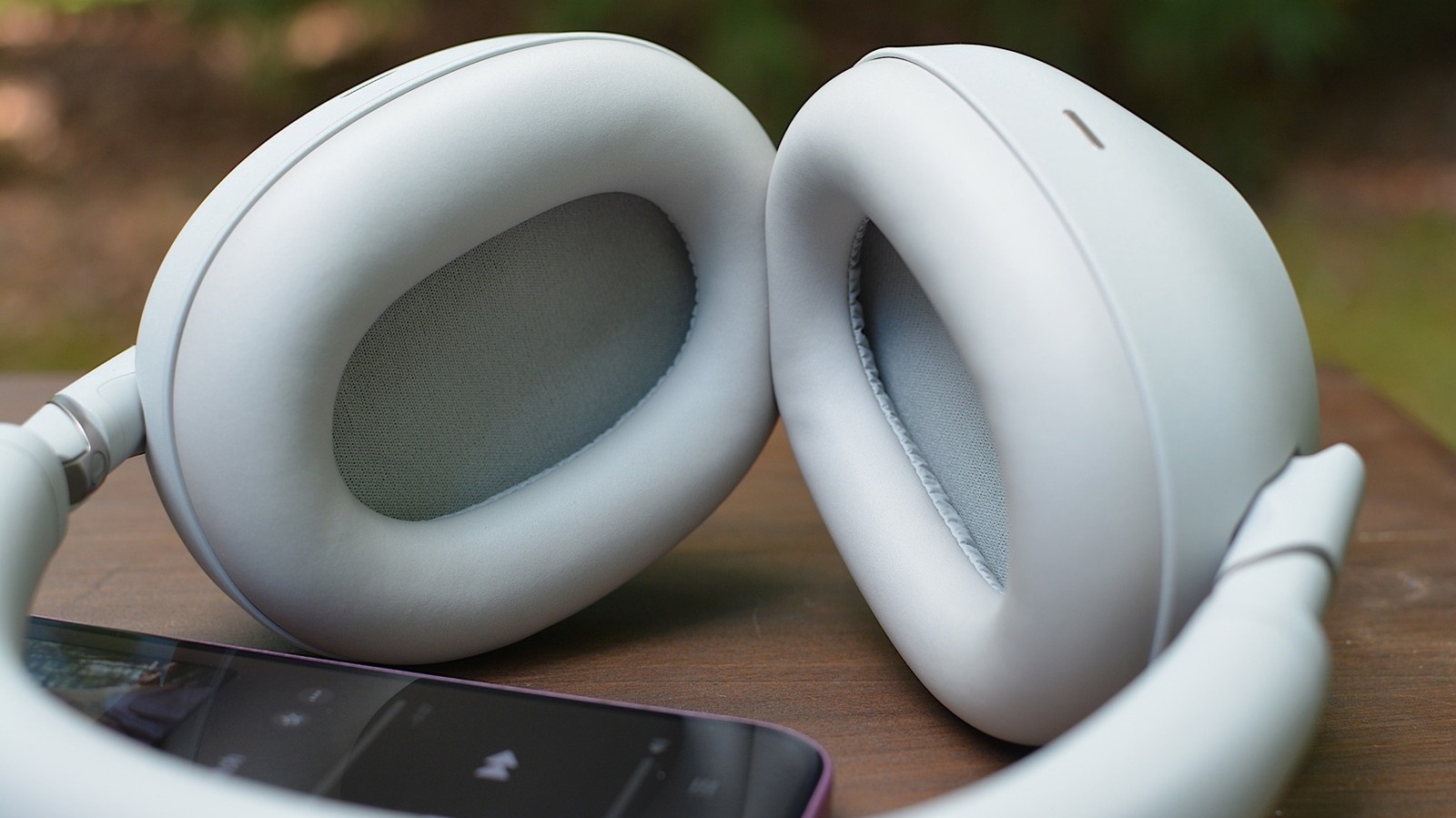
Achieving a perfect physical seal serves as the critical first step in this audio rescue, as any air gap immediately drains the bass. Closed-back headphones and snug-fitting earbuds provide the best foundation for low-end response, whereas open-back or open-fit models naturally let lower frequencies escape. Users can swap standard silicone ear tips for memory foam alternatives to create a tighter acoustic chamber, or utilize digital fit tests to verify the seal. For over-ear models, obstacles like thick glasses, long hair, or worn-out ear cushions can silently degrade sound quality by breaking the barrier around the ear.
On the software side, a common pitfall is "EQ stacking," where users accidentally layer multiple equalizer adjustments on top of each other. Activating bass-boosting features in both a headphone's companion app and a streaming service like Spotify or Apple Music creates muddy, distorted sound. To prevent this, listeners should disable all equalizers first, then make gradual adjustments in just one application. While Spotify and Apple Music offer built-in equalizer menus to customize sound curves, other platforms like YouTube Music and Tidal rely entirely on the host device's system-level audio settings.
Audio professionals advise against using generic "bass boost" buttons, which often bloat the sound and cause listener fatigue over time. Instead, the preferred method involves manipulating the actual equalizer curve to balance the frequency spectrum. By manually adjusting the low-end frequencies on the left side of the graph, users can enhance the kick drums and basslines without drowning out the vocals in the mid-range or the crisp details in the treble. This precise calibration ensures a clean, powerful output that preserves the integrity of the original recording.
This shift toward optimization highlights a growing consumer desire for sustainable, cost-effective tech habits. Instead of contributing to electronic waste by discarding perfectly functional headphones, consumers can achieve premium sound quality through education and minor adjustments. It democratizes high-fidelity audio, proving that listener satisfaction depends more on proper configuration than on the price tag of the hardware. Additionally, understanding these acoustic principles empowers users to get the absolute most out of their existing technology, saving money while elevating their daily listening experience.
Looking ahead, headphone manufacturers are increasingly integrating artificial intelligence and advanced sensors to automate these manual adjustments. Future audio gear will likely feature real-time acoustic calibration that automatically compensates for poor seals, glasses, or unique ear shapes. As personalized sound profiles become the industry standard, the line between budget and premium audio gear will continue to blur. Ultimately, the future of personal audio lies in smart software that adapts to the individual user, ensuring perfect bass response regardless of the environment.
Originally reported by Engadget
What's Your Reaction?
 Like
0
Like
0
 Dislike
0
Dislike
0
 Love
0
Love
0
 Funny
0
Funny
0
 Angry
0
Angry
0
 Sad
0
Sad
0
 Wow
0
Wow
0


.jpg)